THE DETAILS BRANDS
Learn what to share when selling GE electrical distribution equipment in Michigan and how an offer and freight may be arranged.
Start with the actual equipment
An owner with GE electrical distribution equipment in Michigan can request a buyer-only review of the assets actually available for sale. The manufacturer name is a starting point for identification, not a substitute for the equipment type, condition or contents of the lot. Complete records are helpful when they already exist, but they are not required to begin.
The name GE may be useful for identifying an item, but equipment type and individual markings still matter. A lot can contain one assembly, loose devices or equipment from several manufacturers. The name is used here only to identify equipment; it does not imply affiliation with or endorsement by the manufacturer.
Manufacturer and asset records
An existing inventory or exterior label may show a product line, model or rating. Keep those details with the item they identify instead of assigning them to the entire lot. If the lineup includes loose devices or components with different markings, describe each group separately where the information is already available.
Records gathered for ordinary asset management may be enough for an initial review. A description of the type, count and location, plus any known model or rating, helps define the lot. A missing document or unreadable marking can be identified as such without opening or operating equipment.
The sale situation
Use the manufacturer and model shown in existing records when available, and distinguish those details from ratings or equipment type. A missing identifier can simply be reported as unknown. It is not necessary to open an enclosure, operate a device or enter an unsafe area to identify the lot.
The person making the inquiry may be the owner or someone acting on the owner’s behalf. Clarifying who can authorize the sale and who controls site access gives both sides a practical starting point. The details can be worked out during review without asking the seller to arrange a removal crew.
Reviewing condition and value
The buyer can review equipment without a seller’s certificate of operation. Useful context may include known damage, whether the item was used or stored, and any missing parts. Do not guess at details that are unavailable: an accurate statement that condition is unknown is more useful than an unsupported assurance.
There is no reliable way to assign a universal price from equipment type, age or rating alone. The buyer reviews the described items along with the work and access needed for collection. An offer is subject to that review and to agreement on the purchase; the seller is not committed merely by asking.
Buyer-handled work
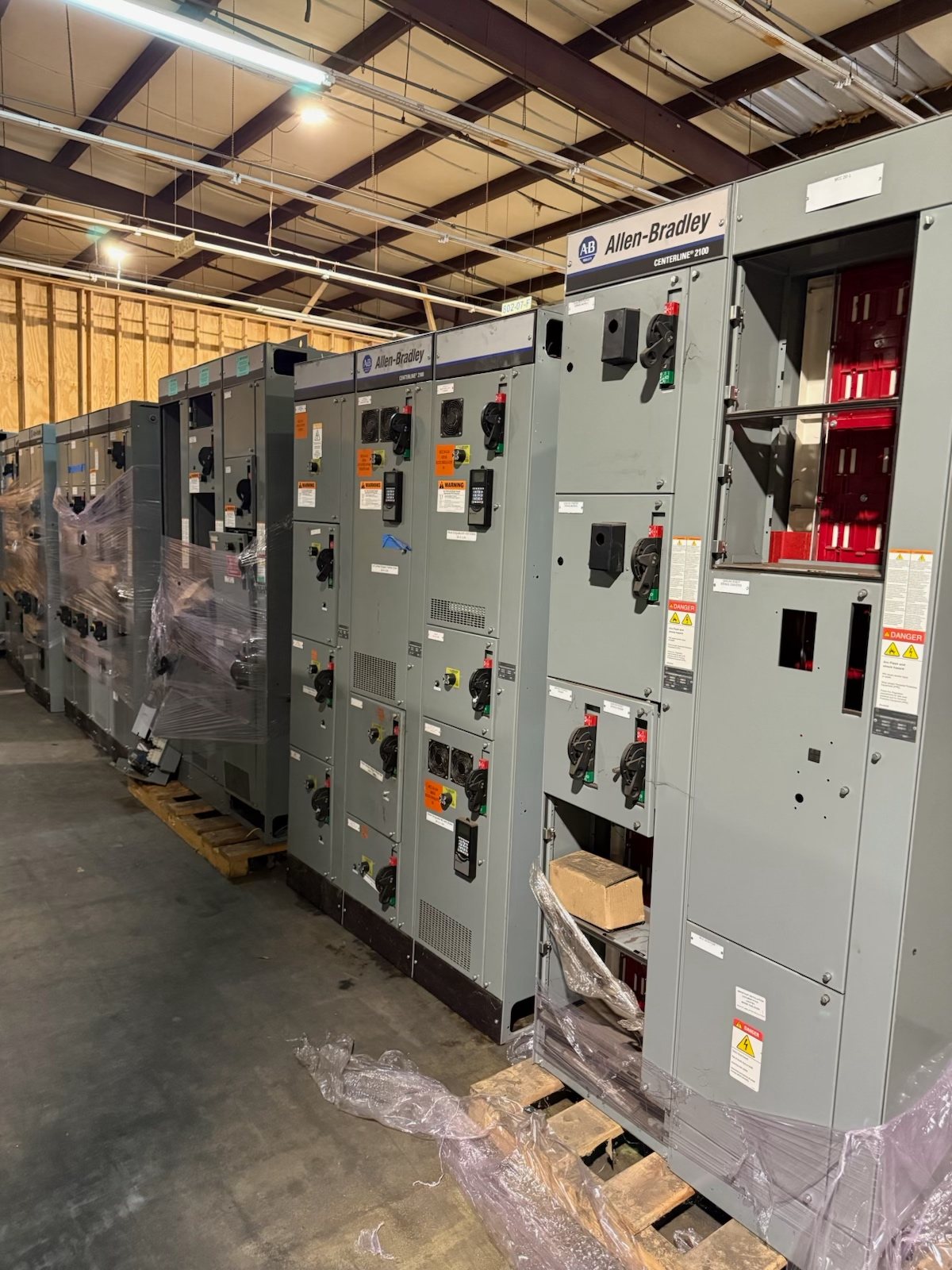
Our review can cover all voltage classes; our buying scope includes switchgear from decommissioned data centers and shut-down power plants. For a purchase both parties agree to, qualified buyer personnel handle necessary disconnects, removal, crane and rigging work, loading and hauling. Freight is covered, with no testing or physical work by the seller.
No seller testing is needed, and an inquiry is not a request to make equipment safe by yourself. Do not open equipment or go near an unsafe installation to obtain a label. The buyer uses qualified personnel for the necessary electrical and physical work, coordinated with the appropriate site contact.
Coordinating the handover
For a collection plan, the buyer considers the equipment’s location, size and any known site restrictions. If several rooms or release dates are involved, those can be discussed as part of the proposed purchase. The buyer’s qualified personnel perform the on-site work and arrange the covered freight.
Where assets are released in stages, the owner can describe the planned windows if known. The buyer reviews the schedule and coordinates the necessary work; there is no promise of an immediate visit or a particular collection date before agreement. The seller does not handle the freight.
Cash offer and payment
After reviewing the equipment and the practical details, the buyer may make a cash offer. Whether the transaction proceeds depends on the review and agreement with the authorized seller. An agreed purchase is paid upfront, with the buyer covering freight and handling collection.
A useful first message need not be polished: identify the general equipment, where it is and whether it is still installed, if known. Mention any release date already established. The buyer can review missing details without requiring the seller to test the equipment, arrange labor or organize freight.