THE DETAILS INDUSTRIES
Explore selling surplus electrical distribution equipment from automotive shutdown projects in Michigan, including offer and freight planning.
The project and the assets
Owners can request a purchase review for surplus automotive shutdown electrical equipment in Michigan, including assets still in place. The equipment offered, its ownership and the release schedule matter more than a project label alone. The examples below illustrate how an equipment sale might fit into a larger project.
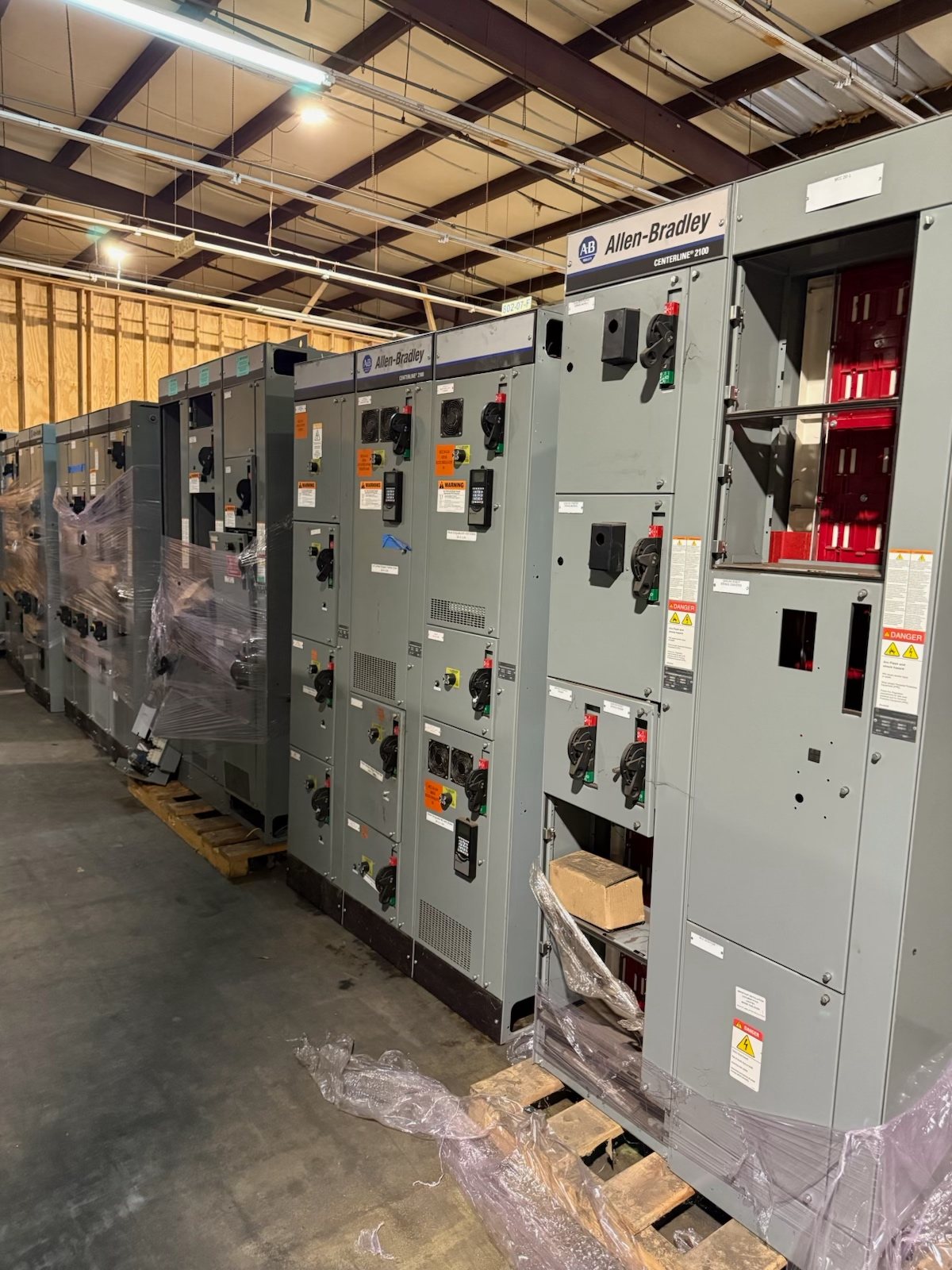
An automotive manufacturing shutdown can release electrical assets in phases as production areas are retired. In a hypothetical project, an owner might have a lineup scheduled for release before a second group of equipment. Existing asset lists and release dates can help the buyer review what is actually available without assuming the whole site is for sale.
Planning the release
For asset identification, distinguish individual lineups, associated equipment and loose items using the records already available. Manufacturer, model, rating and location can be useful when known. Missing information should be labeled as unknown rather than inferred from another device or an old project drawing.
It is reasonable to start the conversation before every detail of a project is finalized. Share the intended scope and any timing that is already known, while identifying plans that may change. The buyer reviews those details before making an offer and agrees the collection arrangements with the authorized seller.
Condition and offer review
If the history is incomplete, say so. The buyer can review an item identified as untested or a lineup with missing information, taking that uncertainty into account. Information about visible damage or missing components is helpful when already known, but the owner is not asked to perform a technical inspection.
The buyer considers the equipment itself and the practical work needed to collect it. Quantity, identifying information, completeness, condition, access and timing can all affect the review. An inquiry does not guarantee an offer for every item or a particular amount, and the seller can decide whether to accept a proposed purchase.
Site and inventory considerations
Production deadlines and building handovers may create different windows for different assets. Keep equipment being retained or transferred separate from the proposed sale. The buyer handles necessary disconnects and physical removal through qualified personnel, coordinating the agreed work with the owner’s site representatives.
Records do not need to be perfect to start an inquiry. An existing equipment list, a broad description and any safely accessible exterior photos can establish the scope. Note whether the offer concerns a complete assembly, a partial lineup or individual pieces, and avoid attributing an unverified rating to the whole group.
Buyer-handled removal
We buy equipment of all voltage classes and buy switchgear from decommissioned data centers and shut-down power plants. On an agreed purchase, the buyer takes care of necessary disconnects, removal, cranes, rigging, loading, hauling and freight through qualified personnel. The seller is not expected to test, move, load or ship anything.
Electrical safety is handled as part of the buyer’s professional work, not as a task for the seller. Do not try to operate equipment, open a panel or collect information from an unsafe position. Qualified buyer personnel coordinate the necessary disconnects and removal with the site’s authorized representative.
Site access and freight
If known, the equipment location, access windows, approximate size and building restrictions can help the buyer plan the work. Large or awkward pieces may need special lifting or a coordinated route. The buyer arranges qualified crews and equipment, including cranes and rigging where needed, and handles loading and hauling.
If equipment ownership or access is controlled by more than one party, identify the authorized contact for the proposed sale. The buyer can then discuss the practical handover and coordinate its personnel. Identifying a contact is not a requirement for the seller to disconnect, load or transport the equipment.
Inquiry, offer and payment
The seller can request a cash offer with the information already available. The buyer reviews the assets and transaction details, and not every item is necessarily accepted. If a purchase is agreed, payment is upfront; the buyer handles the physical work and covers freight.
Tell the buyer what equipment may be available and share any existing records that help define the lot. If the details or condition are uncertain, say so rather than investigating unsafe equipment. The seller does not test or handle removal; after the purchase is agreed, payment is upfront.