THE DETAILS SELLING SITUATIONS
Learn how to sell as-is surplus automatic transfer switch (ATS) in Michigan and request an equipment offer with freight coordination.
Describe the actual asset
For a Michigan owner considering a sale of automatic transfer switches (ATSs), the first step is to describe what is available and what is known about it. The asset may be an installed assembly, stored equipment or part of a larger group. The buyer reviews the actual items and the practical conditions of their release.
An automatic transfer switch, often called an ATS, is intended to transfer a load between power sources under the conditions for which it is designed. A used unit should be described as an identified asset, not as evidence that a backup system will operate. Its controller and enclosure may be relevant to what is included.
Your sale circumstances
An as-is description can acknowledge known damage, missing components or an unknown operating history without creating a promise about the final agreement. Tell the buyer what is actually known and what is not. Any offer and the precise sale terms are subject to review and agreement by both parties.
A mixed inventory does not need to be sorted physically before it can be discussed. An existing list or a general description can distinguish assemblies from loose parts and identify items that are not for sale. The buyer handles the agreed collection instead of asking the owner to stage the inventory.
How the buyer reviews condition
Be direct about the state of the lot as it is known. An assembly may be used, unused, incomplete, stored or still installed; none of those labels alone proves its present operating condition. Known damage and missing information can be disclosed without arranging a test or making claims beyond the records.
The scope of the sale influences the review: a complete lineup, a few sections and loose devices are not necessarily the same proposition. So do known condition, site access and the timing of release. The buyer can make a cash offer following review, but there is no promise to purchase every asset.
Useful information to share
An existing label or inventory may identify the manufacturer, ratings and model of an ATS. State whether the controller, enclosure and associated loose parts are part of the proposed sale if that information is known. An owner can describe it as untested without trying a transfer or energizing anything.
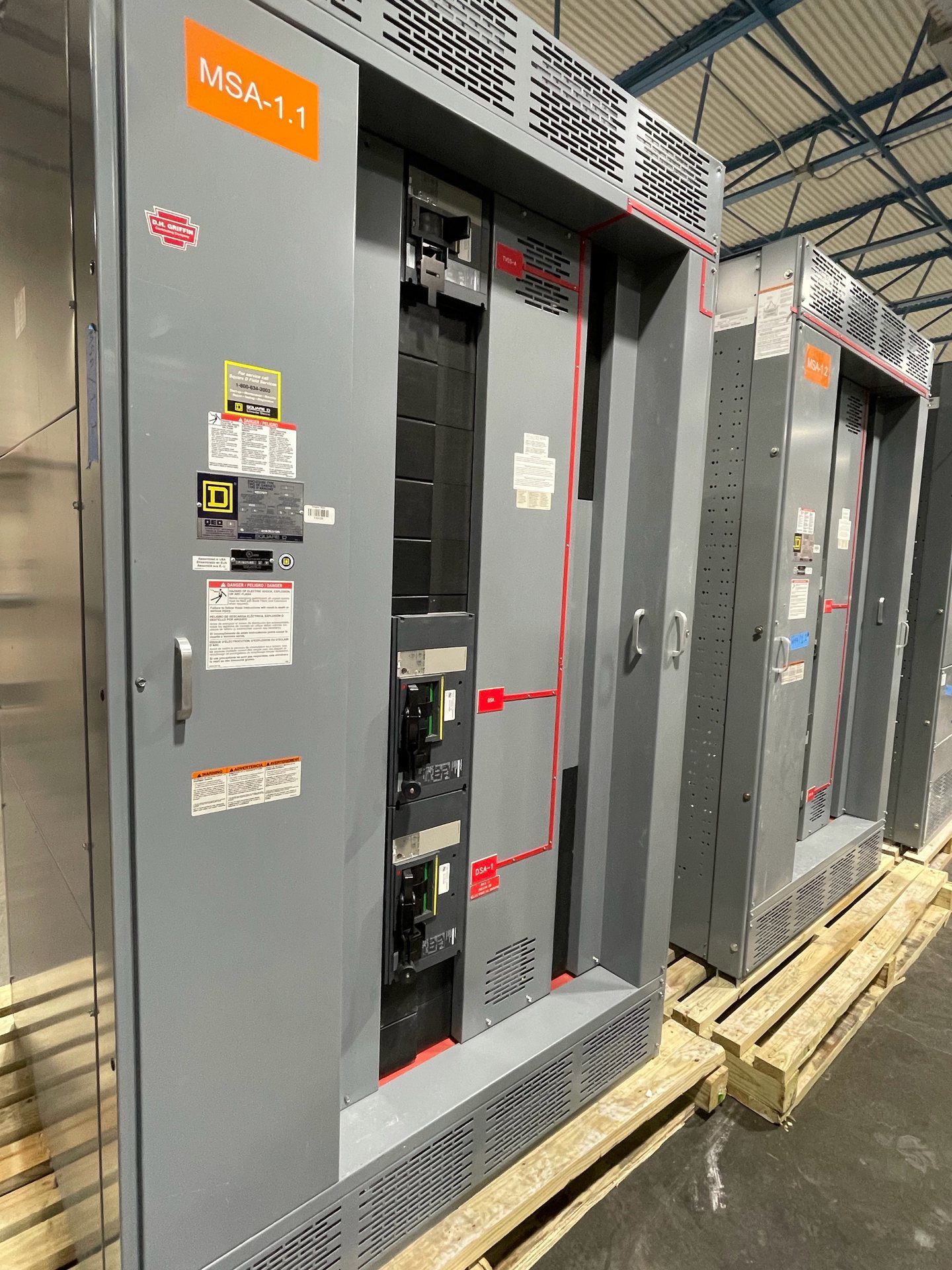
If an inventory or photograph already exists, it can help the buyer distinguish the proposed assets from equipment that is staying. The manufacturer, model, visible markings and approximate number of sections may be useful. A seller can also say that a detail is unknown; the buyer reviews the information available.
What the buyer handles
We buy equipment of all voltage classes and buy switchgear from decommissioned data centers and shut-down power plants. On an agreed purchase, the buyer takes care of necessary disconnects, removal, cranes, rigging, loading, hauling and freight through qualified personnel. The seller is not expected to test, move, load or ship anything.
Electrical safety is handled as part of the buyer’s professional work, not as a task for the seller. Do not try to operate equipment, open a panel or collect information from an unsafe position. Qualified buyer personnel coordinate the necessary disconnects and removal with the site’s authorized representative.
Preparing the collection plan
If known, the equipment location, access windows, approximate size and building restrictions can help the buyer plan the work. Large or awkward pieces may need special lifting or a coordinated route. The buyer arranges qualified crews and equipment, including cranes and rigging where needed, and handles loading and hauling.
The owner may have a deadline for clearing a space or completing a property handover. The buyer can consider that information during review, along with any access rules. Timing is agreed rather than presumed, and the buyer handles collection and covered freight for the purchased assets.
Cash offer and next steps
The buyer first reviews what is offered and the associated site details. A cash offer may follow, subject to that review and agreement on the transaction; the seller can decide whether to accept. For an agreed purchase, the seller is paid upfront, and the buyer covers freight.
A seller can start with a short message about the assets and the site. Existing identification and condition notes are welcome when available, while gaps can be left open. The buyer considers the information and handles the removal and freight after the parties agree and the seller is paid upfront.