THE DETAILS COUNTIES
Learn what to share when selling surplus switchgear in Livingston County, Michigan, from identification to freight arrangements.
Equipment available for review
Owners with surplus electrical equipment in Livingston County, Michigan can request a buyer-only review without first moving the assets. An inquiry can cover an individual assembly or a group in different spaces. The buyer considers the actual equipment and the practical details of its release and site access.
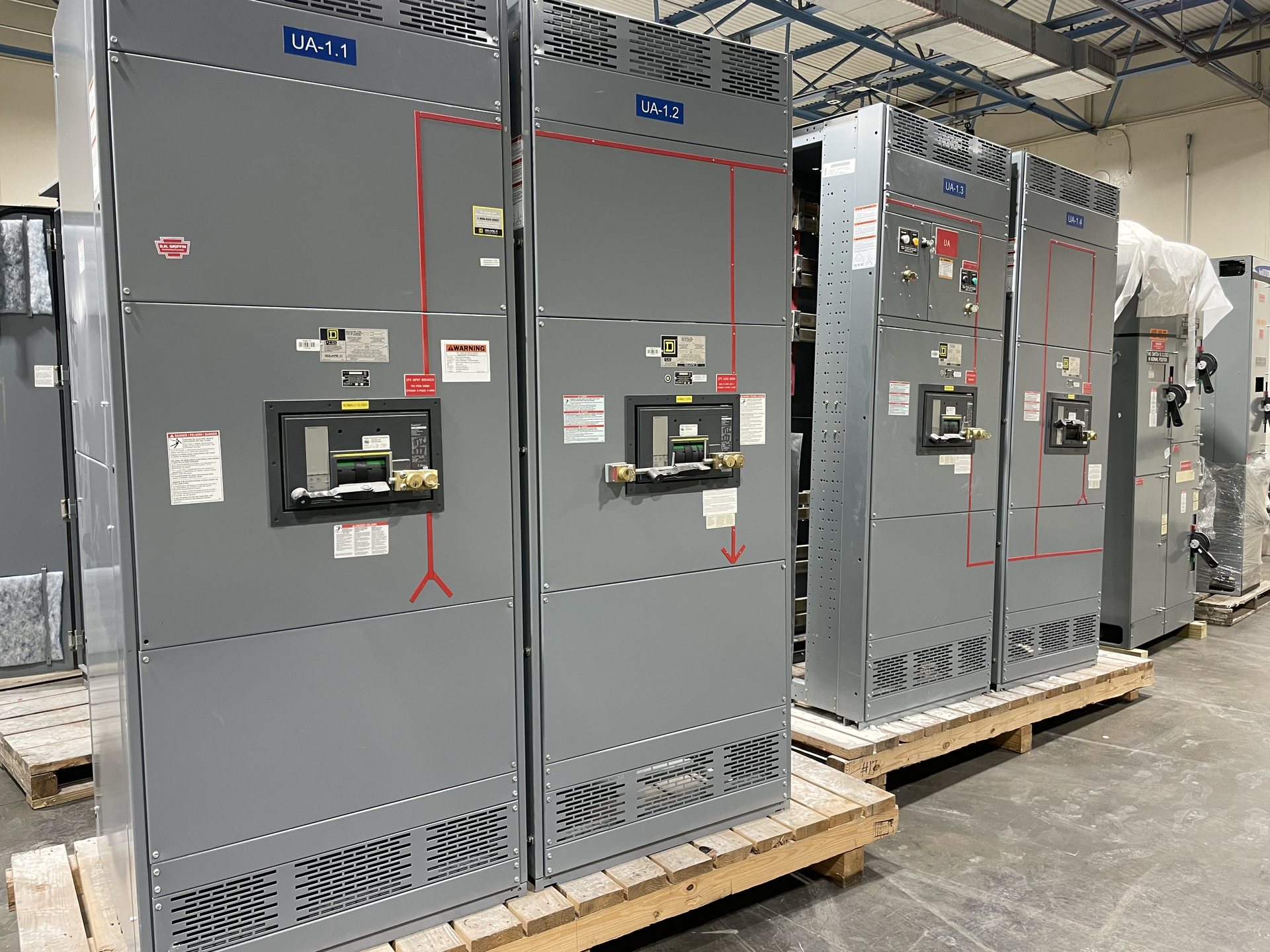
A switchboard brings distribution and protective devices together in an assembly that may be made up of several sections. An owner can describe the whole lineup or a partial group of sections. That distinction matters because the buyer needs to understand what is actually being offered, rather than infer completeness from a single exterior view.
A possible handover
A backup unit may have been kept in reserve even after a replacement was installed. If it is now authorized for sale, describe its known status and the intended release date without claiming that it has been tested. The buyer can review the equipment as it stands, with removal handled by qualified personnel.
The boundary of the proposed sale is worth settling early. An owner may want to keep some devices, records or accessories while offering the main assembly. Sharing that distinction helps the buyer review the right assets and avoids assuming that everything in the same room belongs to the lot.
Information already on hand
Useful existing switchboard details include the manufacturer, visible ratings, section count and any information about main and feeder devices. If known, explain whether the assembly remains installed or was previously removed. A partial lineup can be described honestly, with missing or uncertain components noted rather than guessed.
Existing asset lists, project documents and exterior photographs can help identify what the owner intends to sell. Useful details may include manufacturer, model, ratings, quantities and the general location of each group. Share only what is already known or safely accessible; an incomplete list is a reasonable starting point for a conversation.
What affects an offer
An owner’s records might establish that an asset was removed from service, but that is different from establishing its current condition. State the known facts, including any incomplete parts or damage, and leave the rest uncertain. The buyer makes its own purchase review without requiring the seller to test the asset.
The scope of the sale influences the review: a complete lineup, a few sections and loose devices are not necessarily the same proposition. So do known condition, site access and the timing of release. The buyer can make a cash offer following review, but there is no promise to purchase every asset.
Qualified removal and safety
Our buying scope includes all voltage classes, from lower-voltage distribution equipment through higher-voltage assets. We also buy switchgear from decommissioned data centers and shut-down power plants. For an agreed purchase, our qualified personnel handle the disconnects, removal, crane work, rigging, loading, hauling and freight; the seller performs no testing or physical work.
Electrical equipment can present serious hazards even when it appears inactive. Do not operate devices, open enclosures or approach an unsafe area to prepare an inquiry. The buyer’s qualified personnel handle necessary electrical and removal work in coordination with the authorized site representative and applicable site procedures.
Collection arrangements
For a collection plan, the buyer considers the equipment’s location, size and any known site restrictions. If several rooms or release dates are involved, those can be discussed as part of the proposed purchase. The buyer’s qualified personnel perform the on-site work and arrange the covered freight.
If equipment ownership or access is controlled by more than one party, identify the authorized contact for the proposed sale. The buyer can then discuss the practical handover and coordinate its personnel. Identifying a contact is not a requirement for the seller to disconnect, load or transport the equipment.
How to begin
Start with the information at hand and the proposed release. The buyer reviews the assets and may present a cash offer; an offer and acceptance depend on the equipment and transaction details. Once a purchase is agreed, payment is upfront, and freight is covered by the buyer.
To start, describe the assets you want considered and provide an authorized contact. Existing identification, condition notes and timing are useful when available, but uncertain details can be labeled unknown. The buyer reviews the opportunity, pays upfront for an agreed purchase and takes care of the physical work.