THE DETAILS COUNTIES
Learn what to share when selling surplus switchgear in Newaygo County, Michigan, from identification to freight arrangements.
Equipment available for review
Owners with surplus electrical equipment in Newaygo County, Michigan can request a buyer-only review without first moving the assets. An inquiry can cover an individual assembly or a group in different spaces. The buyer considers the actual equipment and the practical details of its release and site access.
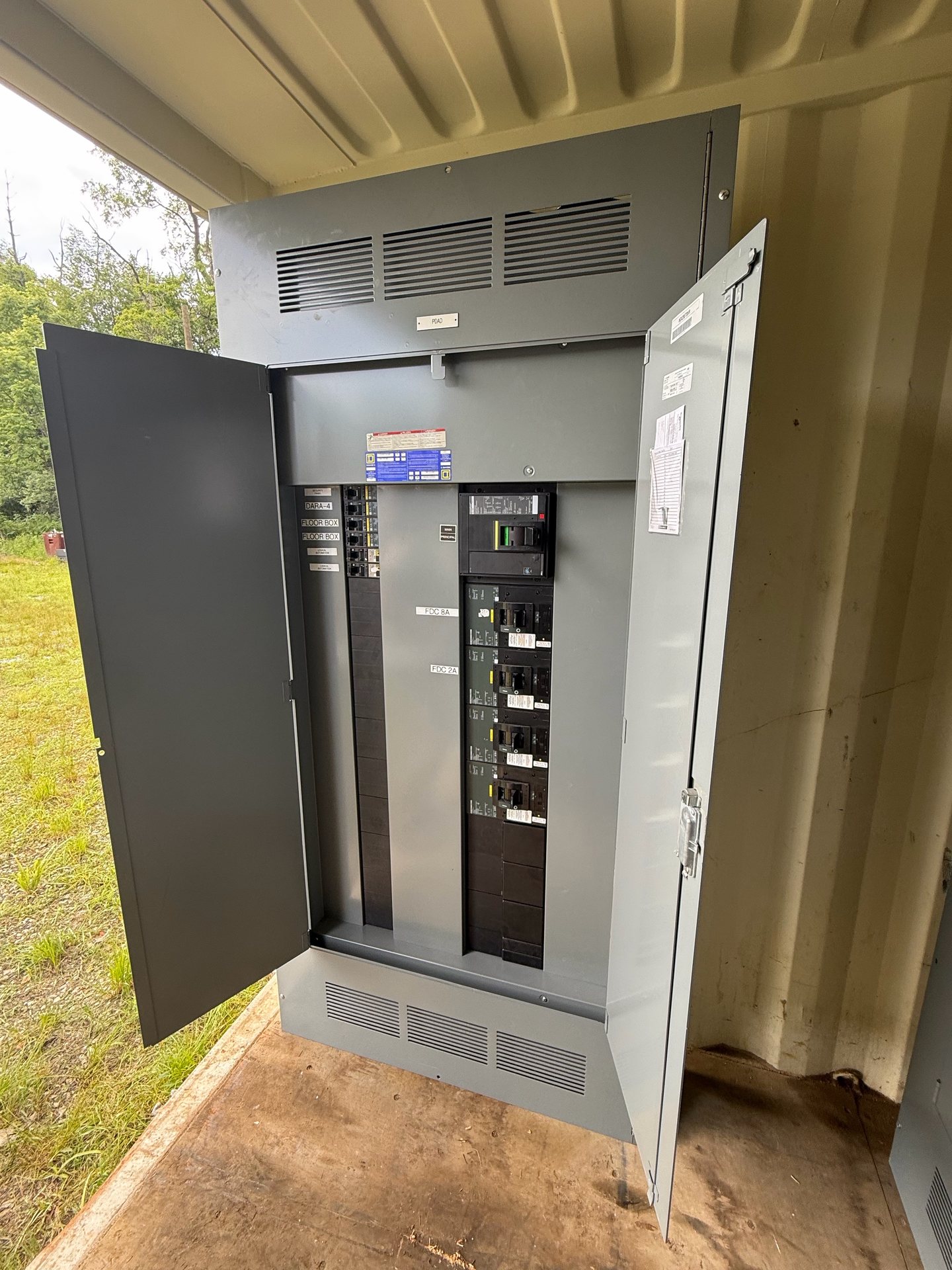
Switchgear is an assembly used to control, protect and isolate parts of an electrical system. A proposed sale might cover a connected lineup, individual sections, or equipment already in storage; those are different descriptions. An existing or safely accessible exterior photo can help establish what is included without suggesting that its operating condition is known.
A possible handover
For a multi-item inventory, list groups by equipment type and location if the information is already available. Separate whole assemblies from loose devices, and flag anything that is not part of the sale. The buyer can discuss whether to review the assets together or as separate groups; a single offer for everything is not automatic.
An owner may prefer one transaction or may have assets released at separate times. Describe the intended group and any dates already established; the buyer can discuss the practical scope during review. No particular offer, schedule or purchase of every asset is assumed just because an inquiry has been made.
Information already on hand
For a switchgear lineup, existing records may show the manufacturer, voltage, current rating, number of sections and major devices. Note whether loose breakers, control components and documentation belong with the lineup. Separate items can be identified separately; do not assume that equipment sitting nearby is included in the sale.
Inventory information can be approximate at the first conversation. For example, an owner may know the number of lineups but not every component inside them. Describe the scope honestly and share existing exterior photographs when safe to do so. The buyer reviews unknowns rather than requiring seller testing.
What affects an offer
Age, storage and previous use are useful context, but they do not by themselves determine whether equipment works or what it is worth. Share known condition and any gaps in the record. The buyer evaluates the actual assets; a seller is not expected to certify a technical condition.
The scope of the sale influences the review: a complete lineup, a few sections and loose devices are not necessarily the same proposition. So do known condition, site access and the timing of release. The buyer can make a cash offer following review, but there is no promise to purchase every asset.
Qualified removal and safety
We buy electrical distribution equipment of all voltage classes, and we buy switchgear from decommissioned data centers and shut-down power plants. For an agreed purchase, our qualified personnel handle necessary disconnects, removal, crane work, rigging, loading and hauling. The buyer covers freight, and the seller does no testing or physical work.
Electrical safety is handled as part of the buyer’s professional work, not as a task for the seller. Do not try to operate equipment, open a panel or collect information from an unsafe position. Qualified buyer personnel coordinate the necessary disconnects and removal with the site’s authorized representative.
Collection arrangements
For a collection plan, the buyer considers the equipment’s location, size and any known site restrictions. If several rooms or release dates are involved, those can be discussed as part of the proposed purchase. The buyer’s qualified personnel perform the on-site work and arrange the covered freight.
A site contact can explain any entry approvals or work windows already established. That helps the buyer coordinate qualified personnel with the site, but it does not require the seller to supply labor or organize transport. The exact collection schedule is agreed as part of the transaction.
How to begin
The seller can request a cash offer with the information already available. The buyer reviews the assets and transaction details, and not every item is necessarily accepted. If a purchase is agreed, payment is upfront; the buyer handles the physical work and covers freight.
You can begin with the equipment type, approximate quantity, site location and an authorized contact, adding existing photos or records if convenient. Unknown details can remain unknown. There is no need to test, disconnect, move or load anything: after agreement, the seller’s part is to receive payment.