THE DETAILS COUNTIES
Learn what to share when selling surplus switchgear in St. Clair County, Michigan, from identification to freight arrangements.
Equipment available for review
Owners with surplus electrical equipment in St. Clair County, Michigan can request a buyer-only review without first moving the assets. An inquiry can cover an individual assembly or a group in different spaces. The buyer considers the actual equipment and the practical details of its release and site access.
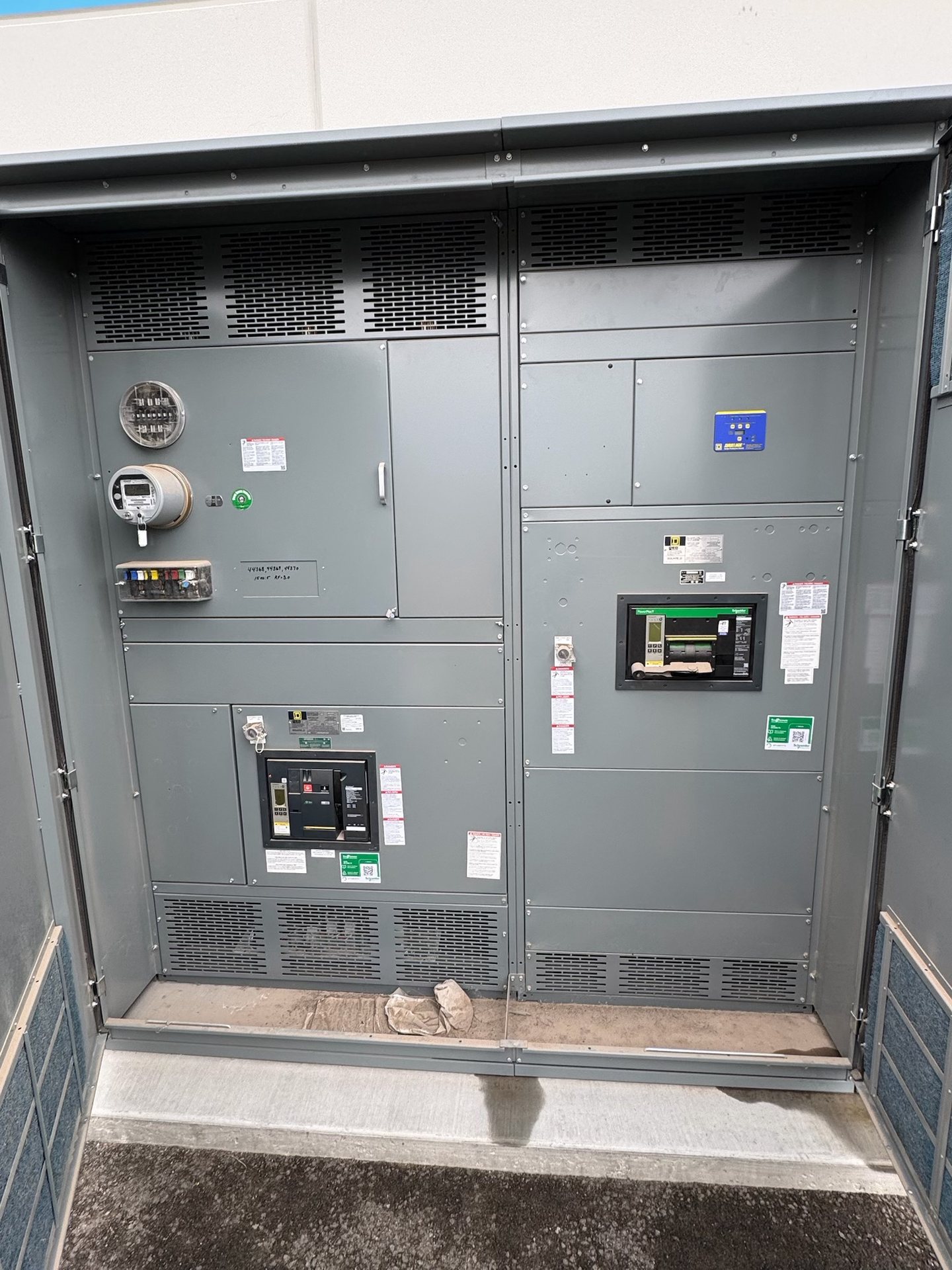
A unit substation generally combines a transformer with associated distribution or switching equipment in an arrangement that serves a facility. Individual assemblies vary, so the owner should describe which sections are included. The transformer and associated gear may be offered together or as distinct assets, depending on the owner’s intended sale.
A possible handover
A contractor may already have an owner-approved inventory of equipment removed earlier. Clarify whose assets they are, where they are stored and whether the contractor can speak for the seller. Previous removal is not required: for accepted purchases, the buyer also handles necessary disconnects and removal through qualified personnel.
The person making the inquiry may be the owner or someone acting on the owner’s behalf. Clarifying who can authorize the sale and who controls site access gives both sides a practical starting point. The details can be worked out during review without asking the seller to arrange a removal crew.
Information already on hand
Existing records can help identify the transformer, primary and secondary equipment, manufacturer markings and approximate dimensions. Note whether any sections or accessories are absent and whether the unit remains in place. If fluid or other special handling information is already known, share it for review without opening or examining the equipment.
A helpful description can be simple: the type and count of equipment, where it is located, and any manufacturer or rating information already on hand. If there are loose parts, identify them separately where possible. There is no need to create a technical report or guess at missing information before contacting the buyer.
What affects an offer
Be direct about the state of the lot as it is known. An assembly may be used, unused, incomplete, stored or still installed; none of those labels alone proves its present operating condition. Known damage and missing information can be disclosed without arranging a test or making claims beyond the records.
The scope of the sale influences the review: a complete lineup, a few sections and loose devices are not necessarily the same proposition. So do known condition, site access and the timing of release. The buyer can make a cash offer following review, but there is no promise to purchase every asset.
Qualified removal and safety
We buy electrical equipment across all voltage classes, including switchgear from decommissioned data centers and shut-down power plants. For an agreed purchase, we handle necessary disconnects, removal, crane and rigging work, loading, hauling and freight with qualified personnel. The seller does no testing or physical work and does not arrange or pay for freight.
A seller does not have to prepare equipment electrically or demonstrate that it works. Avoid operating devices, opening covers or entering unsafe areas for photographs. The buyer’s qualified personnel handle the necessary disconnects and removal, coordinating access and the work with the authorized site representative.
Collection arrangements
Known site restrictions, an approximate release window and existing equipment dimensions help frame the pickup discussion. The buyer reviews the circumstances before the parties agree on a collection plan. On an agreed purchase, the buyer arranges the necessary physical work, loading, hauling and freight.
A property handover, controlled entrance or limited work window may affect the collection plan. Tell the buyer what is already known, and agree the timing before work begins. The buyer handles the physical work and covered freight; the owner does not have to make the shipment ready.
How to begin
The process is straightforward: share the available description, let the buyer review the equipment and site details, and consider any cash offer made. Offers are subject to review and the parties’ agreement; not every item is necessarily purchased. For an accepted purchase, payment is upfront, and the buyer covers freight.
When you are ready, share what is available and any records you already have. If a rating or condition is uncertain, simply say so. The buyer reviews the opportunity and, if a purchase is agreed, pays upfront and handles the qualified removal work and freight.