THE DETAILS BRANDS
Learn what to share when selling Square D electrical distribution equipment in Michigan and how an offer and freight may be arranged.
Start with the actual equipment
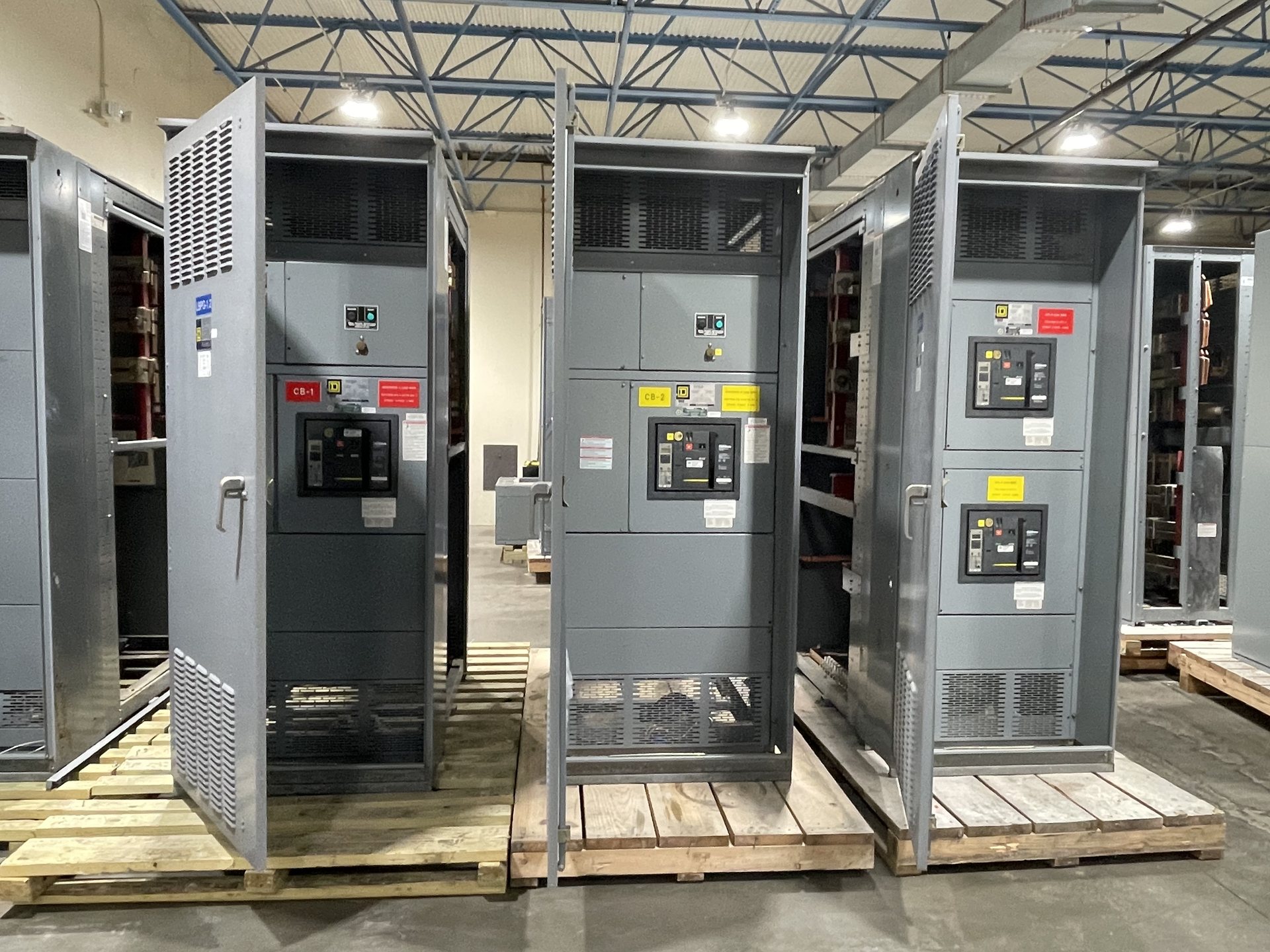
An owner with Square D electrical distribution equipment in Michigan can request a buyer-only review of the assets actually available for sale. The manufacturer name is a starting point for identification, not a substitute for the equipment type, condition or contents of the lot. Complete records are helpful when they already exist, but they are not required to begin.
The name Square D may be useful for identifying an item, but equipment type and individual markings still matter. A lot can contain one assembly, loose devices or equipment from several manufacturers. The name is used here only to identify equipment; it does not imply affiliation with or endorsement by the manufacturer.
Manufacturer and asset records
An existing inventory or exterior label may show a product line, model or rating. Keep those details with the item they identify instead of assigning them to the entire lot. If the lineup includes loose devices or components with different markings, describe each group separately where the information is already available.
Records do not need to be perfect to start an inquiry. An existing equipment list, a broad description and any safely accessible exterior photos can establish the scope. Note whether the offer concerns a complete assembly, a partial lineup or individual pieces, and avoid attributing an unverified rating to the whole group.
The sale situation
A retired asset can still be installed, in storage or offered as loose parts. Retirement does not establish operating condition. If known, share the manufacturer markings, the general equipment type and the proposed release timing; the buyer can review the description without requiring the seller to perform testing.
The boundary of the proposed sale is worth settling early. An owner may want to keep some devices, records or accessories while offering the main assembly. Sharing that distinction helps the buyer review the right assets and avoids assuming that everything in the same room belongs to the lot.
Reviewing condition and value
Age, storage and previous use are useful context, but they do not by themselves determine whether equipment works or what it is worth. Share known condition and any gaps in the record. The buyer evaluates the actual assets; a seller is not expected to certify a technical condition.
The buyer considers the equipment itself and the practical work needed to collect it. Quantity, identifying information, completeness, condition, access and timing can all affect the review. An inquiry does not guarantee an offer for every item or a particular amount, and the seller can decide whether to accept a proposed purchase.
Buyer-handled work
Our review can cover all voltage classes; our buying scope includes switchgear from decommissioned data centers and shut-down power plants. For a purchase both parties agree to, qualified buyer personnel handle necessary disconnects, removal, crane and rigging work, loading and hauling. Freight is covered, with no testing or physical work by the seller.
A photo is optional and should only be taken from a safe, authorized location. Do not manipulate devices or remove covers for a better view. The buyer’s qualified personnel handle necessary disconnects and removal, working with the authorized site contact and the applicable site procedures.
Coordinating the handover
Access and timing are practical parts of a review, whether equipment sits in a warehouse or remains installed at a facility. Existing information about location and release windows is useful; exact measurements are not a prerequisite for an initial inquiry. The buyer coordinates the lifting, loading, hauling and freight.
The owner or an authorized contact can explain how access approval works and identify any deadline already known. That communication does not transfer the labor to the seller. A purchase and collection schedule are agreed after review, rather than assumed from the first message.
Cash offer and payment
The process is straightforward: share the available description, let the buyer review the equipment and site details, and consider any cash offer made. Offers are subject to review and the parties’ agreement; not every item is necessarily purchased. For an accepted purchase, payment is upfront, and the buyer covers freight.
A useful first message need not be polished: identify the general equipment, where it is and whether it is still installed, if known. Mention any release date already established. The buyer can review missing details without requiring the seller to test the equipment, arrange labor or organize freight.