THE DETAILS SELLING SITUATIONS
Learn how to sell as-is surplus electrical circuit breaker in Michigan and request an equipment offer with freight coordination.
Describe the actual asset
For a Michigan owner considering a sale of electrical circuit breakers, the first step is to describe what is available and what is known about it. The asset may be an installed assembly, stored equipment or part of a larger group. The buyer reviews the actual items and the practical conditions of their release.
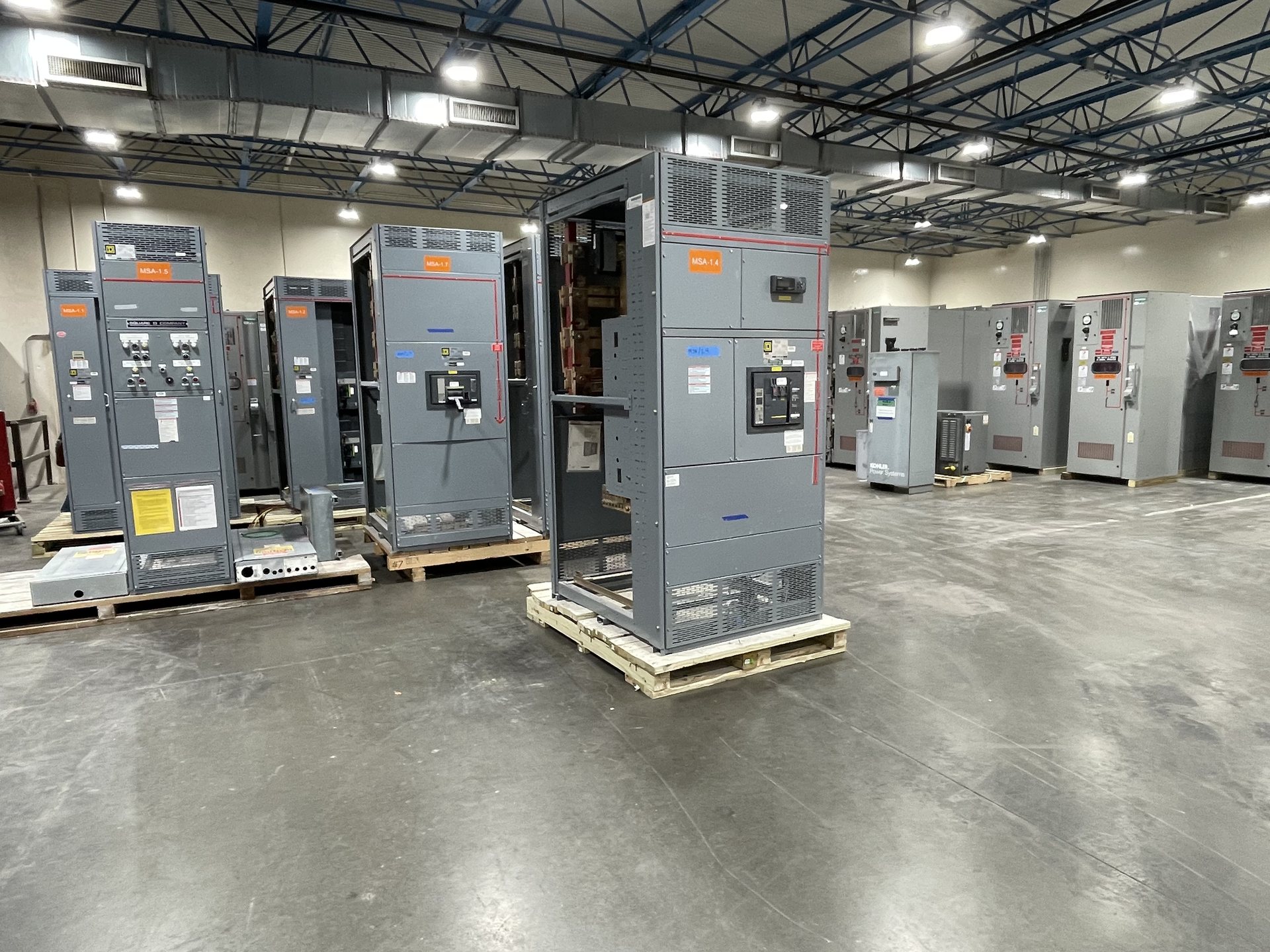
An electrical circuit breaker is a protective switching device, and the term covers many different sizes and constructions. A loose spare, a removed breaker and a device included within a larger assembly are different sale items. Describe how many are offered and the configuration if it is already known.
Your sale circumstances
An as-is description can acknowledge known damage, missing components or an unknown operating history without creating a promise about the final agreement. Tell the buyer what is actually known and what is not. Any offer and the precise sale terms are subject to review and agreement by both parties.
It is reasonable to start the conversation before every detail of a project is finalized. Share the intended scope and any timing that is already known, while identifying plans that may change. The buyer reviews those details before making an offer and agrees the collection arrangements with the authorized seller.
How the buyer reviews condition
A description of condition should distinguish known facts from assumptions. For example, a stored spare may be unused, but its packaging and storage history can still matter. The buyer can review unknowns as part of the inquiry; no operating test or seller-conducted troubleshooting is required.
A proposed cash offer reflects a review of the assets and transaction details rather than a fixed price based on a label. The contents, available records, known condition, release schedule and site access can matter. The buyer may accept or decline an opportunity; any agreement is made with the authorized seller.
Useful information to share
For breakers, existing labels may identify the manufacturer, model, voltage and current markings, and other ratings. A device label should not be assumed to describe an entire lineup. Keep any available list of loose devices separate from the equipment in which other breakers remain installed, and identify unknown details honestly.
Records gathered for ordinary asset management may be enough for an initial review. A description of the type, count and location, plus any known model or rating, helps define the lot. A missing document or unreadable marking can be identified as such without opening or operating equipment.
What the buyer handles
We buy equipment of all voltage classes and buy switchgear from decommissioned data centers and shut-down power plants. On an agreed purchase, the buyer takes care of necessary disconnects, removal, cranes, rigging, loading, hauling and freight through qualified personnel. The seller is not expected to test, move, load or ship anything.
The seller is not asked to prove the equipment works or prepare it for removal. Do not open an enclosure, touch electrical parts or enter an unsafe area to identify it. The buyer uses qualified personnel to coordinate and perform the necessary electrical work and physical removal.
Preparing the collection plan
A freight plan considers more than a destination. The buyer may need to coordinate access to the equipment, lifting and a route out of the site. Existing dimensions or site rules are helpful when available. The buyer handles the on-site physical work, loading, hauling and covered freight.
If another party controls a building or a portion of the site, identify the appropriate contact when known. The buyer can discuss the access process and coordinate its removal work. The owner does not have to load a truck, supply a crane or book freight.
Cash offer and next steps
After reviewing the equipment and the practical details, the buyer may make a cash offer. Whether the transaction proceeds depends on the review and agreement with the authorized seller. An agreed purchase is paid upfront, with the buyer covering freight and handling collection.
A first conversation can begin with the equipment type, location and the owner’s intended release. Safely accessible existing photos or records can help but are not a demand to enter an unsafe area. The buyer handles the agreed work, and the seller does not perform testing or physical removal.