THE DETAILS SELLING SITUATIONS
Learn how to sell facility relocation surplus automatic transfer switch (ATS) in Michigan and request an equipment offer with freight coordination.
Describe the actual asset
For a Michigan owner considering a sale of automatic transfer switches (ATSs), the first step is to describe what is available and what is known about it. The asset may be an installed assembly, stored equipment or part of a larger group. The buyer reviews the actual items and the practical conditions of their release.
An automatic transfer switch, often called an ATS, is intended to transfer a load between power sources under the conditions for which it is designed. A used unit should be described as an identified asset, not as evidence that a backup system will operate. Its controller and enclosure may be relevant to what is included.
Your sale circumstances
A relocation can involve assets that travel to the new site, assets that stay with a building and assets authorized for sale. Separate those decisions before describing the proposed inventory. The buyer can coordinate collection for the items released for purchase, including equipment that is still in place.
A release date and a site closure date are not necessarily the same. Some assets might remain in place longer than others or require an agreed access window. If the schedule is known, the buyer can take it into account while reviewing the equipment; the owner does not have to move it first.
How the buyer reviews condition
Condition and completeness are separate questions. An assembly might include all known sections while its operating state is unknown, or it might be missing components despite a documented history. Report the distinction if it is known; no testing, energizing or troubleshooting is needed for an inquiry.
Equipment that looks similar can differ in its included components, condition and accessibility. For that reason, a review considers the actual lot and collection requirements rather than promising a value from a single detail. The owner remains free to consider the offer; a request is not an obligation to sell.
Useful information to share
An existing label or inventory may identify the manufacturer, ratings and model of an ATS. State whether the controller, enclosure and associated loose parts are part of the proposed sale if that information is known. An owner can describe it as untested without trying a transfer or energizing anything.
Records gathered for ordinary asset management may be enough for an initial review. A description of the type, count and location, plus any known model or rating, helps define the lot. A missing document or unreadable marking can be identified as such without opening or operating equipment.
What the buyer handles
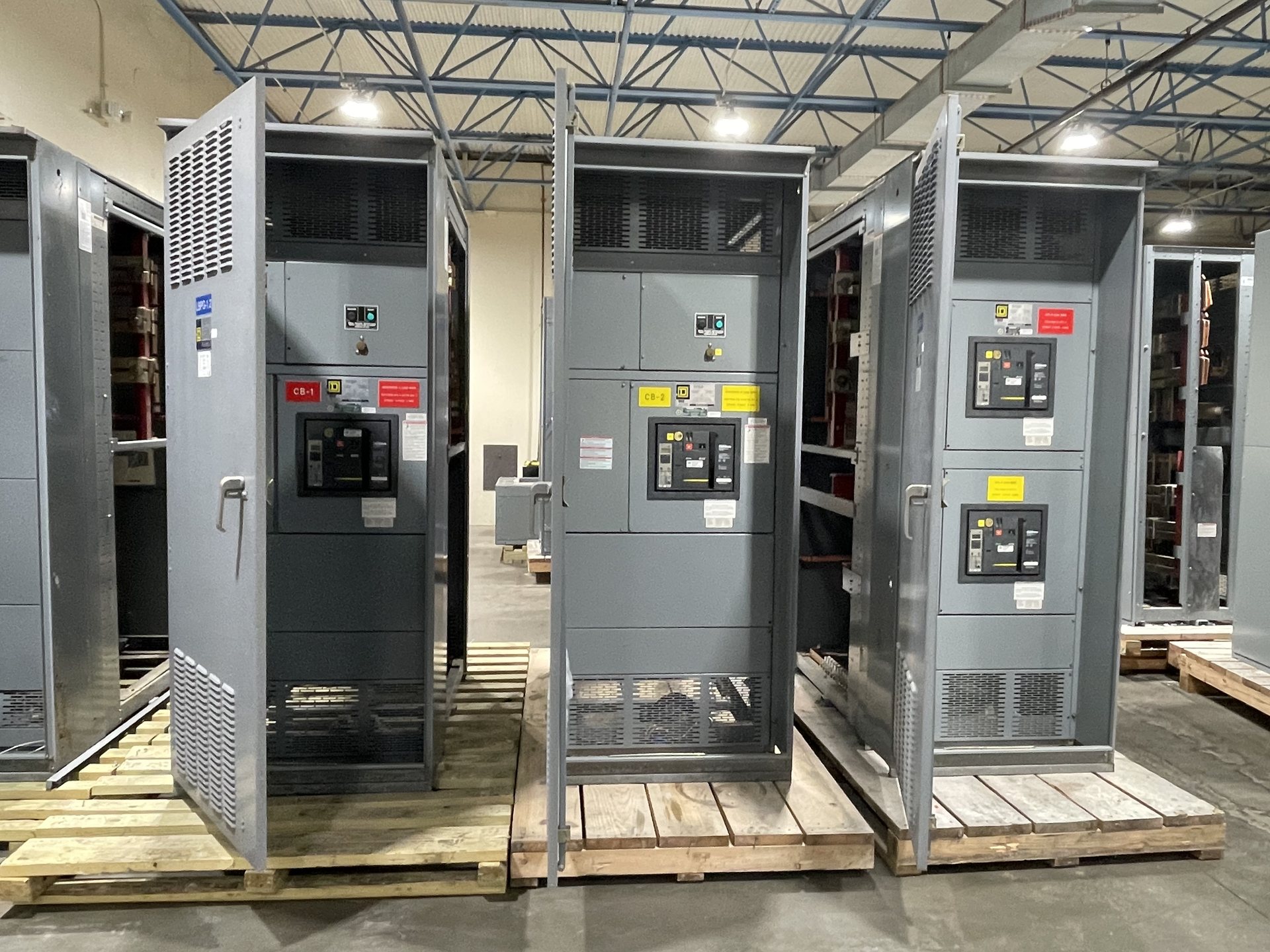
We buy equipment of all voltage classes and buy switchgear from decommissioned data centers and shut-down power plants. On an agreed purchase, the buyer takes care of necessary disconnects, removal, cranes, rigging, loading, hauling and freight through qualified personnel. The seller is not expected to test, move, load or ship anything.
A device can present hazards even when its status is uncertain. Leave operation, necessary disconnects and removal to the buyer’s qualified personnel, coordinated with the site. Existing documents or safely accessible exterior photos are sufficient to start; a seller should not open equipment or enter unsafe areas for more detail.
Preparing the collection plan
For a large or awkward assembly, collection planning may involve lifting equipment and space to maneuver. A seller can mention known access restrictions without finding a carrier or arranging a crane. The buyer handles required rigging, loading and hauling with qualified personnel and covers freight.
The owner may have a deadline for clearing a space or completing a property handover. The buyer can consider that information during review, along with any access rules. Timing is agreed rather than presumed, and the buyer handles collection and covered freight for the purchased assets.
Cash offer and next steps
The buyer first reviews what is offered and the associated site details. A cash offer may follow, subject to that review and agreement on the transaction; the seller can decide whether to accept. For an agreed purchase, the seller is paid upfront, and the buyer covers freight.
A useful first message need not be polished: identify the general equipment, where it is and whether it is still installed, if known. Mention any release date already established. The buyer can review missing details without requiring the seller to test the equipment, arrange labor or organize freight.