THE DETAILS CITIES
Explore a buyer-only route for surplus switchgear and electrical equipment in Hancock, Michigan, including offer details and pickup planning.
A practical local sale
If you have surplus electrical equipment in Hancock, Michigan, you can ask for a buyer-only review of the assets you intend to release. Equipment may be in place at a facility or held in storage. An inquiry can cover a single lineup or a group of different distribution assets, based on what the owner wants to sell.
An automatic transfer switch, often called an ATS, is intended to transfer a load between power sources under the conditions for which it is designed. A used unit should be described as an identified asset, not as evidence that a backup system will operate. Its controller and enclosure may be relevant to what is included.
Example: planning the release
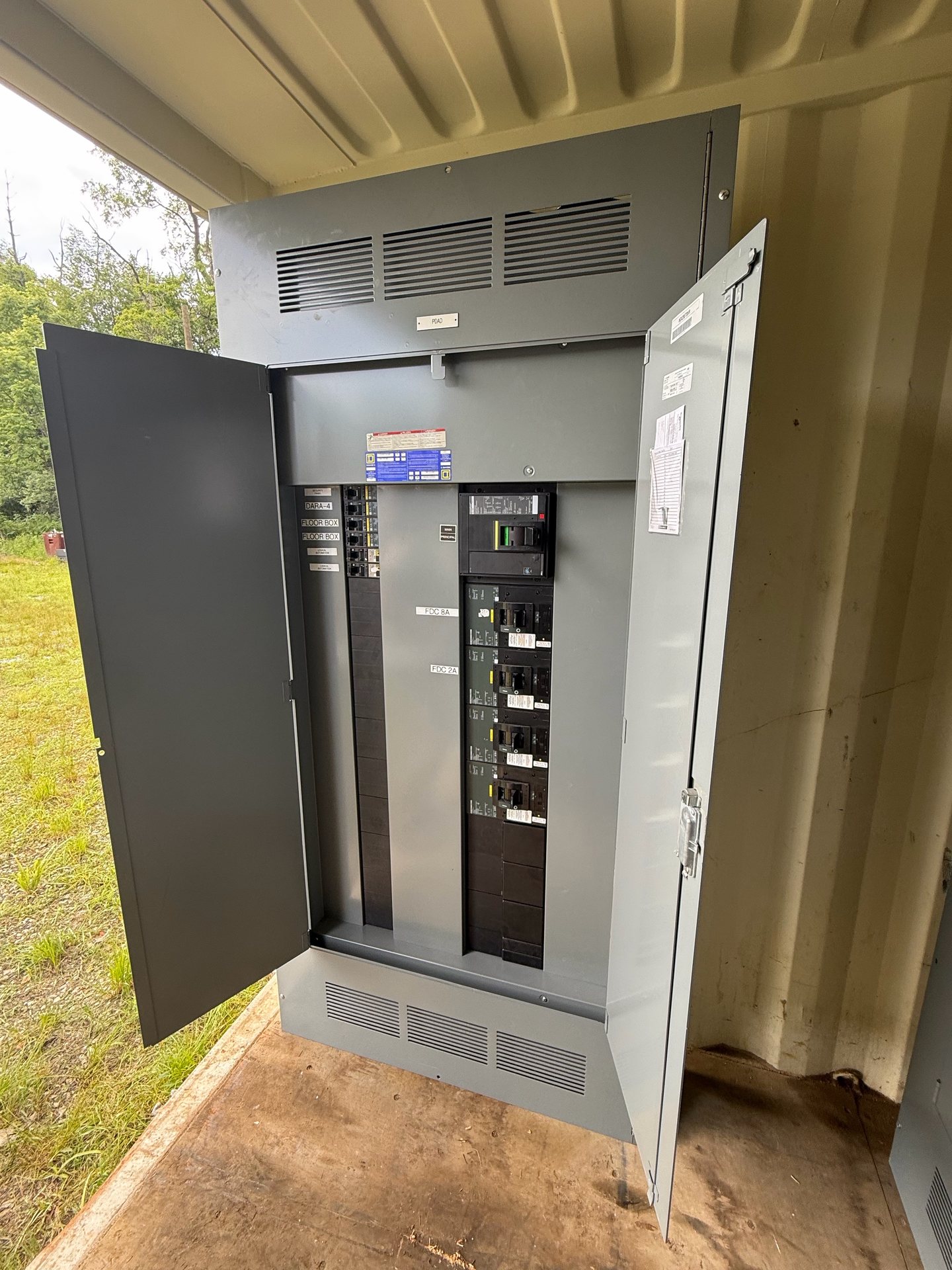
A mixed-manufacturer inventory is easier to evaluate when each group is identified separately. Existing photos or a list may show the name on each assembly and whether loose parts are included. Do not assume that two similarly labeled items share the same ratings or that an accessory belongs to a particular lineup.
Existing project records may show items that must stay on site alongside items that can be sold. If so, distinguish the proposed sale from retained property and note where ownership is uncertain. The buyer can review the authorized assets without treating a broad project description as a complete inventory.
Identifying the equipment
An existing label or inventory may identify the manufacturer, ratings and model of an ATS. State whether the controller, enclosure and associated loose parts are part of the proposed sale if that information is known. An owner can describe it as untested without trying a transfer or energizing anything.
Existing asset lists, project documents and exterior photographs can help identify what the owner intends to sell. Useful details may include manufacturer, model, ratings, quantities and the general location of each group. Share only what is already known or safely accessible; an incomplete list is a reasonable starting point for a conversation.
Condition and offer review
Unknown history is not the same as a claim that equipment has failed. Equally, a clean exterior or a complete-looking lineup is not proof that it works. A seller can describe the facts available, note missing components and let the buyer review the equipment without seller-conducted tests.
A stored spare and an installed lineup may require different handling even when they serve related purposes. The buyer takes the equipment and collection circumstances into account when deciding whether to make an offer. Any amount and transaction terms are agreed with the authorized seller, not inferred from a general description.
Work handled by the buyer
We buy equipment across all voltage classes, including switchgear from decommissioned data centers and shut-down power plants. With an agreed purchase, the buyer’s qualified personnel handle required disconnects, removal, cranes, rigging, loading and hauling, and the buyer covers freight. The seller does not have to test or physically handle the equipment.
A seller does not have to prepare equipment electrically or demonstrate that it works. Avoid operating devices, opening covers or entering unsafe areas for photographs. The buyer’s qualified personnel handle the necessary disconnects and removal, coordinating access and the work with the authorized site representative.
Site access and collection
Where a lot spans several rooms or buildings, a general description of the locations helps the buyer understand the work. It is not necessary to gather the assets into one area. The buyer’s qualified personnel handle required disconnects, removal, rigging and loading, along with the freight and hauling.
Where assets are released in stages, the owner can describe the planned windows if known. The buyer reviews the schedule and coordinates the necessary work; there is no promise of an immediate visit or a particular collection date before agreement. The seller does not handle the freight.
Requesting a cash offer
A purchase starts with an inquiry and a review of the actual assets. The buyer may propose a cash offer, which the authorized seller can accept or decline. Once the parties agree, payment is upfront, and the buyer arranges and covers the freight.
A first conversation can begin with the equipment type, location and the owner’s intended release. Safely accessible existing photos or records can help but are not a demand to enter an unsafe area. The buyer handles the agreed work, and the seller does not perform testing or physical removal.