THE DETAILS COUNTIES
Learn what to share when selling surplus switchgear in Bay County, Michigan, from identification to freight arrangements.
Equipment available for review
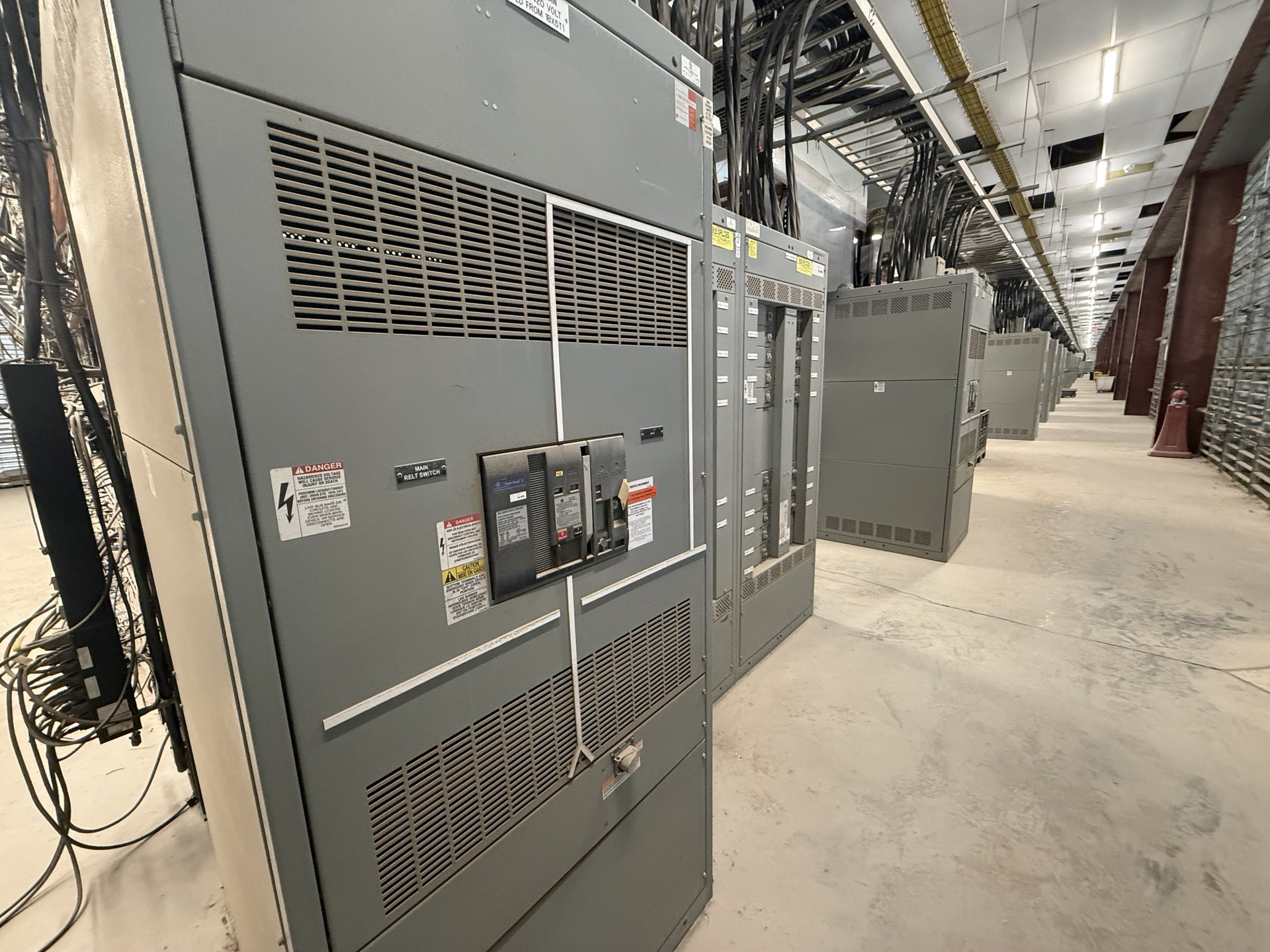
Owners with surplus electrical equipment in Bay County, Michigan can request a buyer-only review without first moving the assets. An inquiry can cover an individual assembly or a group in different spaces. The buyer considers the actual equipment and the practical details of its release and site access.
A panelboard distributes electricity to branch circuits and may be a standalone surplus item or one part of a larger group. The enclosure, installed devices and available identification all help describe it. A panelboard and a large switchgear lineup are not interchangeable just because both distribute electrical power.
A possible handover
A large assembly may require careful route and lifting planning, especially if it is still inside a building. Existing dimensions, a general description of access and any known site restrictions help the buyer assess the job. Crane work, rigging, loading, hauling and freight are handled by the buyer, not the seller.
The boundary of the proposed sale is worth settling early. An owner may want to keep some devices, records or accessories while offering the main assembly. Sharing that distinction helps the buyer review the right assets and avoids assuming that everything in the same room belongs to the lot.
Information already on hand
Existing panelboard information might include its manufacturer, enclosure, voltage and current markings and whether branch devices are included. If several panels are offered, a short itemized list is clearer than assuming they are identical. Unknown ratings or missing covers can simply be reported as unknown or missing.
Existing asset lists, project documents and exterior photographs can help identify what the owner intends to sell. Useful details may include manufacturer, model, ratings, quantities and the general location of each group. Share only what is already known or safely accessible; an incomplete list is a reasonable starting point for a conversation.
What affects an offer
The buyer can review equipment without a seller’s certificate of operation. Useful context may include known damage, whether the item was used or stored, and any missing parts. Do not guess at details that are unavailable: an accurate statement that condition is unknown is more useful than an unsupported assurance.
A proposed cash offer reflects a review of the assets and transaction details rather than a fixed price based on a label. The contents, available records, known condition, release schedule and site access can matter. The buyer may accept or decline an opportunity; any agreement is made with the authorized seller.
Qualified removal and safety
We buy equipment of all voltage classes and buy switchgear from decommissioned data centers and shut-down power plants. On an agreed purchase, the buyer takes care of necessary disconnects, removal, cranes, rigging, loading, hauling and freight through qualified personnel. The seller is not expected to test, move, load or ship anything.
Leave electrical operations and removal to qualified personnel working for the buyer. The owner does not need to energize, test, disconnect or open equipment for an offer. If an identifying detail cannot be obtained safely, it can be reported as unknown rather than investigated.
Collection arrangements
Known site restrictions, an approximate release window and existing equipment dimensions help frame the pickup discussion. The buyer reviews the circumstances before the parties agree on a collection plan. On an agreed purchase, the buyer arranges the necessary physical work, loading, hauling and freight.
The owner may have a deadline for clearing a space or completing a property handover. The buyer can consider that information during review, along with any access rules. Timing is agreed rather than presumed, and the buyer handles collection and covered freight for the purchased assets.
How to begin
An initial description lets the buyer review the equipment and any known access or timing considerations. A cash offer may be made after that review; the parties decide whether to agree to a purchase. For an agreed transaction, payment is upfront, and the buyer covers freight.
There is no need to assemble a perfect inventory before asking. Describe the proposed assets, identify an authorized contact and mention any known deadline. The buyer reviews the available facts; following an agreed purchase, payment is upfront and qualified buyer personnel do the physical work.