THE DETAILS CITIES
Explore a buyer-only route for surplus switchgear and electrical equipment in Taylor, Michigan, including offer details and pickup planning.
A practical local sale
If you have surplus electrical equipment in Taylor, Michigan, you can ask for a buyer-only review of the assets you intend to release. Equipment may be in place at a facility or held in storage. An inquiry can cover a single lineup or a group of different distribution assets, based on what the owner wants to sell.
A unit substation generally combines a transformer with associated distribution or switching equipment in an arrangement that serves a facility. Individual assemblies vary, so the owner should describe which sections are included. The transformer and associated gear may be offered together or as distinct assets, depending on the owner’s intended sale.
Example: planning the release
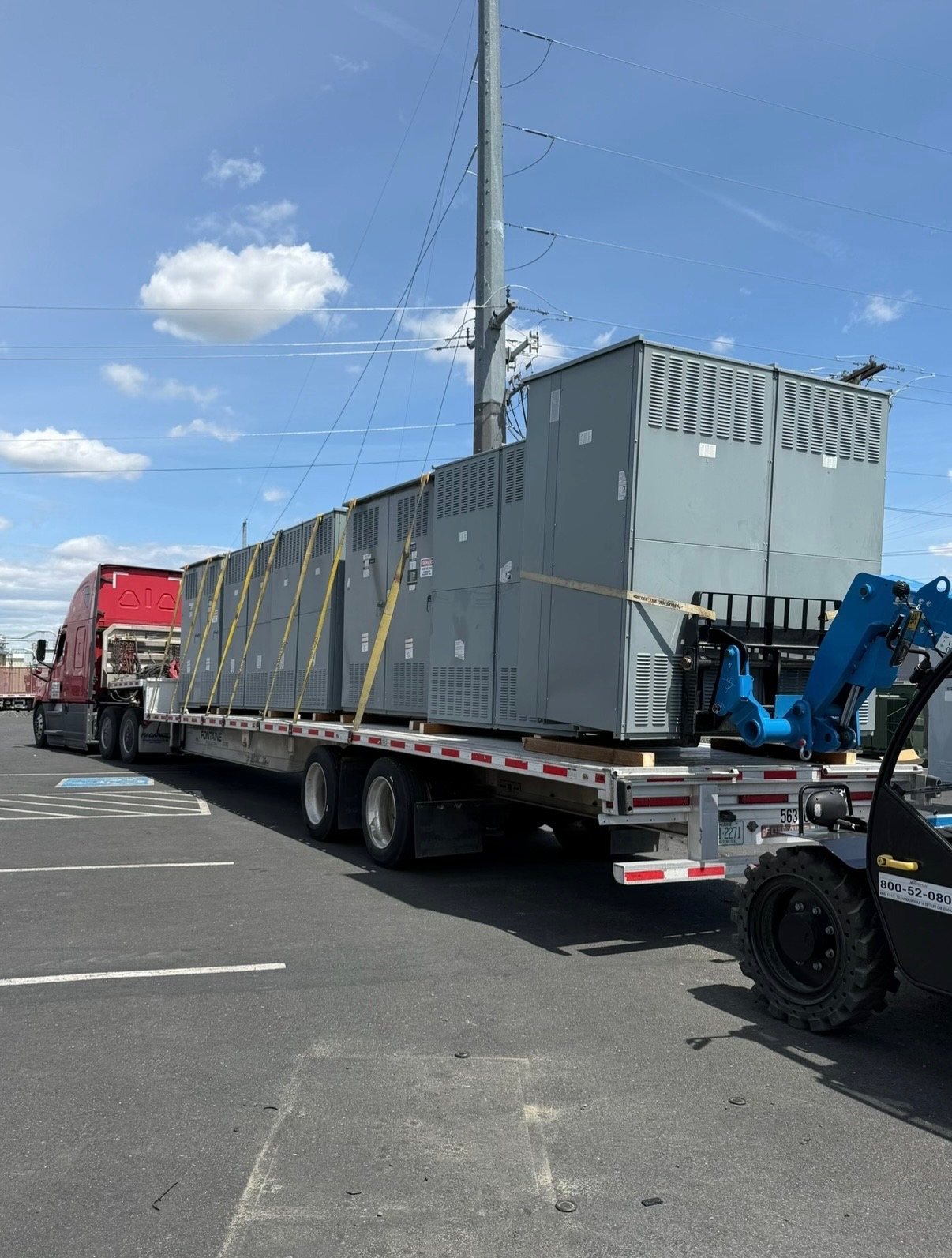
A large assembly may require careful route and lifting planning, especially if it is still inside a building. Existing dimensions, a general description of access and any known site restrictions help the buyer assess the job. Crane work, rigging, loading, hauling and freight are handled by the buyer, not the seller.
Existing project records may show items that must stay on site alongside items that can be sold. If so, distinguish the proposed sale from retained property and note where ownership is uncertain. The buyer can review the authorized assets without treating a broad project description as a complete inventory.
Identifying the equipment
Existing records can help identify the transformer, primary and secondary equipment, manufacturer markings and approximate dimensions. Note whether any sections or accessories are absent and whether the unit remains in place. If fluid or other special handling information is already known, share it for review without opening or examining the equipment.
Inventory information can be approximate at the first conversation. For example, an owner may know the number of lineups but not every component inside them. Describe the scope honestly and share existing exterior photographs when safe to do so. The buyer reviews unknowns rather than requiring seller testing.
Condition and offer review
A box labeled as a spare may have spent years in storage, and an installed unit may have an incomplete service history. Neither example proves an operating condition. Share what is already known about use, storage or visible damage so the buyer can evaluate the uncertainty as part of the offer review.
Equipment that looks similar can differ in its included components, condition and accessibility. For that reason, a review considers the actual lot and collection requirements rather than promising a value from a single detail. The owner remains free to consider the offer; a request is not an obligation to sell.
Work handled by the buyer
The buyer considers equipment of all voltage classes, including switchgear at decommissioned data centers and shut-down power plants. Once a purchase is agreed, the buyer’s qualified personnel handle the required disconnects, removal, crane and rigging work, loading and hauling. Freight is covered by the buyer; the seller does no testing or physical work.
A photo is optional and should only be taken from a safe, authorized location. Do not manipulate devices or remove covers for a better view. The buyer’s qualified personnel handle necessary disconnects and removal, working with the authorized site contact and the applicable site procedures.
Site access and collection
Collection can require planning around site access, doorways, work areas or the timing of a property handover. Share any existing information about those constraints so the buyer can review them with the assets. The buyer handles the physical logistics, including qualified labor, loading and transport; the seller need not stage the equipment.
The owner or an authorized contact can explain how access approval works and identify any deadline already known. That communication does not transfer the labor to the seller. A purchase and collection schedule are agreed after review, rather than assumed from the first message.
Requesting a cash offer
The buyer first reviews what is offered and the associated site details. A cash offer may follow, subject to that review and agreement on the transaction; the seller can decide whether to accept. For an agreed purchase, the seller is paid upfront, and the buyer covers freight.
A first conversation can begin with the equipment type, location and the owner’s intended release. Safely accessible existing photos or records can help but are not a demand to enter an unsafe area. The buyer handles the agreed work, and the seller does not perform testing or physical removal.