THE DETAILS VOLTAGE & AMP RATINGS
Explore selling surplus electrical equipment marked 600-volt in Michigan, with clear identification and offer planning.
What the marking tells you
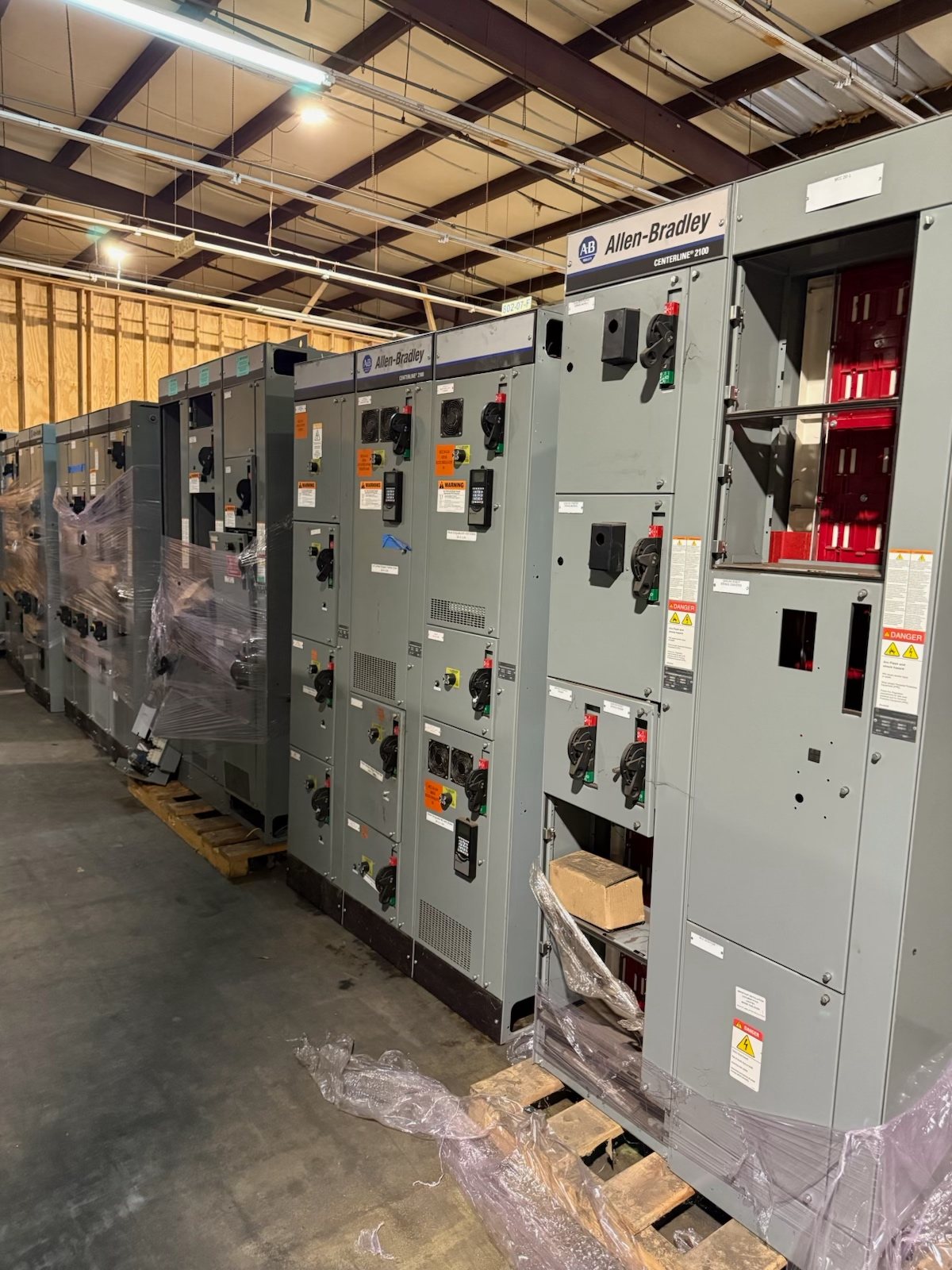
A Michigan owner can inquire about 600-volt electrical distribution equipment whether it is still in place or already in storage. The rating provides one useful clue, but it is only part of the description. The buyer reviews the actual equipment, available information and collection requirements before deciding whether to make an offer.
A 600-volt marking describes voltage information, not the complete capability or condition of an assembly. The manufacturer’s full label and the way the rating is stated are important context. Do not infer current rating, interrupting rating, configuration or suitability for another installation from the voltage number alone.
Details beyond one rating
An existing nameplate or asset record may show additional voltage, current and other markings. Keep the information attached to the particular assembly or device it describes; a neighboring component may carry different ratings. A missing label can be noted as unknown, and no seller measurements or testing are required.
Inventory information can be approximate at the first conversation. For example, an owner may know the number of lineups but not every component inside them. Describe the scope honestly and share existing exterior photographs when safe to do so. The buyer reviews unknowns rather than requiring seller testing.
The proposed sale
When an existing label lists several values, keep the voltage, current and other markings associated with the correct item. A photograph of a safely accessible exterior label or an existing record can be useful. Do not open an enclosure, take measurements or perform a test to fill in a missing value.
When several groups are involved in a project, a clear contact for the proposed sale can make the handover easier to discuss. The buyer coordinates its own qualified personnel and physical work with the authorized site representative. The seller is not responsible for disconnecting or transporting the equipment.
Condition and offer review
The buyer can review equipment without a seller’s certificate of operation. Useful context may include known damage, whether the item was used or stored, and any missing parts. Do not guess at details that are unavailable: an accurate statement that condition is unknown is more useful than an unsupported assurance.
The buyer considers the equipment itself and the practical work needed to collect it. Quantity, identifying information, completeness, condition, access and timing can all affect the review. An inquiry does not guarantee an offer for every item or a particular amount, and the seller can decide whether to accept a proposed purchase.
Qualified work and safety
Equipment of all voltage classes, from lower to higher voltage, is within our buying scope. We also buy switchgear from shut-down power plants and decommissioned data centers. After a purchase is agreed, our qualified personnel handle necessary disconnects, removal, crane work, rigging, loading, hauling and covered freight, with no seller testing or physical labor.
There is no reason for an owner to operate equipment or expose its interior to request an offer. Use only existing records and information that can be obtained safely. The buyer’s qualified personnel handle the necessary electrical disconnects and physical removal in coordination with the authorized site representative.
Access and freight
For a large or awkward assembly, collection planning may involve lifting equipment and space to maneuver. A seller can mention known access restrictions without finding a carrier or arranging a crane. The buyer handles required rigging, loading and hauling with qualified personnel and covers freight.
If site rules or another contractor’s schedule affect access, mention them during the discussion. The buyer coordinates its qualified personnel with the authorized site representative and handles the removal work. The seller is not required to hire a crew, package equipment or book a carrier.
Request an offer
An inquiry is a request for review, not an automatic purchase. The buyer considers the available information and may make a cash offer, with the details agreed by the authorized seller. On an agreed purchase, payment is upfront; the buyer covers freight and handles the necessary physical work.
When you are ready, share what is available and any records you already have. If a rating or condition is uncertain, simply say so. The buyer reviews the opportunity and, if a purchase is agreed, pays upfront and handles the qualified removal work and freight.