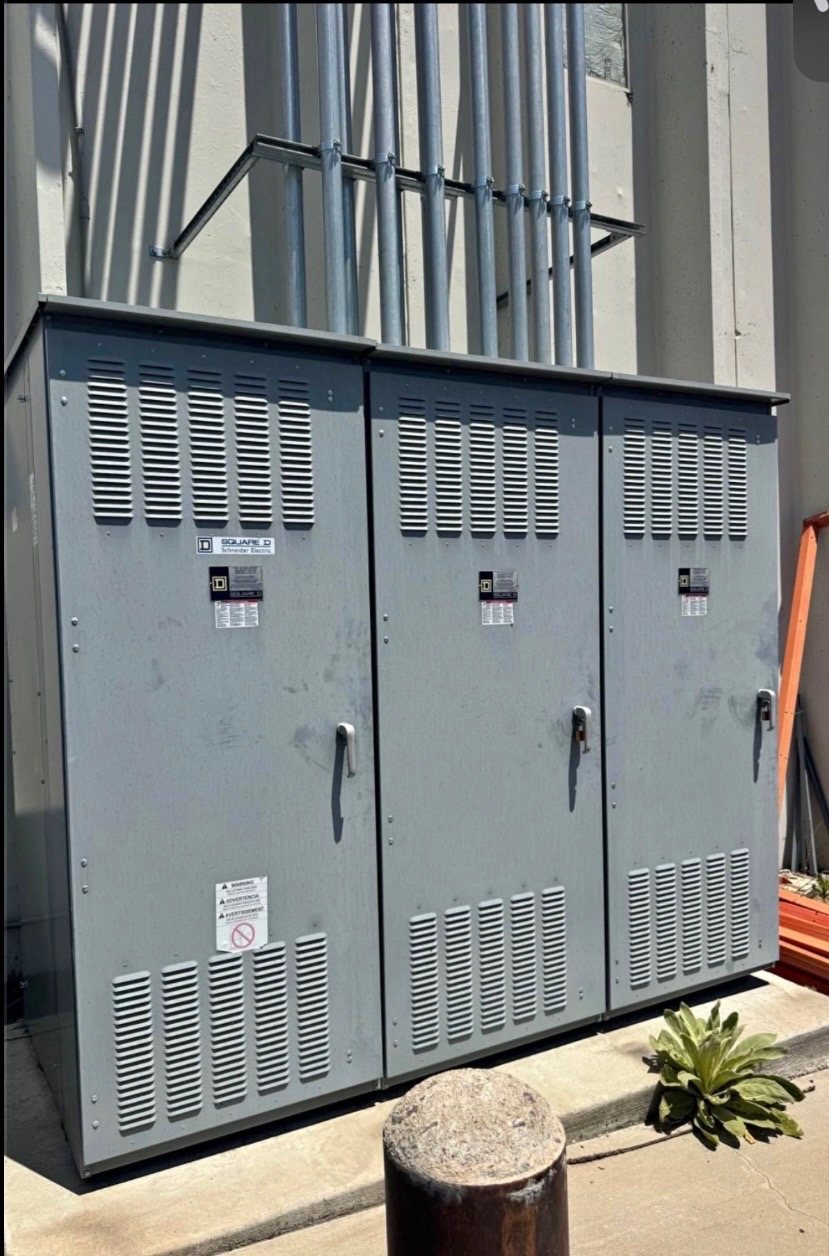
THE DETAILS VOLTAGE & AMP RATINGS
Explore selling surplus electrical equipment marked 600-volt in Michigan, with clear identification and offer planning.
What the marking tells you
A Michigan owner can inquire about 600-volt electrical distribution equipment whether it is still in place or already in storage. The rating provides one useful clue, but it is only part of the description. The buyer reviews the actual equipment, available information and collection requirements before deciding whether to make an offer.
A 600-volt marking describes voltage information, not the complete capability or condition of an assembly. The manufacturer’s full label and the way the rating is stated are important context. Do not infer current rating, interrupting rating, configuration or suitability for another installation from the voltage number alone.
Details beyond one rating
An existing nameplate or asset record may show additional voltage, current and other markings. Keep the information attached to the particular assembly or device it describes; a neighboring component may carry different ratings. A missing label can be noted as unknown, and no seller measurements or testing are required.
The most useful inventory is one that describes the property being offered, not every item on a project. Available manufacturer markings, quantities and a broad location can help. When one figure refers to a component rather than the complete assembly, preserve that distinction and leave uncertain fields blank.
The proposed sale
The rating does not determine when an asset becomes available or how it can be moved. Existing project records may identify the release date, ownership and access restrictions for each assembly. The buyer coordinates necessary disconnects and removal through qualified personnel after the parties agree on the purchase.
It is reasonable to start the conversation before every detail of a project is finalized. Share the intended scope and any timing that is already known, while identifying plans that may change. The buyer reviews those details before making an offer and agrees the collection arrangements with the authorized seller.
Condition and offer review
A description of condition should distinguish known facts from assumptions. For example, a stored spare may be unused, but its packaging and storage history can still matter. The buyer can review unknowns as part of the inquiry; no operating test or seller-conducted troubleshooting is required.
Equipment that looks similar can differ in its included components, condition and accessibility. For that reason, a review considers the actual lot and collection requirements rather than promising a value from a single detail. The owner remains free to consider the offer; a request is not an obligation to sell.
Qualified work and safety
We buy equipment of all voltage classes and buy switchgear from decommissioned data centers and shut-down power plants. On an agreed purchase, the buyer takes care of necessary disconnects, removal, cranes, rigging, loading, hauling and freight through qualified personnel. The seller is not expected to test, move, load or ship anything.
Electrical safety is handled as part of the buyer’s professional work, not as a task for the seller. Do not try to operate equipment, open a panel or collect information from an unsafe position. Qualified buyer personnel coordinate the necessary disconnects and removal with the site’s authorized representative.
Access and freight
A useful handover discussion covers where the assets are, who can grant access and when they can be released. Existing dimensions and known obstacles can also inform the plan. The buyer handles any required crane work, rigging, loading and hauling rather than assigning those jobs to the seller.
If equipment ownership or access is controlled by more than one party, identify the authorized contact for the proposed sale. The buyer can then discuss the practical handover and coordinate its personnel. Identifying a contact is not a requirement for the seller to disconnect, load or transport the equipment.
Request an offer
An initial description lets the buyer review the equipment and any known access or timing considerations. A cash offer may be made after that review; the parties decide whether to agree to a purchase. For an agreed transaction, payment is upfront, and the buyer covers freight.
You can begin with the equipment type, approximate quantity, site location and an authorized contact, adding existing photos or records if convenient. Unknown details can remain unknown. There is no need to test, disconnect, move or load anything: after agreement, the seller’s part is to receive payment.