THE DETAILS EQUIPMENT
Sell electrical circuit breaker in Michigan. Review retired electrical equipment considerations, documentation, cash offers and freight coordination.
Understanding the asset
An owner considering selling electrical circuit breakers in Michigan can start with a description of the actual assets and the proposed release. The equipment may be installed, in storage or part of a mixed lot. The buyer reviews what is offered rather than assuming that similarly named items are alike.
An electrical circuit breaker is a protective switching device, and the term covers many different sizes and constructions. A loose spare, a removed breaker and a device included within a larger assembly are different sale items. Describe how many are offered and the configuration if it is already known.
The situation behind the sale
Retired means that an asset is no longer intended for its former role; it does not establish that it works or that every part is present. Explain what is known about its history and whether it remains installed. Unknown condition can be disclosed without arranging tests or making technical claims.
When several groups are involved in a project, a clear contact for the proposed sale can make the handover easier to discuss. The buyer coordinates its own qualified personnel and physical work with the authorized site representative. The seller is not responsible for disconnecting or transporting the equipment.
Details that identify the lot
For breakers, existing labels may identify the manufacturer, model, voltage and current markings, and other ratings. A device label should not be assumed to describe an entire lineup. Keep any available list of loose devices separate from the equipment in which other breakers remain installed, and identify unknown details honestly.
A short list can identify individual equipment groups and note which are installed and which are stored, if that information is already known. Existing labels or project records add context. The buyer can ask about gaps; the seller is not expected to make technical determinations or certify the contents.
Condition and purchase review
Be direct about the state of the lot as it is known. An assembly may be used, unused, incomplete, stored or still installed; none of those labels alone proves its present operating condition. Known damage and missing information can be disclosed without arranging a test or making claims beyond the records.
The scope of the sale influences the review: a complete lineup, a few sections and loose devices are not necessarily the same proposition. So do known condition, site access and the timing of release. The buyer can make a cash offer following review, but there is no promise to purchase every asset.
What the buyer handles
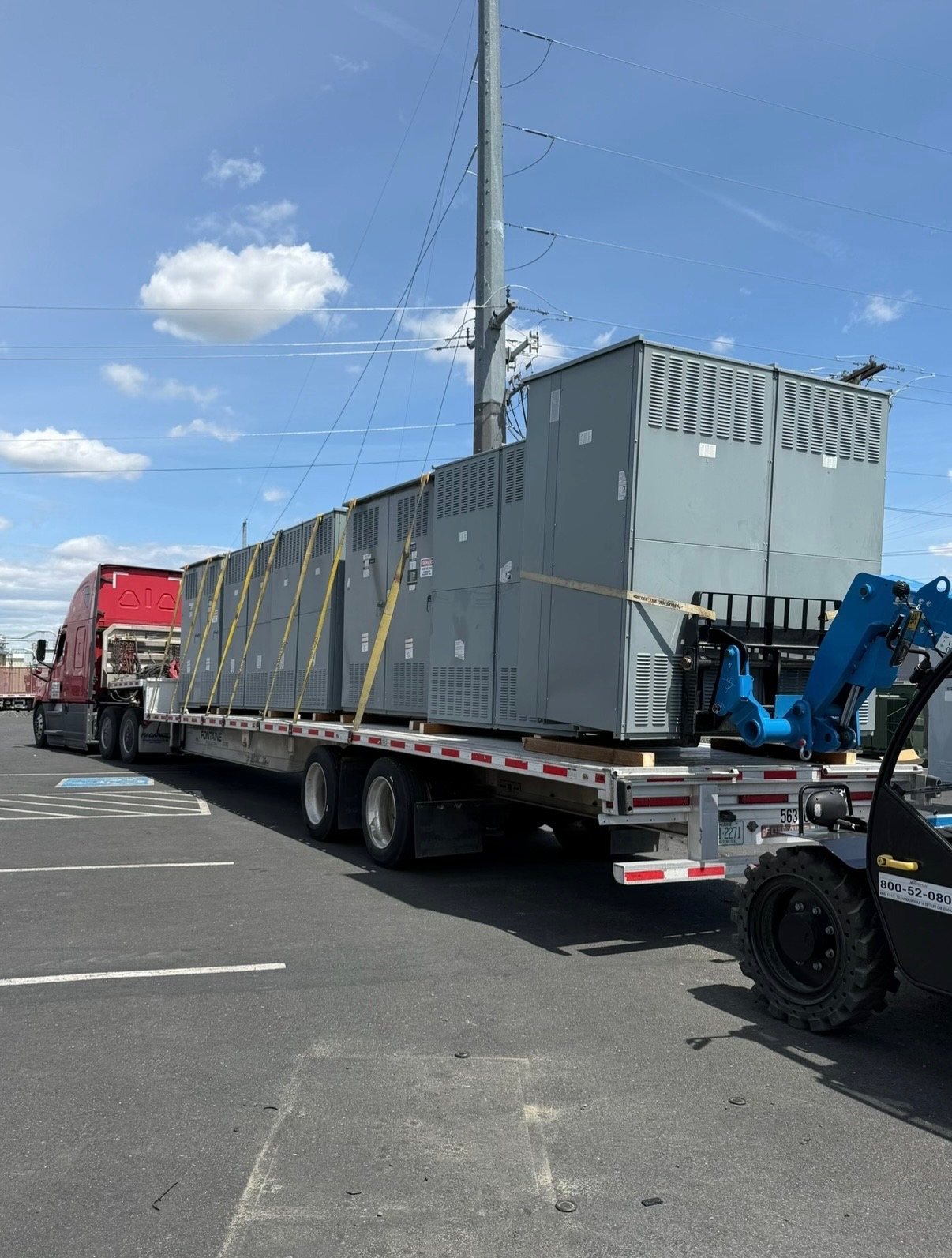
All voltage classes are within the buying scope, including switchgear from shut-down power plants and decommissioned data centers. After an agreement, the buyer’s qualified personnel handle necessary disconnects, removal, crane work, rigging, loading, freight and hauling. The buyer covers freight; the seller does no testing or physical removal work.
Leave electrical operations and removal to qualified personnel working for the buyer. The owner does not need to energize, test, disconnect or open equipment for an offer. If an identifying detail cannot be obtained safely, it can be reported as unknown rather than investigated.
Planning access and freight
If known, the equipment location, access windows, approximate size and building restrictions can help the buyer plan the work. Large or awkward pieces may need special lifting or a coordinated route. The buyer arranges qualified crews and equipment, including cranes and rigging where needed, and handles loading and hauling.
Different pieces may be available at different times. A known sequence or release window can be discussed before the purchase is agreed, even if some details remain unsettled. Qualified buyer personnel handle the actual physical work; the seller is not asked to stage or ship the equipment.
From inquiry to payment
An initial description lets the buyer review the equipment and any known access or timing considerations. A cash offer may be made after that review; the parties decide whether to agree to a purchase. For an agreed transaction, payment is upfront, and the buyer covers freight.
If you have an existing list or a few safely accessible exterior photos, those can accompany the inquiry; a short description also works. Include any known deadline and identify who can authorize the sale. The seller does no testing or physical work, and the buyer plans the agreed collection after upfront payment.