THE DETAILS EQUIPMENT
Sell electrical circuit breaker in Michigan. Review shipping and freight considerations, documentation, cash offers and freight coordination.
Understanding the asset
An owner considering selling electrical circuit breakers in Michigan can start with a description of the actual assets and the proposed release. The equipment may be installed, in storage or part of a mixed lot. The buyer reviews what is offered rather than assuming that similarly named items are alike.
An electrical circuit breaker is a protective switching device, and the term covers many different sizes and constructions. A loose spare, a removed breaker and a device included within a larger assembly are different sale items. Describe how many are offered and the configuration if it is already known.
The situation behind the sale
Transport planning starts with the actual location and any known limitations, such as an access window or an unusually large assembly. Existing dimensions can help if available, but the seller does not need to package, load or ship the equipment. The buyer handles rigging, loading, hauling and freight.
A mixed inventory does not need to be sorted physically before it can be discussed. An existing list or a general description can distinguish assemblies from loose parts and identify items that are not for sale. The buyer handles the agreed collection instead of asking the owner to stage the inventory.
Details that identify the lot
For breakers, existing labels may identify the manufacturer, model, voltage and current markings, and other ratings. A device label should not be assumed to describe an entire lineup. Keep any available list of loose devices separate from the equipment in which other breakers remain installed, and identify unknown details honestly.
Inventory information can be approximate at the first conversation. For example, an owner may know the number of lineups but not every component inside them. Describe the scope honestly and share existing exterior photographs when safe to do so. The buyer reviews unknowns rather than requiring seller testing.
Condition and purchase review
The buyer can review equipment without a seller’s certificate of operation. Useful context may include known damage, whether the item was used or stored, and any missing parts. Do not guess at details that are unavailable: an accurate statement that condition is unknown is more useful than an unsupported assurance.
The scope of the sale influences the review: a complete lineup, a few sections and loose devices are not necessarily the same proposition. So do known condition, site access and the timing of release. The buyer can make a cash offer following review, but there is no promise to purchase every asset.
What the buyer handles
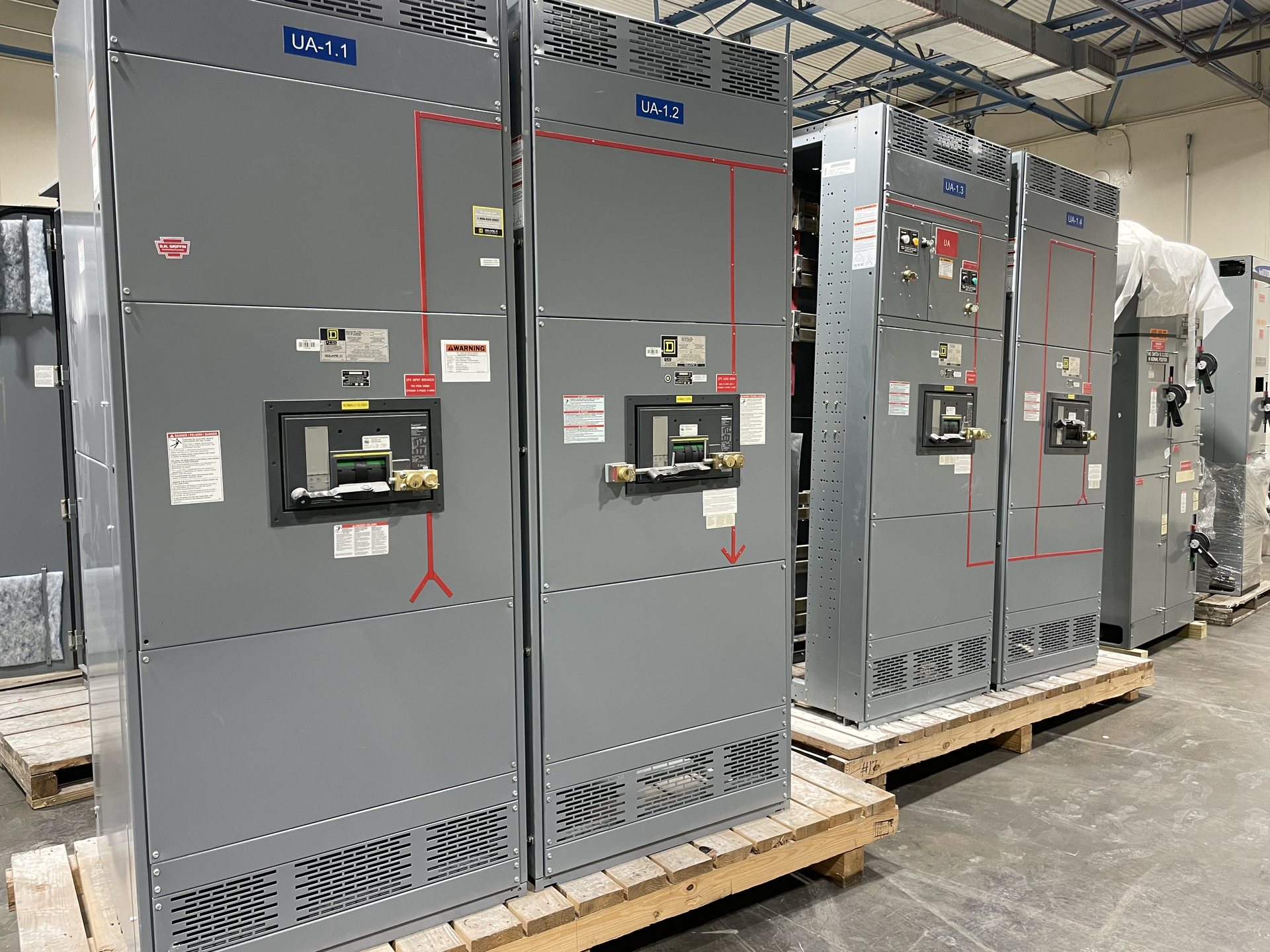
All voltage classes are considered, including switchgear from decommissioned data centers and shut-down power plants. On an agreed purchase, qualified buyer personnel perform the needed disconnects, removal, crane and rigging work, loading and hauling. We cover freight; the seller does not test the equipment or perform the physical work.
The seller is not asked to prove the equipment works or prepare it for removal. Do not open an enclosure, touch electrical parts or enter an unsafe area to identify it. The buyer uses qualified personnel to coordinate and perform the necessary electrical work and physical removal.
Planning access and freight
A useful handover discussion covers where the assets are, who can grant access and when they can be released. Existing dimensions and known obstacles can also inform the plan. The buyer handles any required crane work, rigging, loading and hauling rather than assigning those jobs to the seller.
If another party controls a building or a portion of the site, identify the appropriate contact when known. The buyer can discuss the access process and coordinate its removal work. The owner does not have to load a truck, supply a crane or book freight.
From inquiry to payment
Start with the information at hand and the proposed release. The buyer reviews the assets and may present a cash offer; an offer and acceptance depend on the equipment and transaction details. Once a purchase is agreed, payment is upfront, and freight is covered by the buyer.
A first conversation can begin with the equipment type, location and the owner’s intended release. Safely accessible existing photos or records can help but are not a demand to enter an unsafe area. The buyer handles the agreed work, and the seller does not perform testing or physical removal.