THE DETAILS BRANDS
Learn what to share when selling Cutler-Hammer electrical distribution equipment in Michigan and how an offer and freight may be arranged.
Start with the actual equipment
An owner with Cutler-Hammer electrical distribution equipment in Michigan can request a buyer-only review of the assets actually available for sale. The manufacturer name is a starting point for identification, not a substitute for the equipment type, condition or contents of the lot. Complete records are helpful when they already exist, but they are not required to begin.
The name Cutler-Hammer may be useful for identifying an item, but equipment type and individual markings still matter. A lot can contain one assembly, loose devices or equipment from several manufacturers. The name is used here only to identify equipment; it does not imply affiliation with or endorsement by the manufacturer.
Manufacturer and asset records
An existing inventory or exterior label may show a product line, model or rating. Keep those details with the item they identify instead of assigning them to the entire lot. If the lineup includes loose devices or components with different markings, describe each group separately where the information is already available.
Inventory information can be approximate at the first conversation. For example, an owner may know the number of lineups but not every component inside them. Describe the scope honestly and share existing exterior photographs when safe to do so. The buyer reviews unknowns rather than requiring seller testing.
The sale situation
A closure may involve several equipment owners and different project release dates. An authorized representative can identify what is included in the proposed sale and what is retained. The manufacturer name is one inventory detail; ownership, access and the condition of the actual assets also matter to the review.
It is reasonable to start the conversation before every detail of a project is finalized. Share the intended scope and any timing that is already known, while identifying plans that may change. The buyer reviews those details before making an offer and agrees the collection arrangements with the authorized seller.
Reviewing condition and value
Unknown history is not the same as a claim that equipment has failed. Equally, a clean exterior or a complete-looking lineup is not proof that it works. A seller can describe the facts available, note missing components and let the buyer review the equipment without seller-conducted tests.
The proposed lot and its release conditions form the basis of the buyer’s review. Available records, known condition and practical site access help explain that opportunity. A cash offer may be made after review, but the buyer does not promise that every asset has value or will be purchased.
Buyer-handled work
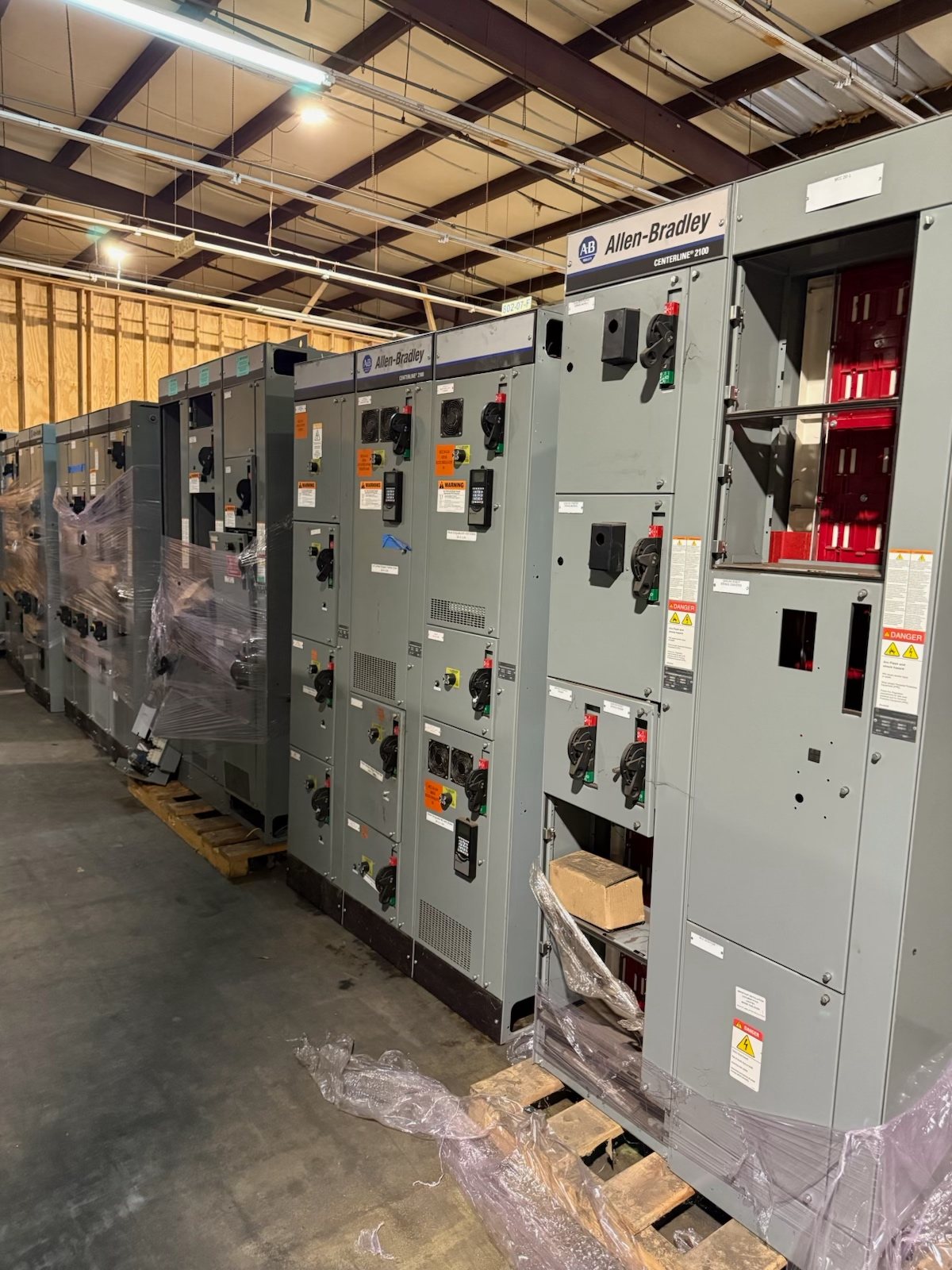
The buyer considers equipment of all voltage classes, including switchgear at decommissioned data centers and shut-down power plants. Once a purchase is agreed, the buyer’s qualified personnel handle the required disconnects, removal, crane and rigging work, loading and hauling. Freight is covered by the buyer; the seller does no testing or physical work.
Electrical safety is handled as part of the buyer’s professional work, not as a task for the seller. Do not try to operate equipment, open a panel or collect information from an unsafe position. Qualified buyer personnel coordinate the necessary disconnects and removal with the site’s authorized representative.
Coordinating the handover
If known, the equipment location, access windows, approximate size and building restrictions can help the buyer plan the work. Large or awkward pieces may need special lifting or a coordinated route. The buyer arranges qualified crews and equipment, including cranes and rigging where needed, and handles loading and hauling.
The owner or an authorized contact can explain how access approval works and identify any deadline already known. That communication does not transfer the labor to the seller. A purchase and collection schedule are agreed after review, rather than assumed from the first message.
Cash offer and payment
An initial description lets the buyer review the equipment and any known access or timing considerations. A cash offer may be made after that review; the parties decide whether to agree to a purchase. For an agreed transaction, payment is upfront, and the buyer covers freight.
If you have an existing list or a few safely accessible exterior photos, those can accompany the inquiry; a short description also works. Include any known deadline and identify who can authorize the sale. The seller does no testing or physical work, and the buyer plans the agreed collection after upfront payment.