THE DETAILS BRANDS
Learn what to share when selling Eaton electrical distribution equipment in Michigan and how an offer and freight may be arranged.
Start with the actual equipment
An owner with Eaton electrical distribution equipment in Michigan can request a buyer-only review of the assets actually available for sale. The manufacturer name is a starting point for identification, not a substitute for the equipment type, condition or contents of the lot. Complete records are helpful when they already exist, but they are not required to begin.
The name Eaton may be useful for identifying an item, but equipment type and individual markings still matter. A lot can contain one assembly, loose devices or equipment from several manufacturers. The name is used here only to identify equipment; it does not imply affiliation with or endorsement by the manufacturer.
Manufacturer and asset records
An existing inventory or exterior label may show a product line, model or rating. Keep those details with the item they identify instead of assigning them to the entire lot. If the lineup includes loose devices or components with different markings, describe each group separately where the information is already available.
Records gathered for ordinary asset management may be enough for an initial review. A description of the type, count and location, plus any known model or rating, helps define the lot. A missing document or unreadable marking can be identified as such without opening or operating equipment.
The sale situation
Use the manufacturer and model shown in existing records when available, and distinguish those details from ratings or equipment type. A missing identifier can simply be reported as unknown. It is not necessary to open an enclosure, operate a device or enter an unsafe area to identify the lot.
Existing project records may show items that must stay on site alongside items that can be sold. If so, distinguish the proposed sale from retained property and note where ownership is uncertain. The buyer can review the authorized assets without treating a broad project description as a complete inventory.
Reviewing condition and value
Condition and completeness are separate questions. An assembly might include all known sections while its operating state is unknown, or it might be missing components despite a documented history. Report the distinction if it is known; no testing, energizing or troubleshooting is needed for an inquiry.
A complete description helps the buyer assess the scope, but it does not guarantee an offer or a particular price. Quantity, components, access, timing and uncertainty can all matter. The seller can consider any cash offer without an obligation to accept it merely because an inquiry was submitted.
Buyer-handled work
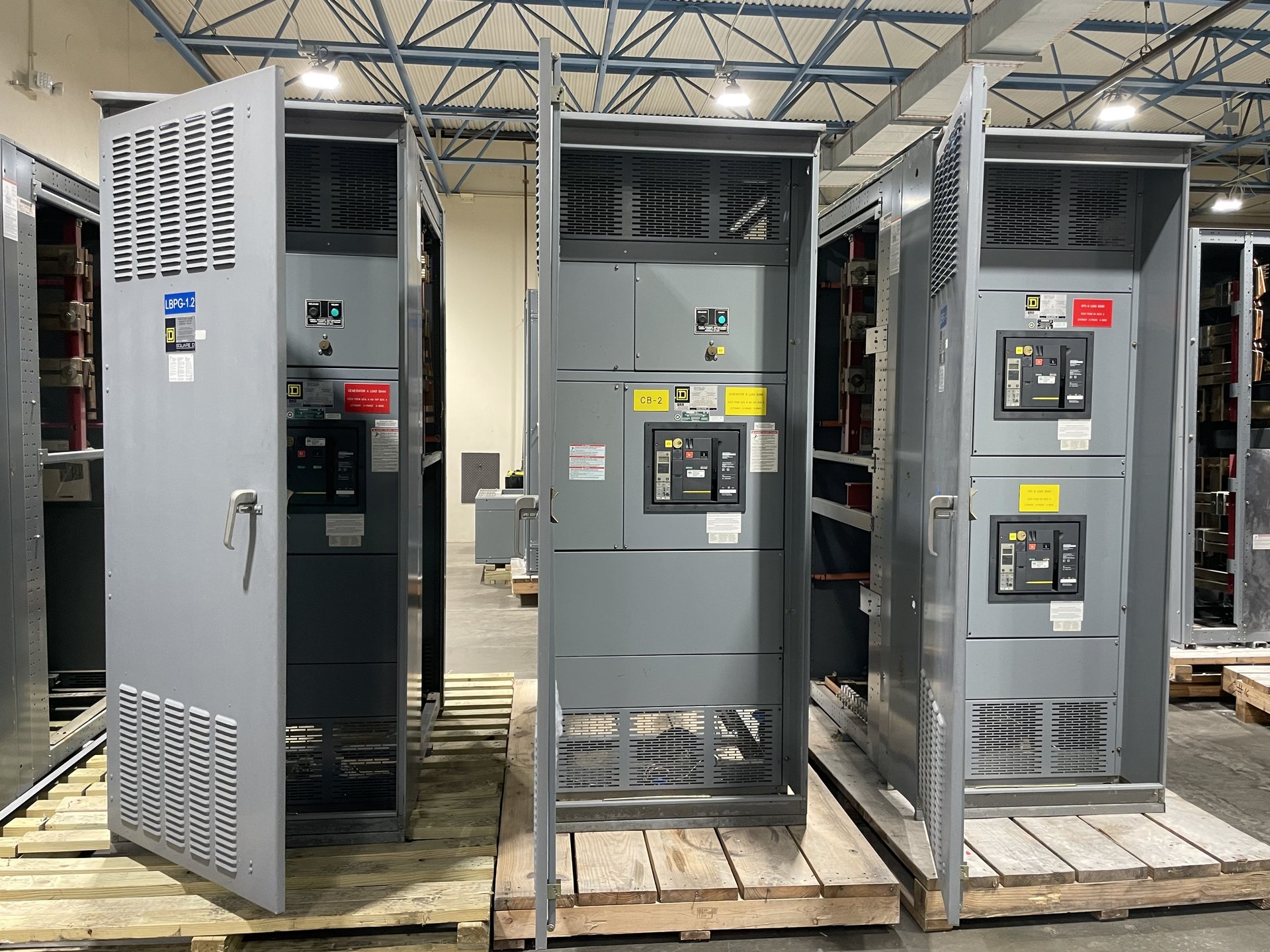
All voltage classes are considered, including switchgear from decommissioned data centers and shut-down power plants. On an agreed purchase, qualified buyer personnel perform the needed disconnects, removal, crane and rigging work, loading and hauling. We cover freight; the seller does not test the equipment or perform the physical work.
A device can present hazards even when its status is uncertain. Leave operation, necessary disconnects and removal to the buyer’s qualified personnel, coordinated with the site. Existing documents or safely accessible exterior photos are sufficient to start; a seller should not open equipment or enter unsafe areas for more detail.
Coordinating the handover
Where a lot spans several rooms or buildings, a general description of the locations helps the buyer understand the work. It is not necessary to gather the assets into one area. The buyer’s qualified personnel handle required disconnects, removal, rigging and loading, along with the freight and hauling.
A site contact can explain any entry approvals or work windows already established. That helps the buyer coordinate qualified personnel with the site, but it does not require the seller to supply labor or organize transport. The exact collection schedule is agreed as part of the transaction.
Cash offer and payment
The buyer first reviews what is offered and the associated site details. A cash offer may follow, subject to that review and agreement on the transaction; the seller can decide whether to accept. For an agreed purchase, the seller is paid upfront, and the buyer covers freight.
An existing equipment list or a brief description is a useful start. Include the general location and an authorized contact, along with any known release window. Information can remain incomplete; the buyer reviews the opportunity without asking the seller to test, disconnect, package or load the assets.