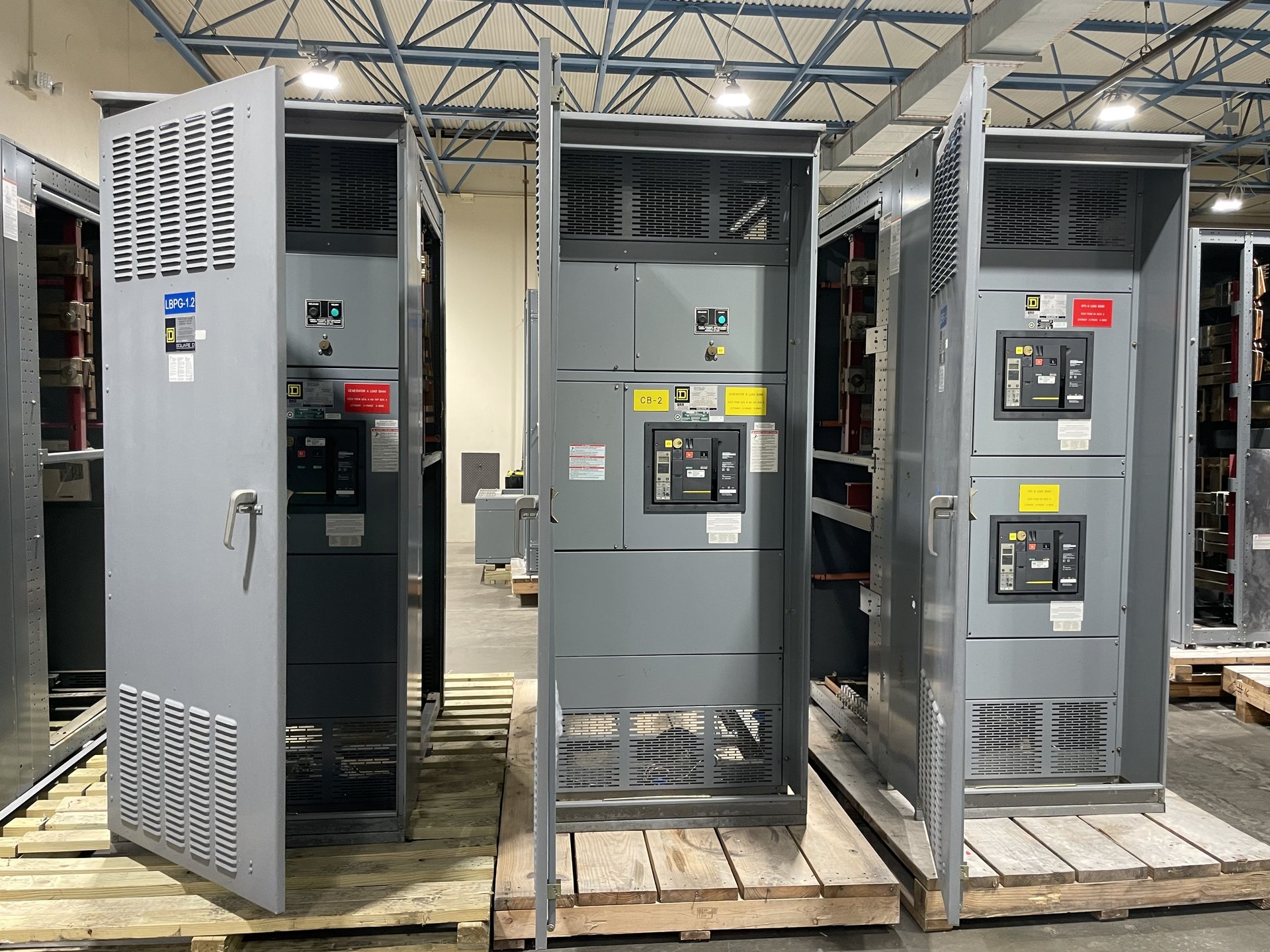
THE DETAILS EQUIPMENT
Sell automatic transfer switch (ATS) in Michigan. Review surplus equipment considerations, documentation, cash offers and freight coordination.
Understanding the asset
An owner considering selling automatic transfer switches (ATSs) in Michigan can start with a description of the actual assets and the proposed release. The equipment may be installed, in storage or part of a mixed lot. The buyer reviews what is offered rather than assuming that similarly named items are alike.
An automatic transfer switch, often called an ATS, is intended to transfer a load between power sources under the conditions for which it is designed. A used unit should be described as an identified asset, not as evidence that a backup system will operate. Its controller and enclosure may be relevant to what is included.
The situation behind the sale
A surplus description should separate an entire assembly from spare parts or individual sections. If it is unclear whether a component belongs with the lineup, mark that uncertainty. The buyer can evaluate the actual proposed lot instead of treating a broad equipment name as proof that everything is complete.
When several groups are involved in a project, a clear contact for the proposed sale can make the handover easier to discuss. The buyer coordinates its own qualified personnel and physical work with the authorized site representative. The seller is not responsible for disconnecting or transporting the equipment.
Details that identify the lot
An existing label or inventory may identify the manufacturer, ratings and model of an ATS. State whether the controller, enclosure and associated loose parts are part of the proposed sale if that information is known. An owner can describe it as untested without trying a transfer or energizing anything.
Inventory information can be approximate at the first conversation. For example, an owner may know the number of lineups but not every component inside them. Describe the scope honestly and share existing exterior photographs when safe to do so. The buyer reviews unknowns rather than requiring seller testing.
Condition and purchase review
If the history is incomplete, say so. The buyer can review an item identified as untested or a lineup with missing information, taking that uncertainty into account. Information about visible damage or missing components is helpful when already known, but the owner is not asked to perform a technical inspection.
Equipment that looks similar can differ in its included components, condition and accessibility. For that reason, a review considers the actual lot and collection requirements rather than promising a value from a single detail. The owner remains free to consider the offer; a request is not an obligation to sell.
What the buyer handles
All voltage classes are within the buying scope, including switchgear from shut-down power plants and decommissioned data centers. After an agreement, the buyer’s qualified personnel handle necessary disconnects, removal, crane work, rigging, loading, freight and hauling. The buyer covers freight; the seller does no testing or physical removal work.
Leave electrical operations and removal to qualified personnel working for the buyer. The owner does not need to energize, test, disconnect or open equipment for an offer. If an identifying detail cannot be obtained safely, it can be reported as unknown rather than investigated.
Planning access and freight
Collection can require planning around site access, doorways, work areas or the timing of a property handover. Share any existing information about those constraints so the buyer can review them with the assets. The buyer handles the physical logistics, including qualified labor, loading and transport; the seller need not stage the equipment.
The owner or an authorized contact can explain how access approval works and identify any deadline already known. That communication does not transfer the labor to the seller. A purchase and collection schedule are agreed after review, rather than assumed from the first message.
From inquiry to payment
An initial description lets the buyer review the equipment and any known access or timing considerations. A cash offer may be made after that review; the parties decide whether to agree to a purchase. For an agreed transaction, payment is upfront, and the buyer covers freight.
There is no need to assemble a perfect inventory before asking. Describe the proposed assets, identify an authorized contact and mention any known deadline. The buyer reviews the available facts; following an agreed purchase, payment is upfront and qualified buyer personnel do the physical work.