THE DETAILS SELLING SITUATIONS
Learn how to sell freight and pickup busway in Michigan and request an equipment offer with freight coordination.
Describe the actual asset
For a Michigan owner considering a sale of busway, the first step is to describe what is available and what is known about it. The asset may be an installed assembly, stored equipment or part of a larger group. The buyer reviews the actual items and the practical conditions of their release.
Busway is a power-distribution assembly using conductors enclosed in a protective housing. A surplus lot can include straight lengths, fittings, supports or other associated pieces, but the contents vary. The useful starting point is a description of the actual pieces, not an assumption that the lot forms a complete run.
Your sale circumstances
Pickup planning may depend on the size and location of the assembly and the site’s access rules. The buyer handles necessary on-site labor, loading, hauling and freight for an agreed purchase; the seller is not expected to arrange a carrier or put the equipment on a truck. Existing access details are helpful if available.
When several groups are involved in a project, a clear contact for the proposed sale can make the handover easier to discuss. The buyer coordinates its own qualified personnel and physical work with the authorized site representative. The seller is not responsible for disconnecting or transporting the equipment.
How the buyer reviews condition
The buyer can review equipment without a seller’s certificate of operation. Useful context may include known damage, whether the item was used or stored, and any missing parts. Do not guess at details that are unavailable: an accurate statement that condition is unknown is more useful than an unsupported assurance.
There is no reliable way to assign a universal price from equipment type, age or rating alone. The buyer reviews the described items along with the work and access needed for collection. An offer is subject to that review and to agreement on the purchase; the seller is not committed merely by asking.
Useful information to share
Existing inventory notes may show lengths, manufacturer, visible ratings and whether fittings or tap-off units are included. If pieces are stored apart, describe the separate groups and any packaging already present. Length and shape can influence handling, so approximate dimensions from existing records are helpful when available.
An owner may have an old schedule, purchase record or drawing that identifies the equipment. Those materials can be useful context, although the buyer must review what is actually included in the proposed sale. Where a document and the known inventory differ, note the discrepancy rather than assuming either is complete.
What the buyer handles
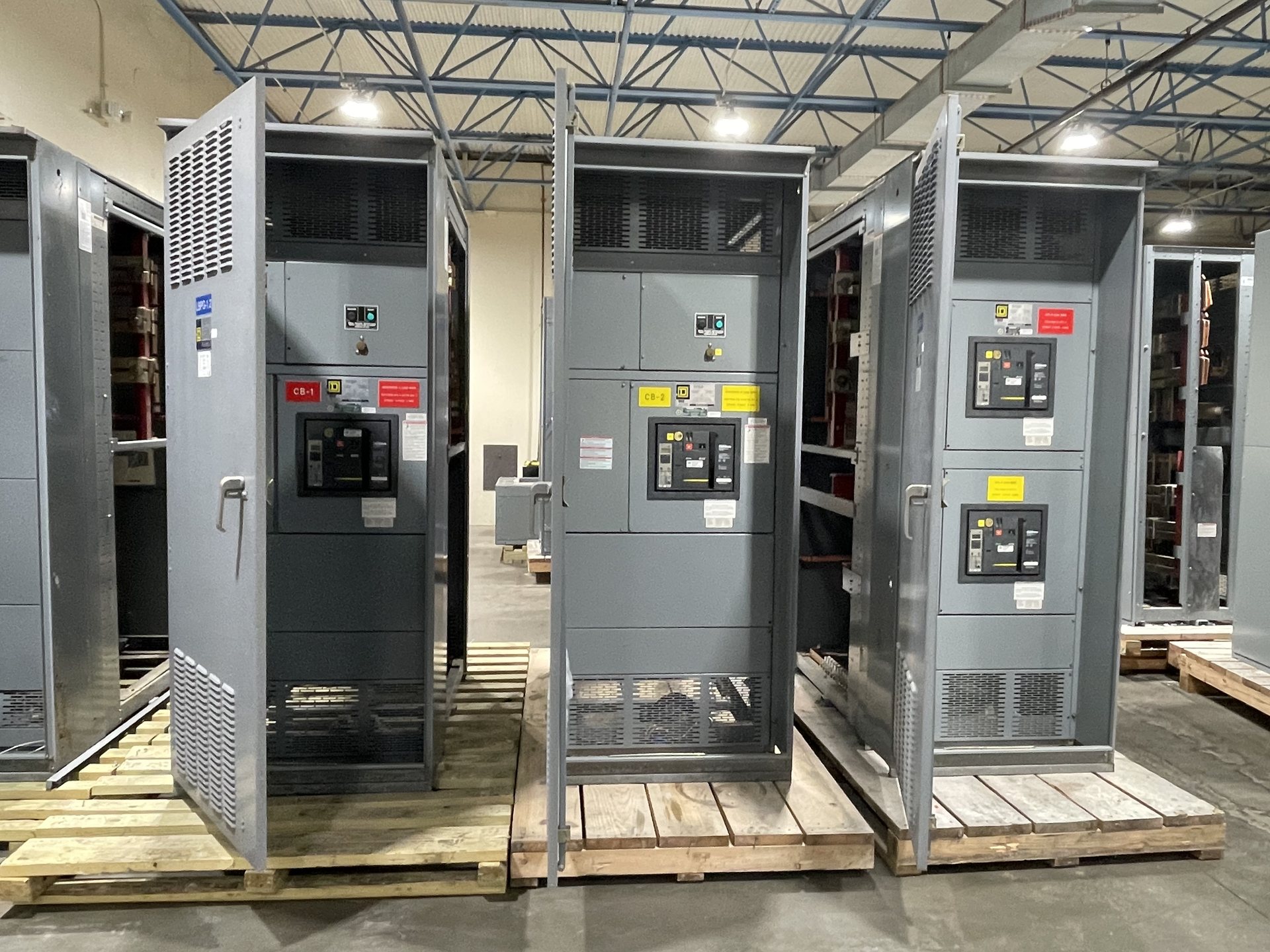
We buy electrical distribution equipment of all voltage classes, and we buy switchgear from decommissioned data centers and shut-down power plants. For an agreed purchase, our qualified personnel handle necessary disconnects, removal, crane work, rigging, loading and hauling. The buyer covers freight, and the seller does no testing or physical work.
A seller does not have to prepare equipment electrically or demonstrate that it works. Avoid operating devices, opening covers or entering unsafe areas for photographs. The buyer’s qualified personnel handle the necessary disconnects and removal, coordinating access and the work with the authorized site representative.
Preparing the collection plan
Collection can require planning around site access, doorways, work areas or the timing of a property handover. Share any existing information about those constraints so the buyer can review them with the assets. The buyer handles the physical logistics, including qualified labor, loading and transport; the seller need not stage the equipment.
A property handover, controlled entrance or limited work window may affect the collection plan. Tell the buyer what is already known, and agree the timing before work begins. The buyer handles the physical work and covered freight; the owner does not have to make the shipment ready.
Cash offer and next steps
The process is straightforward: share the available description, let the buyer review the equipment and site details, and consider any cash offer made. Offers are subject to review and the parties’ agreement; not every item is necessarily purchased. For an accepted purchase, payment is upfront, and the buyer covers freight.
When you are ready, share what is available and any records you already have. If a rating or condition is uncertain, simply say so. The buyer reviews the opportunity and, if a purchase is agreed, pays upfront and handles the qualified removal work and freight.