THE DETAILS SELLING SITUATIONS
Learn how to sell mixed-brand inventory busway in Michigan and request an equipment offer with freight coordination.
Describe the actual asset
For a Michigan owner considering a sale of busway, the first step is to describe what is available and what is known about it. The asset may be an installed assembly, stored equipment or part of a larger group. The buyer reviews the actual items and the practical conditions of their release.
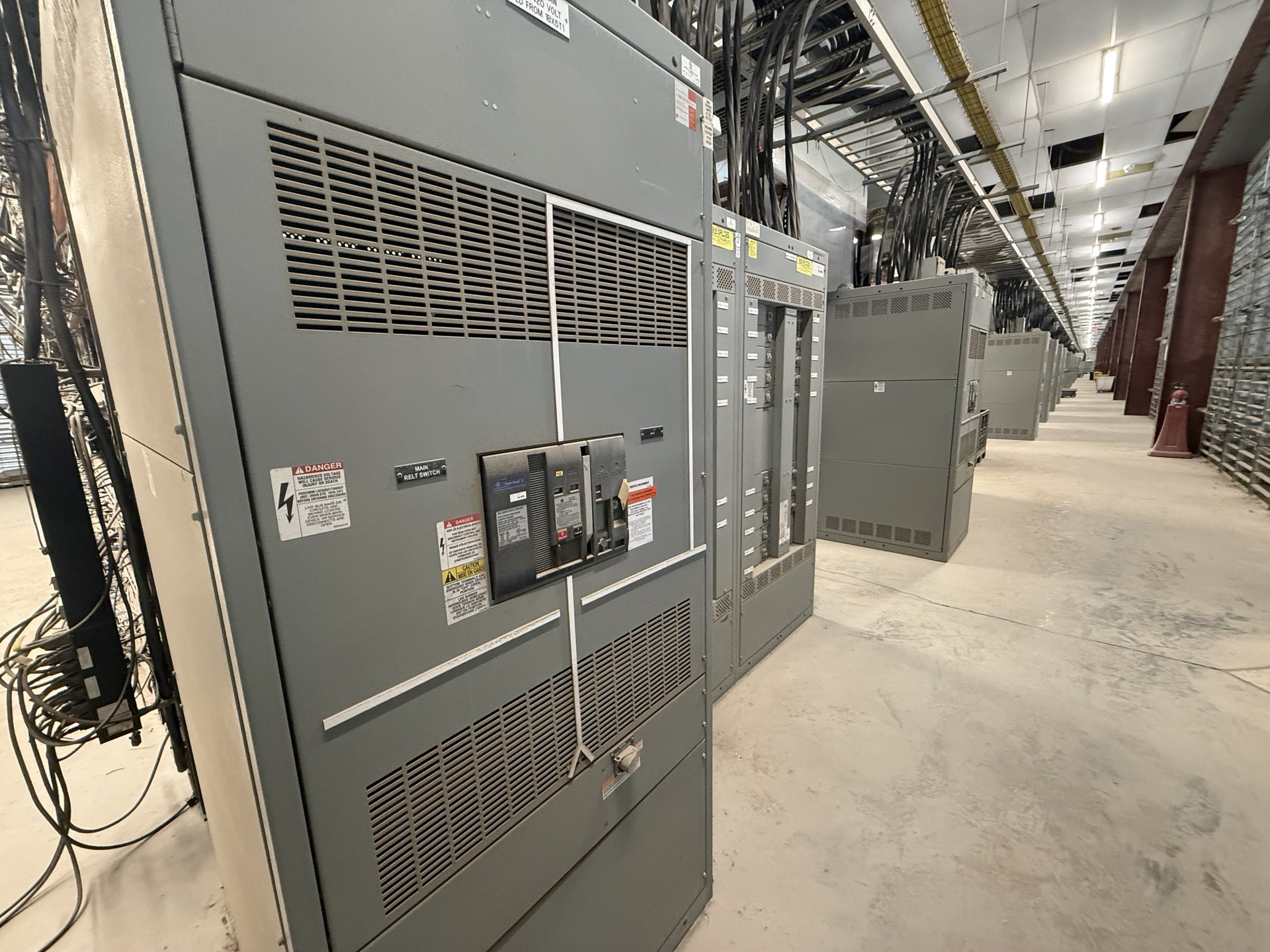
Busway is a power-distribution assembly using conductors enclosed in a protective housing. A surplus lot can include straight lengths, fittings, supports or other associated pieces, but the contents vary. The useful starting point is a description of the actual pieces, not an assumption that the lot forms a complete run.
Your sale circumstances
When several manufacturers appear in an inventory, describe the items separately where records permit. A name on one device does not establish the identity or rating of the neighboring device. The buyer can review the group as offered without requiring the seller to sort, move or test the equipment.
It is reasonable to start the conversation before every detail of a project is finalized. Share the intended scope and any timing that is already known, while identifying plans that may change. The buyer reviews those details before making an offer and agrees the collection arrangements with the authorized seller.
How the buyer reviews condition
A box labeled as a spare may have spent years in storage, and an installed unit may have an incomplete service history. Neither example proves an operating condition. Share what is already known about use, storage or visible damage so the buyer can evaluate the uncertainty as part of the offer review.
There is no reliable way to assign a universal price from equipment type, age or rating alone. The buyer reviews the described items along with the work and access needed for collection. An offer is subject to that review and to agreement on the purchase; the seller is not committed merely by asking.
Useful information to share
Existing inventory notes may show lengths, manufacturer, visible ratings and whether fittings or tap-off units are included. If pieces are stored apart, describe the separate groups and any packaging already present. Length and shape can influence handling, so approximate dimensions from existing records are helpful when available.
A short list can identify individual equipment groups and note which are installed and which are stored, if that information is already known. Existing labels or project records add context. The buyer can ask about gaps; the seller is not expected to make technical determinations or certify the contents.
What the buyer handles
We buy equipment across all voltage classes, including switchgear from decommissioned data centers and shut-down power plants. With an agreed purchase, the buyer’s qualified personnel handle required disconnects, removal, cranes, rigging, loading and hauling, and the buyer covers freight. The seller does not have to test or physically handle the equipment.
If the status of an assembly is uncertain, do not assume it is safe to approach or operate. A record or safely accessible exterior photo may be shared without opening it. For an agreed purchase, qualified buyer personnel coordinate the necessary disconnects and removal with the site.
Preparing the collection plan
A freight plan considers more than a destination. The buyer may need to coordinate access to the equipment, lifting and a route out of the site. Existing dimensions or site rules are helpful when available. The buyer handles the on-site physical work, loading, hauling and covered freight.
Where assets are released in stages, the owner can describe the planned windows if known. The buyer reviews the schedule and coordinates the necessary work; there is no promise of an immediate visit or a particular collection date before agreement. The seller does not handle the freight.
Cash offer and next steps
Start with the information at hand and the proposed release. The buyer reviews the assets and may present a cash offer; an offer and acceptance depend on the equipment and transaction details. Once a purchase is agreed, payment is upfront, and freight is covered by the buyer.
An existing equipment list or a brief description is a useful start. Include the general location and an authorized contact, along with any known release window. Information can remain incomplete; the buyer reviews the opportunity without asking the seller to test, disconnect, package or load the assets.