THE DETAILS SELLING SITUATIONS
Learn how to sell freight and pickup panelboard in Michigan and request an equipment offer with freight coordination.
Describe the actual asset
For a Michigan owner considering a sale of panelboards, the first step is to describe what is available and what is known about it. The asset may be an installed assembly, stored equipment or part of a larger group. The buyer reviews the actual items and the practical conditions of their release.
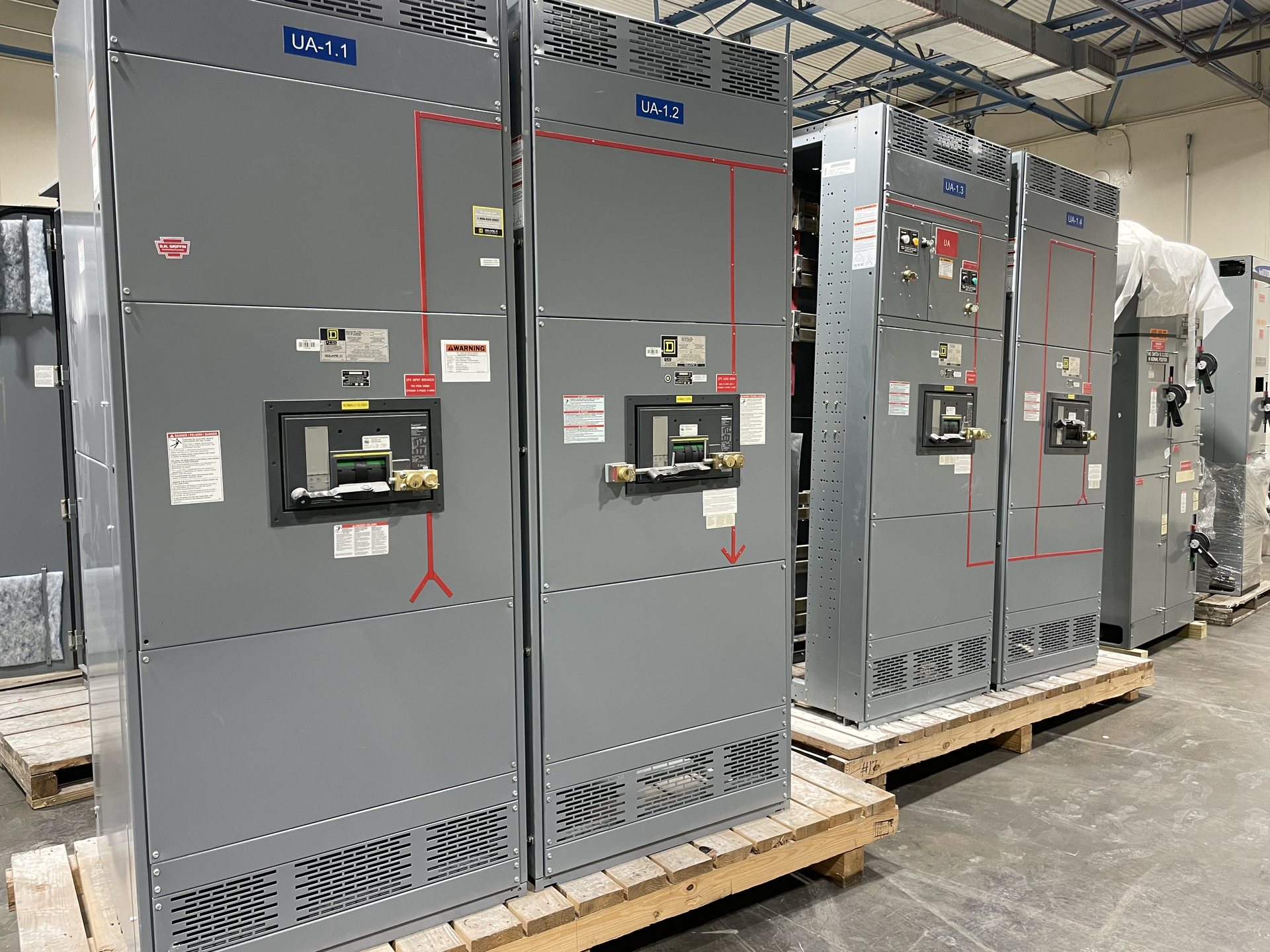
A panelboard distributes electricity to branch circuits and may be a standalone surplus item or one part of a larger group. The enclosure, installed devices and available identification all help describe it. A panelboard and a large switchgear lineup are not interchangeable just because both distribute electrical power.
Your sale circumstances
Pickup planning may depend on the size and location of the assembly and the site’s access rules. The buyer handles necessary on-site labor, loading, hauling and freight for an agreed purchase; the seller is not expected to arrange a carrier or put the equipment on a truck. Existing access details are helpful if available.
The boundary of the proposed sale is worth settling early. An owner may want to keep some devices, records or accessories while offering the main assembly. Sharing that distinction helps the buyer review the right assets and avoids assuming that everything in the same room belongs to the lot.
How the buyer reviews condition
An owner’s records might establish that an asset was removed from service, but that is different from establishing its current condition. State the known facts, including any incomplete parts or damage, and leave the rest uncertain. The buyer makes its own purchase review without requiring the seller to test the asset.
Two lots with the same equipment type can present different purchase considerations because their contents and site conditions differ. The buyer reviews known condition, documentation, quantity and the practical removal requirements. An offer is subject to that review, and the owner chooses whether to accept the terms proposed.
Useful information to share
Existing panelboard information might include its manufacturer, enclosure, voltage and current markings and whether branch devices are included. If several panels are offered, a short itemized list is clearer than assuming they are identical. Unknown ratings or missing covers can simply be reported as unknown or missing.
Inventory information can be approximate at the first conversation. For example, an owner may know the number of lineups but not every component inside them. Describe the scope honestly and share existing exterior photographs when safe to do so. The buyer reviews unknowns rather than requiring seller testing.
What the buyer handles
Our buying scope includes all voltage classes, from lower-voltage distribution equipment through higher-voltage assets. We also buy switchgear from decommissioned data centers and shut-down power plants. For an agreed purchase, our qualified personnel handle the disconnects, removal, crane work, rigging, loading, hauling and freight; the seller performs no testing or physical work.
The seller is not asked to prove the equipment works or prepare it for removal. Do not open an enclosure, touch electrical parts or enter an unsafe area to identify it. The buyer uses qualified personnel to coordinate and perform the necessary electrical work and physical removal.
Preparing the collection plan
For a large or awkward assembly, collection planning may involve lifting equipment and space to maneuver. A seller can mention known access restrictions without finding a carrier or arranging a crane. The buyer handles required rigging, loading and hauling with qualified personnel and covers freight.
Where assets are released in stages, the owner can describe the planned windows if known. The buyer reviews the schedule and coordinates the necessary work; there is no promise of an immediate visit or a particular collection date before agreement. The seller does not handle the freight.
Cash offer and next steps
The buyer first reviews what is offered and the associated site details. A cash offer may follow, subject to that review and agreement on the transaction; the seller can decide whether to accept. For an agreed purchase, the seller is paid upfront, and the buyer covers freight.
An existing equipment list or a brief description is a useful start. Include the general location and an authorized contact, along with any known release window. Information can remain incomplete; the buyer reviews the opportunity without asking the seller to test, disconnect, package or load the assets.