THE DETAILS SELLING SITUATIONS
Learn how to sell storage clearance panelboard in Michigan and request an equipment offer with freight coordination.
Describe the actual asset
For a Michigan owner considering a sale of panelboards, the first step is to describe what is available and what is known about it. The asset may be an installed assembly, stored equipment or part of a larger group. The buyer reviews the actual items and the practical conditions of their release.
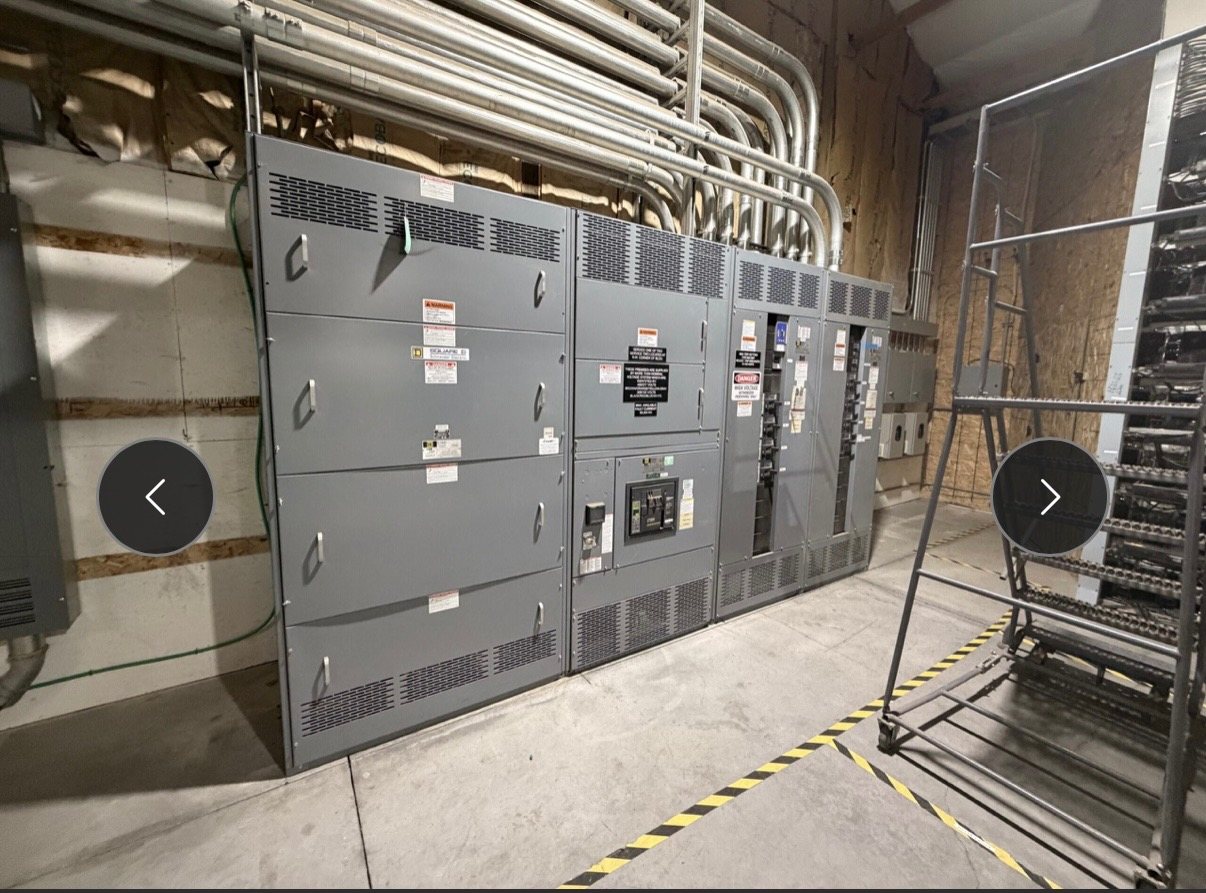
A panelboard distributes electricity to branch circuits and may be a standalone surplus item or one part of a larger group. The enclosure, installed devices and available identification all help describe it. A panelboard and a large switchgear lineup are not interchangeable just because both distribute electrical power.
Your sale circumstances
Stored inventory may be grouped in cabinets, crates or multiple rooms. Existing counts and a description of access are useful even when they are approximate. The seller does not need to gather, package or load the items: the buyer handles collection and the associated freight after an agreed purchase.
A release date and a site closure date are not necessarily the same. Some assets might remain in place longer than others or require an agreed access window. If the schedule is known, the buyer can take it into account while reviewing the equipment; the owner does not have to move it first.
How the buyer reviews condition
The buyer can review equipment without a seller’s certificate of operation. Useful context may include known damage, whether the item was used or stored, and any missing parts. Do not guess at details that are unavailable: an accurate statement that condition is unknown is more useful than an unsupported assurance.
A complete description helps the buyer assess the scope, but it does not guarantee an offer or a particular price. Quantity, components, access, timing and uncertainty can all matter. The seller can consider any cash offer without an obligation to accept it merely because an inquiry was submitted.
Useful information to share
Existing panelboard information might include its manufacturer, enclosure, voltage and current markings and whether branch devices are included. If several panels are offered, a short itemized list is clearer than assuming they are identical. Unknown ratings or missing covers can simply be reported as unknown or missing.
The most useful inventory is one that describes the property being offered, not every item on a project. Available manufacturer markings, quantities and a broad location can help. When one figure refers to a component rather than the complete assembly, preserve that distinction and leave uncertain fields blank.
What the buyer handles
We buy equipment across all voltage classes, including switchgear from decommissioned data centers and shut-down power plants. With an agreed purchase, the buyer’s qualified personnel handle required disconnects, removal, cranes, rigging, loading and hauling, and the buyer covers freight. The seller does not have to test or physically handle the equipment.
If the status of an assembly is uncertain, do not assume it is safe to approach or operate. A record or safely accessible exterior photo may be shared without opening it. For an agreed purchase, qualified buyer personnel coordinate the necessary disconnects and removal with the site.
Preparing the collection plan
If known, the equipment location, access windows, approximate size and building restrictions can help the buyer plan the work. Large or awkward pieces may need special lifting or a coordinated route. The buyer arranges qualified crews and equipment, including cranes and rigging where needed, and handles loading and hauling.
If another party controls a building or a portion of the site, identify the appropriate contact when known. The buyer can discuss the access process and coordinate its removal work. The owner does not have to load a truck, supply a crane or book freight.
Cash offer and next steps
After reviewing the equipment and the practical details, the buyer may make a cash offer. Whether the transaction proceeds depends on the review and agreement with the authorized seller. An agreed purchase is paid upfront, with the buyer covering freight and handling collection.
An existing equipment list or a brief description is a useful start. Include the general location and an authorized contact, along with any known release window. Information can remain incomplete; the buyer reviews the opportunity without asking the seller to test, disconnect, package or load the assets.