THE DETAILS SELLING SITUATIONS
Learn how to sell retired equipment switchboard in Michigan and request an equipment offer with freight coordination.
Describe the actual asset
For a Michigan owner considering a sale of switchboards, the first step is to describe what is available and what is known about it. The asset may be an installed assembly, stored equipment or part of a larger group. The buyer reviews the actual items and the practical conditions of their release.
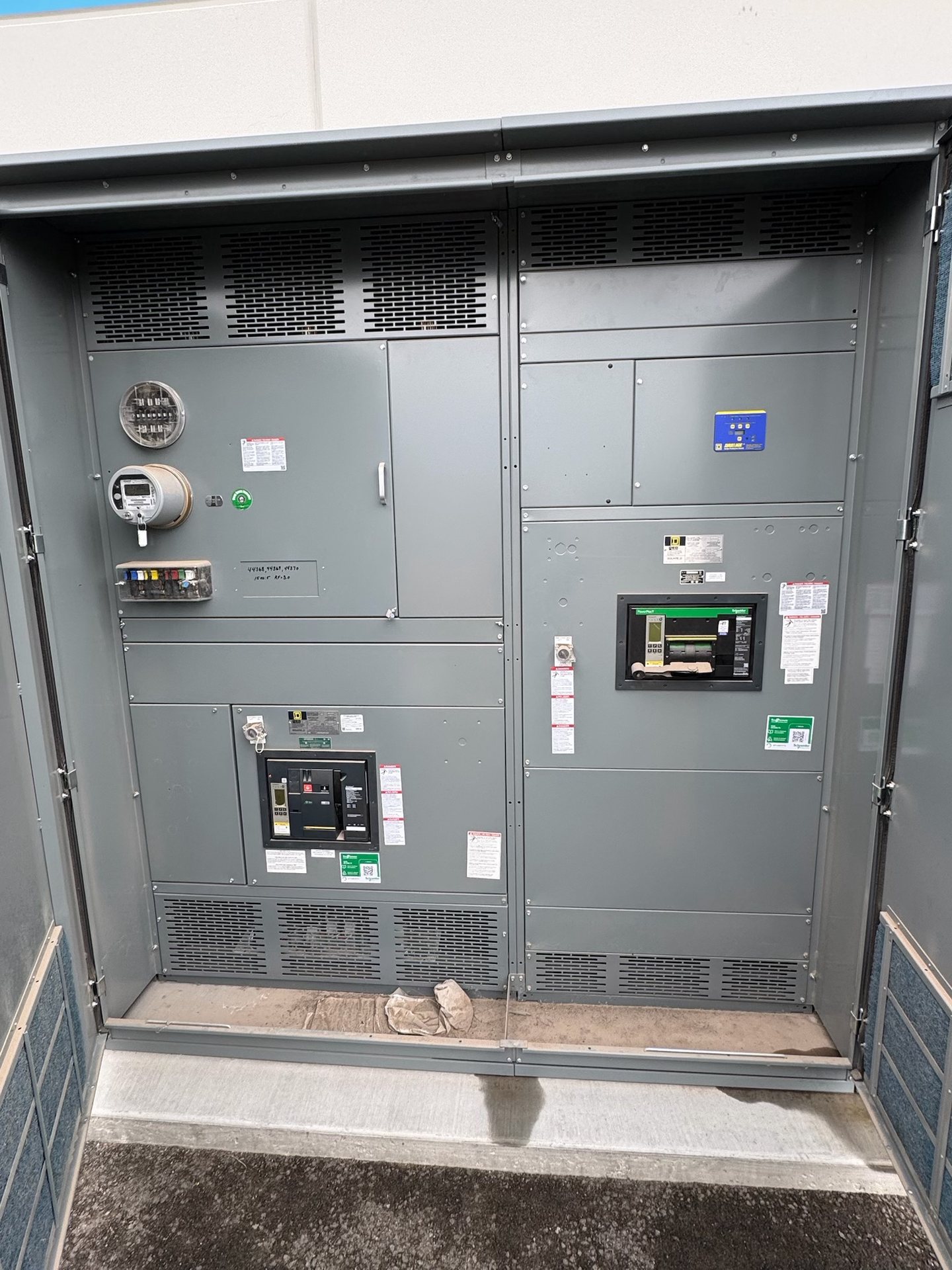
A switchboard brings distribution and protective devices together in an assembly that may be made up of several sections. An owner can describe the whole lineup or a partial group of sections. That distinction matters because the buyer needs to understand what is actually being offered, rather than infer completeness from a single exterior view.
Your sale circumstances
Retired equipment can remain installed or be in storage. Explain when it becomes available and what the owner knows about its condition, while keeping retirement separate from a claim that it operates. The buyer reviews the proposed assets and handles necessary removal through qualified personnel if a purchase is agreed.
The person making the inquiry may be the owner or someone acting on the owner’s behalf. Clarifying who can authorize the sale and who controls site access gives both sides a practical starting point. The details can be worked out during review without asking the seller to arrange a removal crew.
How the buyer reviews condition
An owner’s records might establish that an asset was removed from service, but that is different from establishing its current condition. State the known facts, including any incomplete parts or damage, and leave the rest uncertain. The buyer makes its own purchase review without requiring the seller to test the asset.
There is no reliable way to assign a universal price from equipment type, age or rating alone. The buyer reviews the described items along with the work and access needed for collection. An offer is subject to that review and to agreement on the purchase; the seller is not committed merely by asking.
Useful information to share
Useful existing switchboard details include the manufacturer, visible ratings, section count and any information about main and feeder devices. If known, explain whether the assembly remains installed or was previously removed. A partial lineup can be described honestly, with missing or uncertain components noted rather than guessed.
The most useful inventory is one that describes the property being offered, not every item on a project. Available manufacturer markings, quantities and a broad location can help. When one figure refers to a component rather than the complete assembly, preserve that distinction and leave uncertain fields blank.
What the buyer handles
Our review can cover all voltage classes; our buying scope includes switchgear from decommissioned data centers and shut-down power plants. For a purchase both parties agree to, qualified buyer personnel handle necessary disconnects, removal, crane and rigging work, loading and hauling. Freight is covered, with no testing or physical work by the seller.
Leave electrical operations and removal to qualified personnel working for the buyer. The owner does not need to energize, test, disconnect or open equipment for an offer. If an identifying detail cannot be obtained safely, it can be reported as unknown rather than investigated.
Preparing the collection plan
Where a lot spans several rooms or buildings, a general description of the locations helps the buyer understand the work. It is not necessary to gather the assets into one area. The buyer’s qualified personnel handle required disconnects, removal, rigging and loading, along with the freight and hauling.
Different pieces may be available at different times. A known sequence or release window can be discussed before the purchase is agreed, even if some details remain unsettled. Qualified buyer personnel handle the actual physical work; the seller is not asked to stage or ship the equipment.
Cash offer and next steps
The process is straightforward: share the available description, let the buyer review the equipment and site details, and consider any cash offer made. Offers are subject to review and the parties’ agreement; not every item is necessarily purchased. For an accepted purchase, payment is upfront, and the buyer covers freight.
Tell the buyer what equipment may be available and share any existing records that help define the lot. If the details or condition are uncertain, say so rather than investigating unsafe equipment. The seller does not test or handle removal; after the purchase is agreed, payment is upfront.