THE DETAILS COUNTIES
Learn what to share when selling surplus switchgear in Baraga County, Michigan, from identification to freight arrangements.
Equipment available for review
Owners with surplus electrical equipment in Baraga County, Michigan can request a buyer-only review without first moving the assets. An inquiry can cover an individual assembly or a group in different spaces. The buyer considers the actual equipment and the practical details of its release and site access.
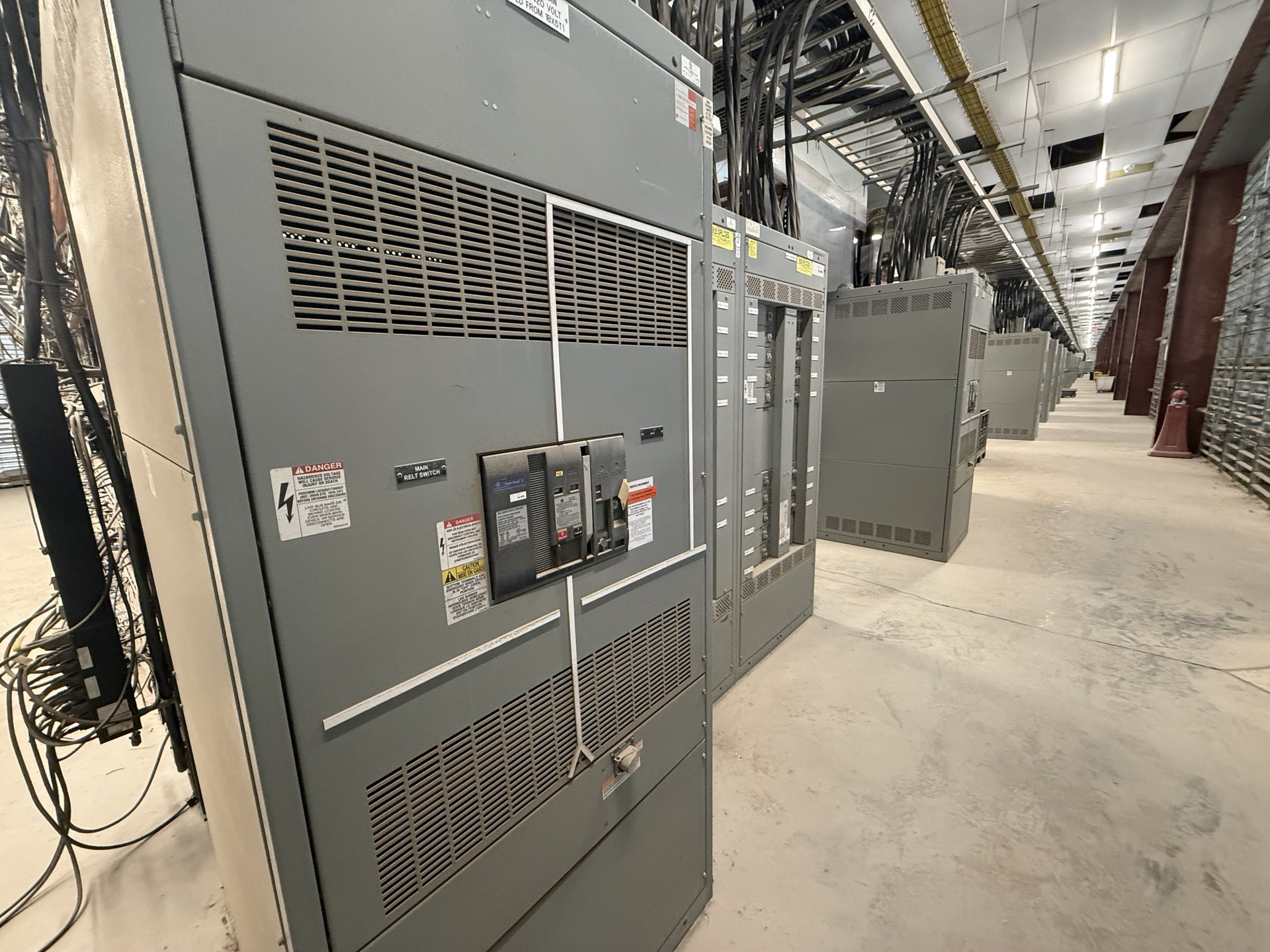
A switchboard brings distribution and protective devices together in an assembly that may be made up of several sections. An owner can describe the whole lineup or a partial group of sections. That distinction matters because the buyer needs to understand what is actually being offered, rather than infer completeness from a single exterior view.
A possible handover
A backup unit may have been kept in reserve even after a replacement was installed. If it is now authorized for sale, describe its known status and the intended release date without claiming that it has been tested. The buyer can review the equipment as it stands, with removal handled by qualified personnel.
Existing project records may show items that must stay on site alongside items that can be sold. If so, distinguish the proposed sale from retained property and note where ownership is uncertain. The buyer can review the authorized assets without treating a broad project description as a complete inventory.
Information already on hand
Useful existing switchboard details include the manufacturer, visible ratings, section count and any information about main and feeder devices. If known, explain whether the assembly remains installed or was previously removed. A partial lineup can be described honestly, with missing or uncertain components noted rather than guessed.
A short list can identify individual equipment groups and note which are installed and which are stored, if that information is already known. Existing labels or project records add context. The buyer can ask about gaps; the seller is not expected to make technical determinations or certify the contents.
What affects an offer
Condition affects an offer, but a seller does not need to establish that a device operates. Describe known damage, missing pieces, storage history or prior use if those facts are available, and say when the operating condition is unknown. A retired or unused label is a description, not a substitute for a condition assessment.
A proposed cash offer reflects a review of the assets and transaction details rather than a fixed price based on a label. The contents, available records, known condition, release schedule and site access can matter. The buyer may accept or decline an opportunity; any agreement is made with the authorized seller.
Qualified removal and safety
Our buying scope includes all voltage classes, from lower-voltage distribution equipment through higher-voltage assets. We also buy switchgear from decommissioned data centers and shut-down power plants. For an agreed purchase, our qualified personnel handle the disconnects, removal, crane work, rigging, loading, hauling and freight; the seller performs no testing or physical work.
There is no reason for an owner to operate equipment or expose its interior to request an offer. Use only existing records and information that can be obtained safely. The buyer’s qualified personnel handle the necessary electrical disconnects and physical removal in coordination with the authorized site representative.
Collection arrangements
For a collection plan, the buyer considers the equipment’s location, size and any known site restrictions. If several rooms or release dates are involved, those can be discussed as part of the proposed purchase. The buyer’s qualified personnel perform the on-site work and arrange the covered freight.
If equipment ownership or access is controlled by more than one party, identify the authorized contact for the proposed sale. The buyer can then discuss the practical handover and coordinate its personnel. Identifying a contact is not a requirement for the seller to disconnect, load or transport the equipment.
How to begin
After reviewing the equipment and the practical details, the buyer may make a cash offer. Whether the transaction proceeds depends on the review and agreement with the authorized seller. An agreed purchase is paid upfront, with the buyer covering freight and handling collection.
An existing equipment list or a brief description is a useful start. Include the general location and an authorized contact, along with any known release window. Information can remain incomplete; the buyer reviews the opportunity without asking the seller to test, disconnect, package or load the assets.