THE DETAILS COUNTIES
Learn what to share when selling surplus switchgear in Berrien County, Michigan, from identification to freight arrangements.
Equipment available for review
Owners with surplus electrical equipment in Berrien County, Michigan can request a buyer-only review without first moving the assets. An inquiry can cover an individual assembly or a group in different spaces. The buyer considers the actual equipment and the practical details of its release and site access.
An automatic transfer switch, often called an ATS, is intended to transfer a load between power sources under the conditions for which it is designed. A used unit should be described as an identified asset, not as evidence that a backup system will operate. Its controller and enclosure may be relevant to what is included.
A possible handover
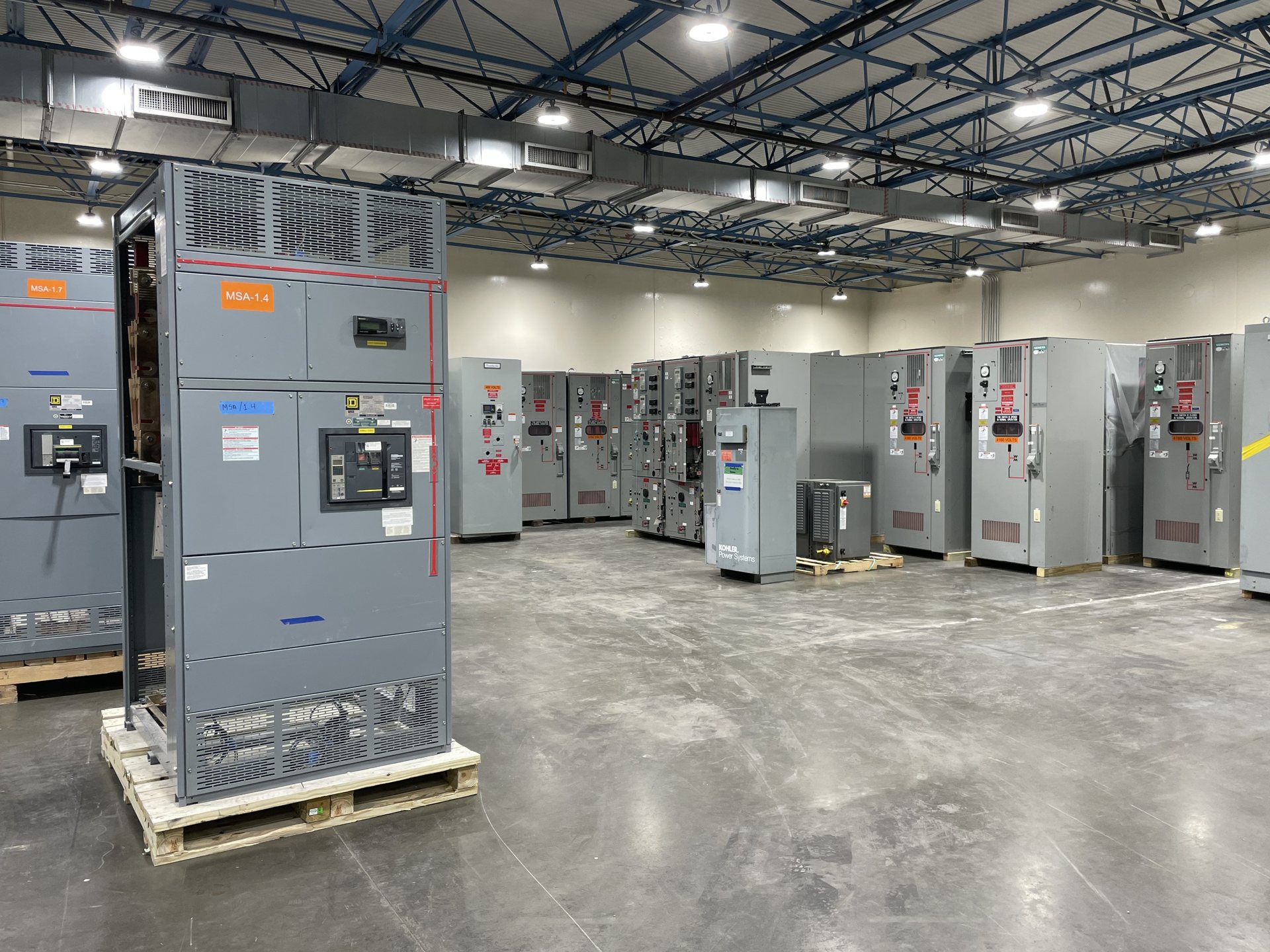
A mixed-manufacturer inventory is easier to evaluate when each group is identified separately. Existing photos or a list may show the name on each assembly and whether loose parts are included. Do not assume that two similarly labeled items share the same ratings or that an accessory belongs to a particular lineup.
A release date and a site closure date are not necessarily the same. Some assets might remain in place longer than others or require an agreed access window. If the schedule is known, the buyer can take it into account while reviewing the equipment; the owner does not have to move it first.
Information already on hand
An existing label or inventory may identify the manufacturer, ratings and model of an ATS. State whether the controller, enclosure and associated loose parts are part of the proposed sale if that information is known. An owner can describe it as untested without trying a transfer or energizing anything.
Records do not need to be perfect to start an inquiry. An existing equipment list, a broad description and any safely accessible exterior photos can establish the scope. Note whether the offer concerns a complete assembly, a partial lineup or individual pieces, and avoid attributing an unverified rating to the whole group.
What affects an offer
Condition affects an offer, but a seller does not need to establish that a device operates. Describe known damage, missing pieces, storage history or prior use if those facts are available, and say when the operating condition is unknown. A retired or unused label is a description, not a substitute for a condition assessment.
The scope of the sale influences the review: a complete lineup, a few sections and loose devices are not necessarily the same proposition. So do known condition, site access and the timing of release. The buyer can make a cash offer following review, but there is no promise to purchase every asset.
Qualified removal and safety
All voltage classes are within the buying scope, including switchgear from shut-down power plants and decommissioned data centers. After an agreement, the buyer’s qualified personnel handle necessary disconnects, removal, crane work, rigging, loading, freight and hauling. The buyer covers freight; the seller does no testing or physical removal work.
A photo is optional and should only be taken from a safe, authorized location. Do not manipulate devices or remove covers for a better view. The buyer’s qualified personnel handle necessary disconnects and removal, working with the authorized site contact and the applicable site procedures.
Collection arrangements
For a large or awkward assembly, collection planning may involve lifting equipment and space to maneuver. A seller can mention known access restrictions without finding a carrier or arranging a crane. The buyer handles required rigging, loading and hauling with qualified personnel and covers freight.
If site rules or another contractor’s schedule affect access, mention them during the discussion. The buyer coordinates its qualified personnel with the authorized site representative and handles the removal work. The seller is not required to hire a crew, package equipment or book a carrier.
How to begin
The buyer first reviews what is offered and the associated site details. A cash offer may follow, subject to that review and agreement on the transaction; the seller can decide whether to accept. For an agreed purchase, the seller is paid upfront, and the buyer covers freight.
To start, describe the assets you want considered and provide an authorized contact. Existing identification, condition notes and timing are useful when available, but uncertain details can be labeled unknown. The buyer reviews the opportunity, pays upfront for an agreed purchase and takes care of the physical work.