THE DETAILS CITIES
Explore a buyer-only route for surplus switchgear and electrical equipment in Dearborn, Michigan, including offer details and pickup planning.
A practical local sale
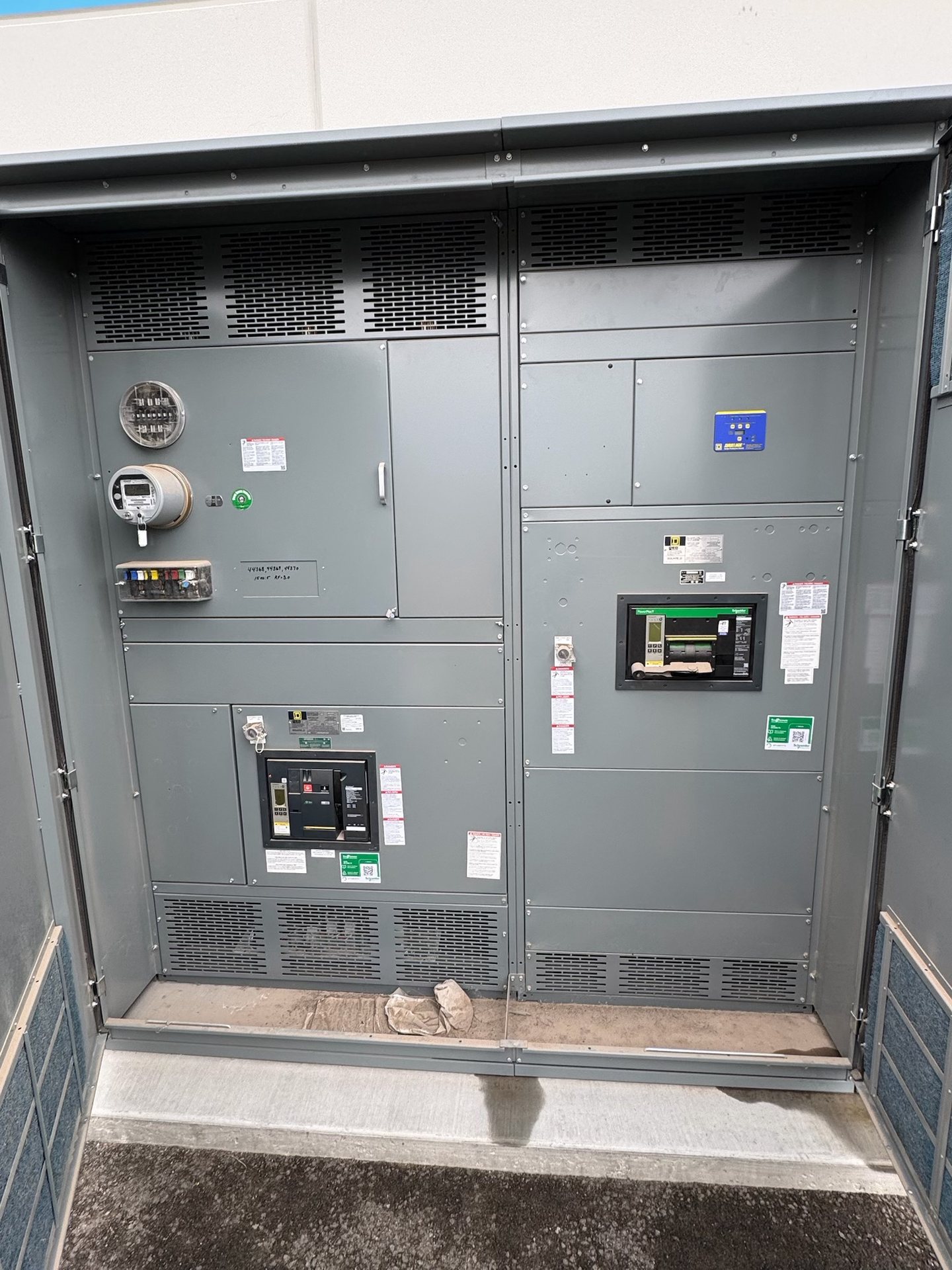
If you have surplus electrical equipment in Dearborn, Michigan, you can ask for a buyer-only review of the assets you intend to release. Equipment may be in place at a facility or held in storage. An inquiry can cover a single lineup or a group of different distribution assets, based on what the owner wants to sell.
An electrical circuit breaker is a protective switching device, and the term covers many different sizes and constructions. A loose spare, a removed breaker and a device included within a larger assembly are different sale items. Describe how many are offered and the configuration if it is already known.
Example: planning the release
An owner considering alternatives for one retired lineup can ask for a purchase review without committing the equipment in advance. The relevant comparison is the proposed payment and the work included, not a presumed scrap or resale value. The buyer’s offer is subject to review, and the owner can decide whether to accept it.
Existing project records may show items that must stay on site alongside items that can be sold. If so, distinguish the proposed sale from retained property and note where ownership is uncertain. The buyer can review the authorized assets without treating a broad project description as a complete inventory.
Identifying the equipment
For breakers, existing labels may identify the manufacturer, model, voltage and current markings, and other ratings. A device label should not be assumed to describe an entire lineup. Keep any available list of loose devices separate from the equipment in which other breakers remain installed, and identify unknown details honestly.
Records gathered for ordinary asset management may be enough for an initial review. A description of the type, count and location, plus any known model or rating, helps define the lot. A missing document or unreadable marking can be identified as such without opening or operating equipment.
Condition and offer review
Condition affects an offer, but a seller does not need to establish that a device operates. Describe known damage, missing pieces, storage history or prior use if those facts are available, and say when the operating condition is unknown. A retired or unused label is a description, not a substitute for a condition assessment.
A stored spare and an installed lineup may require different handling even when they serve related purposes. The buyer takes the equipment and collection circumstances into account when deciding whether to make an offer. Any amount and transaction terms are agreed with the authorized seller, not inferred from a general description.
Work handled by the buyer
We buy equipment across all voltage classes, including switchgear from decommissioned data centers and shut-down power plants. With an agreed purchase, the buyer’s qualified personnel handle required disconnects, removal, cranes, rigging, loading and hauling, and the buyer covers freight. The seller does not have to test or physically handle the equipment.
Leave electrical operations and removal to qualified personnel working for the buyer. The owner does not need to energize, test, disconnect or open equipment for an offer. If an identifying detail cannot be obtained safely, it can be reported as unknown rather than investigated.
Site access and collection
A useful handover discussion covers where the assets are, who can grant access and when they can be released. Existing dimensions and known obstacles can also inform the plan. The buyer handles any required crane work, rigging, loading and hauling rather than assigning those jobs to the seller.
The owner or an authorized contact can explain how access approval works and identify any deadline already known. That communication does not transfer the labor to the seller. A purchase and collection schedule are agreed after review, rather than assumed from the first message.
Requesting a cash offer
An initial description lets the buyer review the equipment and any known access or timing considerations. A cash offer may be made after that review; the parties decide whether to agree to a purchase. For an agreed transaction, payment is upfront, and the buyer covers freight.
A useful first message need not be polished: identify the general equipment, where it is and whether it is still installed, if known. Mention any release date already established. The buyer can review missing details without requiring the seller to test the equipment, arrange labor or organize freight.