THE DETAILS CITIES
Explore a buyer-only route for surplus switchgear and electrical equipment in Eastpointe, Michigan, including offer details and pickup planning.
A practical local sale
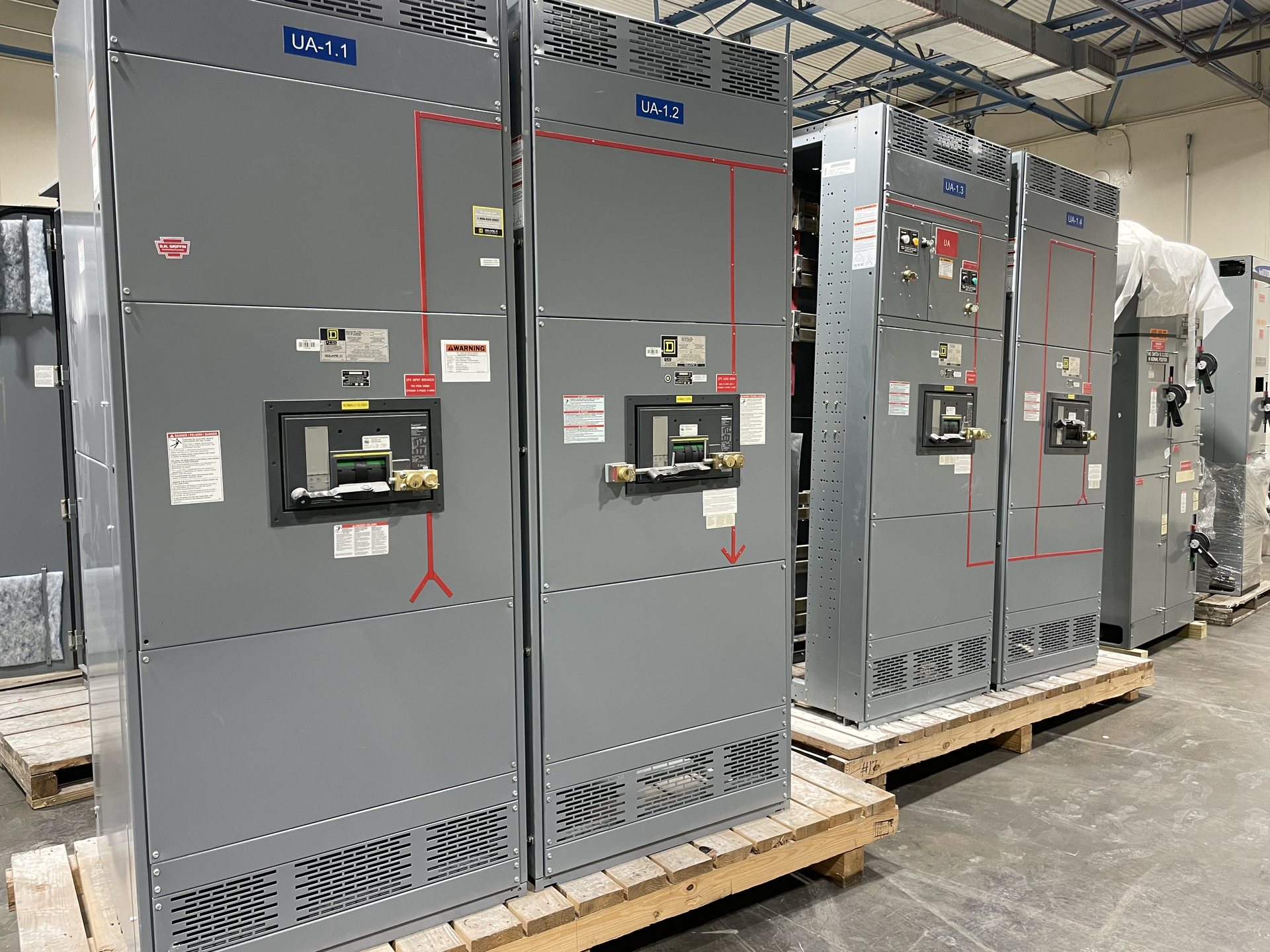
If you have surplus electrical equipment in Eastpointe, Michigan, you can ask for a buyer-only review of the assets you intend to release. Equipment may be in place at a facility or held in storage. An inquiry can cover a single lineup or a group of different distribution assets, based on what the owner wants to sell.
An electrical circuit breaker is a protective switching device, and the term covers many different sizes and constructions. A loose spare, a removed breaker and a device included within a larger assembly are different sale items. Describe how many are offered and the configuration if it is already known.
Example: planning the release
Modernization may leave older assemblies, loose parts and boxed replacement items with different release dates. Existing project records can show which assets are retired and which remain in service. Sharing that distinction helps the buyer review the intended sale without treating every item in a project as immediately available.
A release date and a site closure date are not necessarily the same. Some assets might remain in place longer than others or require an agreed access window. If the schedule is known, the buyer can take it into account while reviewing the equipment; the owner does not have to move it first.
Identifying the equipment
For breakers, existing labels may identify the manufacturer, model, voltage and current markings, and other ratings. A device label should not be assumed to describe an entire lineup. Keep any available list of loose devices separate from the equipment in which other breakers remain installed, and identify unknown details honestly.
Start with information the owner already has: an asset description, approximate quantity, location and any available identifying marks. Older records may be incomplete, so identify uncertainties instead of filling them with assumptions. The buyer can ask follow-up questions while reviewing the proposed purchase; the seller does not have to undertake technical work.
Condition and offer review
The buyer can review equipment without a seller’s certificate of operation. Useful context may include known damage, whether the item was used or stored, and any missing parts. Do not guess at details that are unavailable: an accurate statement that condition is unknown is more useful than an unsupported assurance.
Two lots with the same equipment type can present different purchase considerations because their contents and site conditions differ. The buyer reviews known condition, documentation, quantity and the practical removal requirements. An offer is subject to that review, and the owner chooses whether to accept the terms proposed.
Work handled by the buyer
Our review can cover all voltage classes; our buying scope includes switchgear from decommissioned data centers and shut-down power plants. For a purchase both parties agree to, qualified buyer personnel handle necessary disconnects, removal, crane and rigging work, loading and hauling. Freight is covered, with no testing or physical work by the seller.
No seller testing is needed, and an inquiry is not a request to make equipment safe by yourself. Do not open equipment or go near an unsafe installation to obtain a label. The buyer uses qualified personnel for the necessary electrical and physical work, coordinated with the appropriate site contact.
Site access and collection
Known site restrictions, an approximate release window and existing equipment dimensions help frame the pickup discussion. The buyer reviews the circumstances before the parties agree on a collection plan. On an agreed purchase, the buyer arranges the necessary physical work, loading, hauling and freight.
Where assets are released in stages, the owner can describe the planned windows if known. The buyer reviews the schedule and coordinates the necessary work; there is no promise of an immediate visit or a particular collection date before agreement. The seller does not handle the freight.
Requesting a cash offer
There is no obligation to sell simply because an owner describes surplus equipment. The buyer reviews the lot and may make a cash offer. If both sides agree on the purchase, the seller receives upfront payment, and the buyer takes care of covered freight.
A first conversation can begin with the equipment type, location and the owner’s intended release. Safely accessible existing photos or records can help but are not a demand to enter an unsafe area. The buyer handles the agreed work, and the seller does not perform testing or physical removal.