THE DETAILS EQUIPMENT
Sell unit substation in Michigan. Review plant upgrade surplus considerations, documentation, cash offers and freight coordination.
Understanding the asset
An owner considering selling unit substations in Michigan can start with a description of the actual assets and the proposed release. The equipment may be installed, in storage or part of a mixed lot. The buyer reviews what is offered rather than assuming that similarly named items are alike.
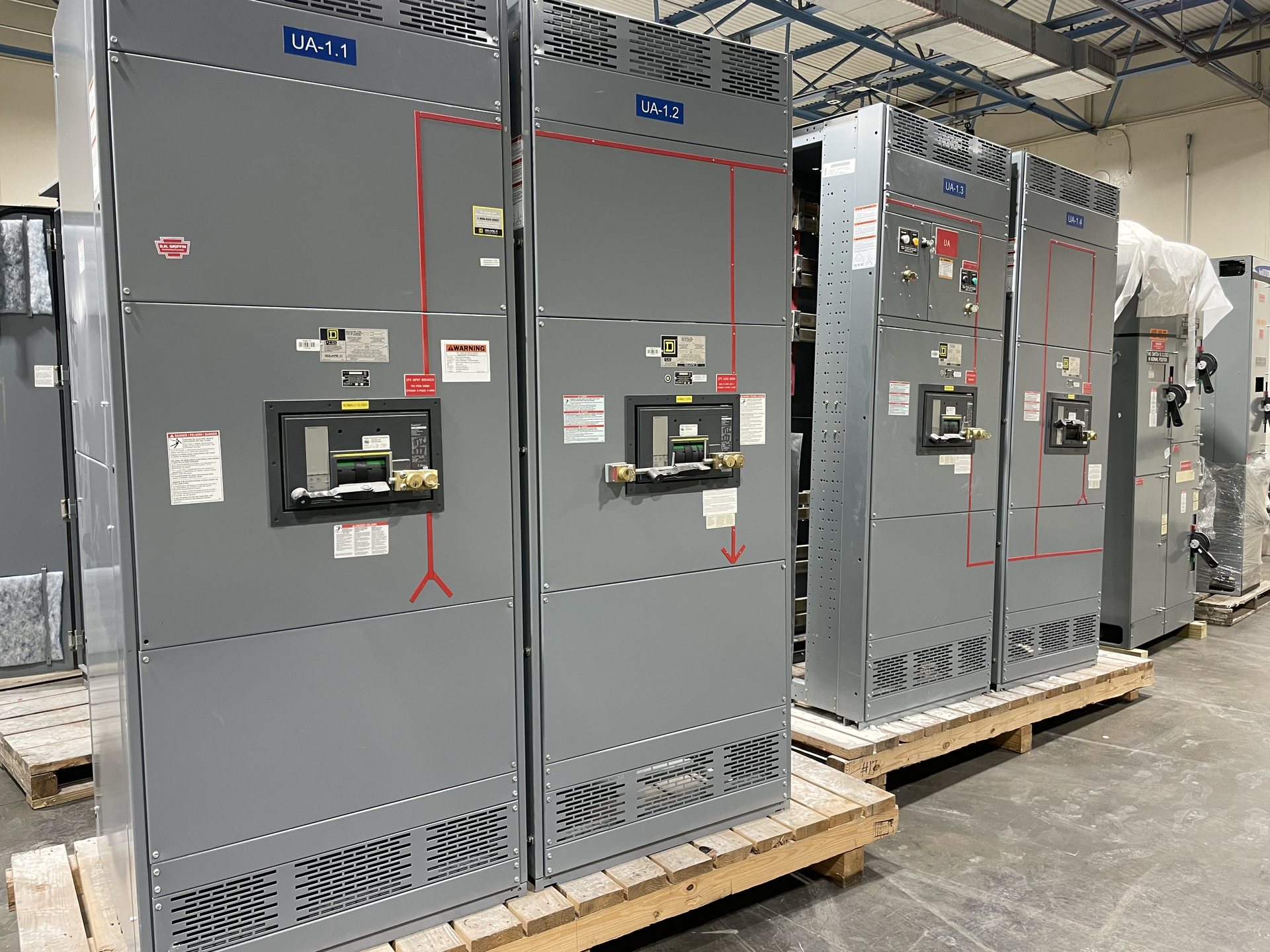
A unit substation generally combines a transformer with associated distribution or switching equipment in an arrangement that serves a facility. Individual assemblies vary, so the owner should describe which sections are included. The transformer and associated gear may be offered together or as distinct assets, depending on the owner’s intended sale.
The situation behind the sale
An upgrade does not necessarily release every old asset at once. Some equipment may remain in place while other sections become available. If a project has a staged schedule, share what is known so the buyer can review the intended equipment and discuss the timing of the work.
A release date and a site closure date are not necessarily the same. Some assets might remain in place longer than others or require an agreed access window. If the schedule is known, the buyer can take it into account while reviewing the equipment; the owner does not have to move it first.
Details that identify the lot
Existing records can help identify the transformer, primary and secondary equipment, manufacturer markings and approximate dimensions. Note whether any sections or accessories are absent and whether the unit remains in place. If fluid or other special handling information is already known, share it for review without opening or examining the equipment.
Records gathered for ordinary asset management may be enough for an initial review. A description of the type, count and location, plus any known model or rating, helps define the lot. A missing document or unreadable marking can be identified as such without opening or operating equipment.
Condition and purchase review
Be direct about the state of the lot as it is known. An assembly may be used, unused, incomplete, stored or still installed; none of those labels alone proves its present operating condition. Known damage and missing information can be disclosed without arranging a test or making claims beyond the records.
Equipment that looks similar can differ in its included components, condition and accessibility. For that reason, a review considers the actual lot and collection requirements rather than promising a value from a single detail. The owner remains free to consider the offer; a request is not an obligation to sell.
What the buyer handles
We buy electrical equipment across all voltage classes, including switchgear from decommissioned data centers and shut-down power plants. For an agreed purchase, we handle necessary disconnects, removal, crane and rigging work, loading, hauling and freight with qualified personnel. The seller does no testing or physical work and does not arrange or pay for freight.
No seller testing is needed, and an inquiry is not a request to make equipment safe by yourself. Do not open equipment or go near an unsafe installation to obtain a label. The buyer uses qualified personnel for the necessary electrical and physical work, coordinated with the appropriate site contact.
Planning access and freight
A useful handover discussion covers where the assets are, who can grant access and when they can be released. Existing dimensions and known obstacles can also inform the plan. The buyer handles any required crane work, rigging, loading and hauling rather than assigning those jobs to the seller.
The owner or an authorized contact can explain how access approval works and identify any deadline already known. That communication does not transfer the labor to the seller. A purchase and collection schedule are agreed after review, rather than assumed from the first message.
From inquiry to payment
There is no obligation to sell simply because an owner describes surplus equipment. The buyer reviews the lot and may make a cash offer. If both sides agree on the purchase, the seller receives upfront payment, and the buyer takes care of covered freight.
A seller can start with a short message about the assets and the site. Existing identification and condition notes are welcome when available, while gaps can be left open. The buyer considers the information and handles the removal and freight after the parties agree and the seller is paid upfront.