THE DETAILS EQUIPMENT
Sell unit substation in Michigan. Review shipping and freight considerations, documentation, cash offers and freight coordination.
Understanding the asset
An owner considering selling unit substations in Michigan can start with a description of the actual assets and the proposed release. The equipment may be installed, in storage or part of a mixed lot. The buyer reviews what is offered rather than assuming that similarly named items are alike.
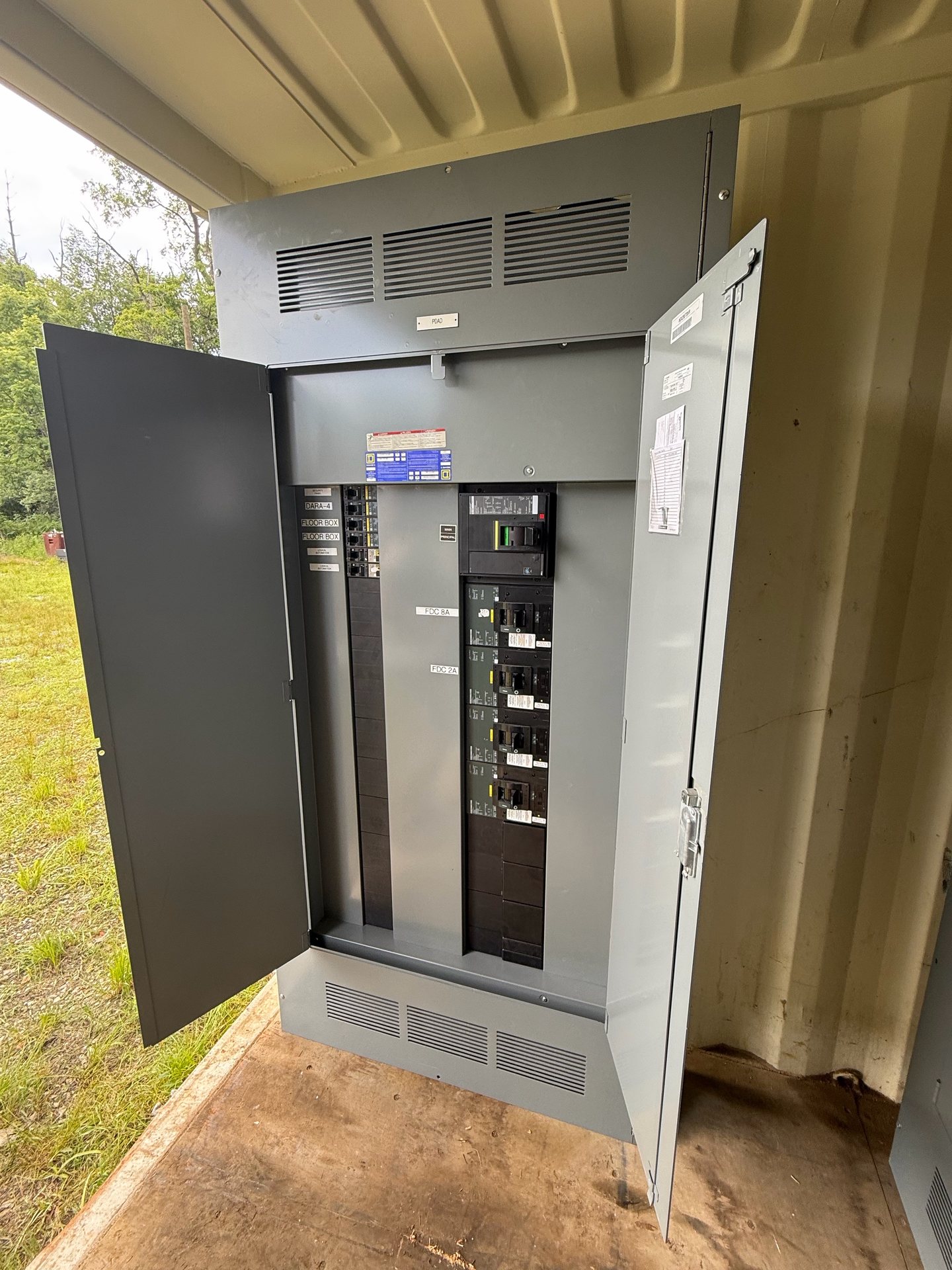
A unit substation generally combines a transformer with associated distribution or switching equipment in an arrangement that serves a facility. Individual assemblies vary, so the owner should describe which sections are included. The transformer and associated gear may be offered together or as distinct assets, depending on the owner’s intended sale.
The situation behind the sale
Transport planning starts with the actual location and any known limitations, such as an access window or an unusually large assembly. Existing dimensions can help if available, but the seller does not need to package, load or ship the equipment. The buyer handles rigging, loading, hauling and freight.
When several groups are involved in a project, a clear contact for the proposed sale can make the handover easier to discuss. The buyer coordinates its own qualified personnel and physical work with the authorized site representative. The seller is not responsible for disconnecting or transporting the equipment.
Details that identify the lot
Existing records can help identify the transformer, primary and secondary equipment, manufacturer markings and approximate dimensions. Note whether any sections or accessories are absent and whether the unit remains in place. If fluid or other special handling information is already known, share it for review without opening or examining the equipment.
A short list can identify individual equipment groups and note which are installed and which are stored, if that information is already known. Existing labels or project records add context. The buyer can ask about gaps; the seller is not expected to make technical determinations or certify the contents.
Condition and purchase review
Age, storage and previous use are useful context, but they do not by themselves determine whether equipment works or what it is worth. Share known condition and any gaps in the record. The buyer evaluates the actual assets; a seller is not expected to certify a technical condition.
A complete description helps the buyer assess the scope, but it does not guarantee an offer or a particular price. Quantity, components, access, timing and uncertainty can all matter. The seller can consider any cash offer without an obligation to accept it merely because an inquiry was submitted.
What the buyer handles
Our buying scope includes all voltage classes, from lower-voltage distribution equipment through higher-voltage assets. We also buy switchgear from decommissioned data centers and shut-down power plants. For an agreed purchase, our qualified personnel handle the disconnects, removal, crane work, rigging, loading, hauling and freight; the seller performs no testing or physical work.
Electrical safety is handled as part of the buyer’s professional work, not as a task for the seller. Do not try to operate equipment, open a panel or collect information from an unsafe position. Qualified buyer personnel coordinate the necessary disconnects and removal with the site’s authorized representative.
Planning access and freight
Access and timing are practical parts of a review, whether equipment sits in a warehouse or remains installed at a facility. Existing information about location and release windows is useful; exact measurements are not a prerequisite for an initial inquiry. The buyer coordinates the lifting, loading, hauling and freight.
A practical handover identifies the assets, the authorized site contact and any restrictions on entry or work. The buyer coordinates its own crews and handles the work necessary to collect the agreed purchase. The seller need not package, load or arrange a shipment.
From inquiry to payment
An initial description lets the buyer review the equipment and any known access or timing considerations. A cash offer may be made after that review; the parties decide whether to agree to a purchase. For an agreed transaction, payment is upfront, and the buyer covers freight.
An existing equipment list or a brief description is a useful start. Include the general location and an authorized contact, along with any known release window. Information can remain incomplete; the buyer reviews the opportunity without asking the seller to test, disconnect, package or load the assets.