THE DETAILS EQUIPMENT
Sell automatic transfer switch (ATS) in Michigan. Review nameplates and identification considerations, documentation, cash offers and freight coordination.
Understanding the asset
An owner considering selling automatic transfer switches (ATSs) in Michigan can start with a description of the actual assets and the proposed release. The equipment may be installed, in storage or part of a mixed lot. The buyer reviews what is offered rather than assuming that similarly named items are alike.
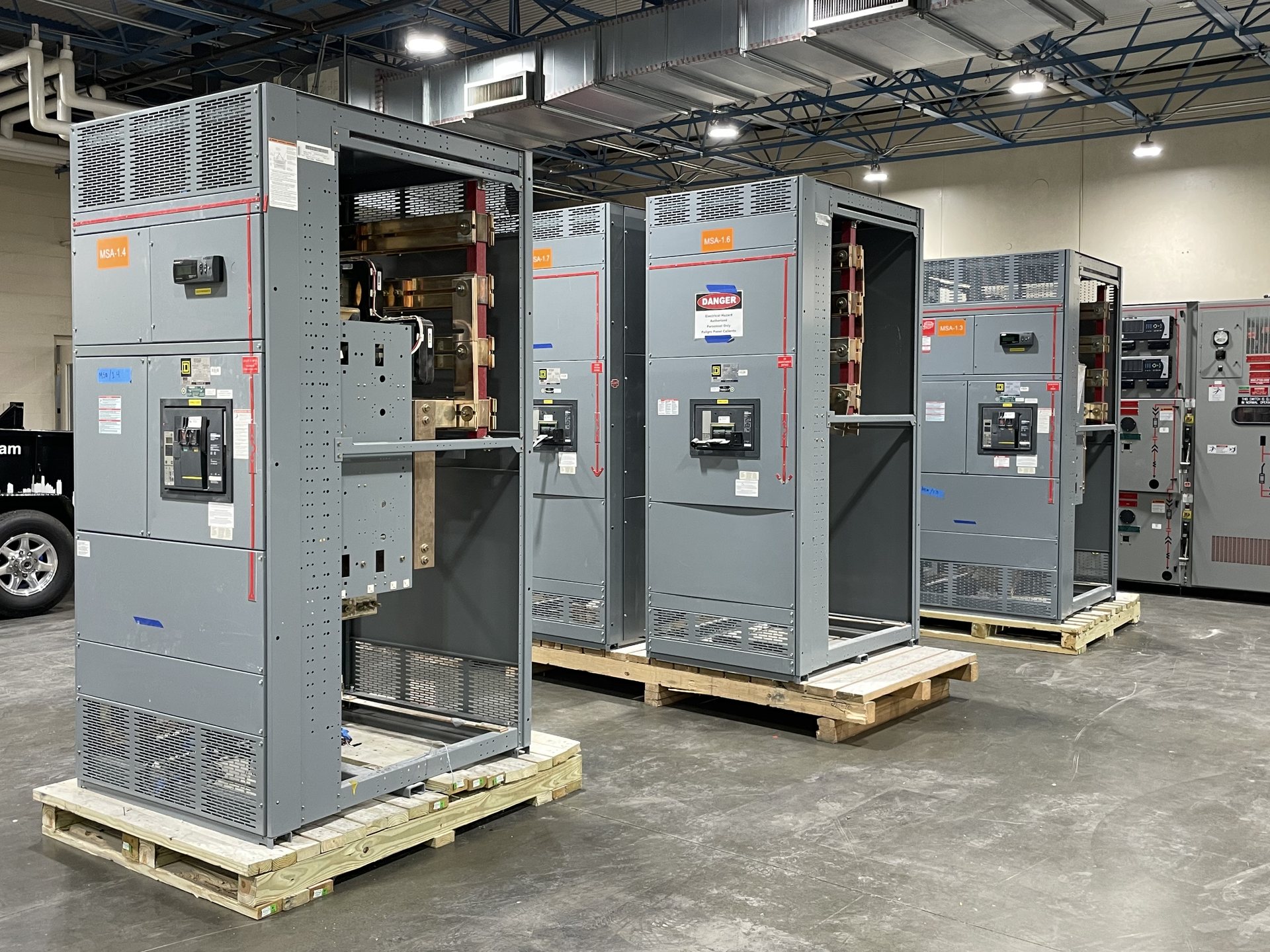
An automatic transfer switch, often called an ATS, is intended to transfer a load between power sources under the conditions for which it is designed. A used unit should be described as an identified asset, not as evidence that a backup system will operate. Its controller and enclosure may be relevant to what is included.
The situation behind the sale
A nameplate can contain a manufacturer, model and electrical ratings, but the exact information varies by item. Existing photos of safely accessible exterior labels are useful; an unknown or missing label can be reported as such. Never remove a cover or approach an unsafe area just to collect a detail.
The person making the inquiry may be the owner or someone acting on the owner’s behalf. Clarifying who can authorize the sale and who controls site access gives both sides a practical starting point. The details can be worked out during review without asking the seller to arrange a removal crew.
Details that identify the lot
An existing label or inventory may identify the manufacturer, ratings and model of an ATS. State whether the controller, enclosure and associated loose parts are part of the proposed sale if that information is known. An owner can describe it as untested without trying a transfer or energizing anything.
The most useful inventory is one that describes the property being offered, not every item on a project. Available manufacturer markings, quantities and a broad location can help. When one figure refers to a component rather than the complete assembly, preserve that distinction and leave uncertain fields blank.
Condition and purchase review
Age, storage and previous use are useful context, but they do not by themselves determine whether equipment works or what it is worth. Share known condition and any gaps in the record. The buyer evaluates the actual assets; a seller is not expected to certify a technical condition.
A stored spare and an installed lineup may require different handling even when they serve related purposes. The buyer takes the equipment and collection circumstances into account when deciding whether to make an offer. Any amount and transaction terms are agreed with the authorized seller, not inferred from a general description.
What the buyer handles
All voltage classes are within the buying scope, including switchgear from shut-down power plants and decommissioned data centers. After an agreement, the buyer’s qualified personnel handle necessary disconnects, removal, crane work, rigging, loading, freight and hauling. The buyer covers freight; the seller does no testing or physical removal work.
A seller does not have to prepare equipment electrically or demonstrate that it works. Avoid operating devices, opening covers or entering unsafe areas for photographs. The buyer’s qualified personnel handle the necessary disconnects and removal, coordinating access and the work with the authorized site representative.
Planning access and freight
For a large or awkward assembly, collection planning may involve lifting equipment and space to maneuver. A seller can mention known access restrictions without finding a carrier or arranging a crane. The buyer handles required rigging, loading and hauling with qualified personnel and covers freight.
A site contact can explain any entry approvals or work windows already established. That helps the buyer coordinate qualified personnel with the site, but it does not require the seller to supply labor or organize transport. The exact collection schedule is agreed as part of the transaction.
From inquiry to payment
Send an inquiry with whatever description is readily available. After review, the buyer may make a cash offer for the proposed assets. If the purchase is agreed, payment is upfront, while the buyer handles necessary work and covers freight. A review does not commit either party to a sale.
You can begin with the equipment type, approximate quantity, site location and an authorized contact, adding existing photos or records if convenient. Unknown details can remain unknown. There is no need to test, disconnect, move or load anything: after agreement, the seller’s part is to receive payment.