THE DETAILS SELLING SITUATIONS
Learn how to sell obsolete electrical equipment switchboard in Michigan and request an equipment offer with freight coordination.
Describe the actual asset
For a Michigan owner considering a sale of switchboards, the first step is to describe what is available and what is known about it. The asset may be an installed assembly, stored equipment or part of a larger group. The buyer reviews the actual items and the practical conditions of their release.
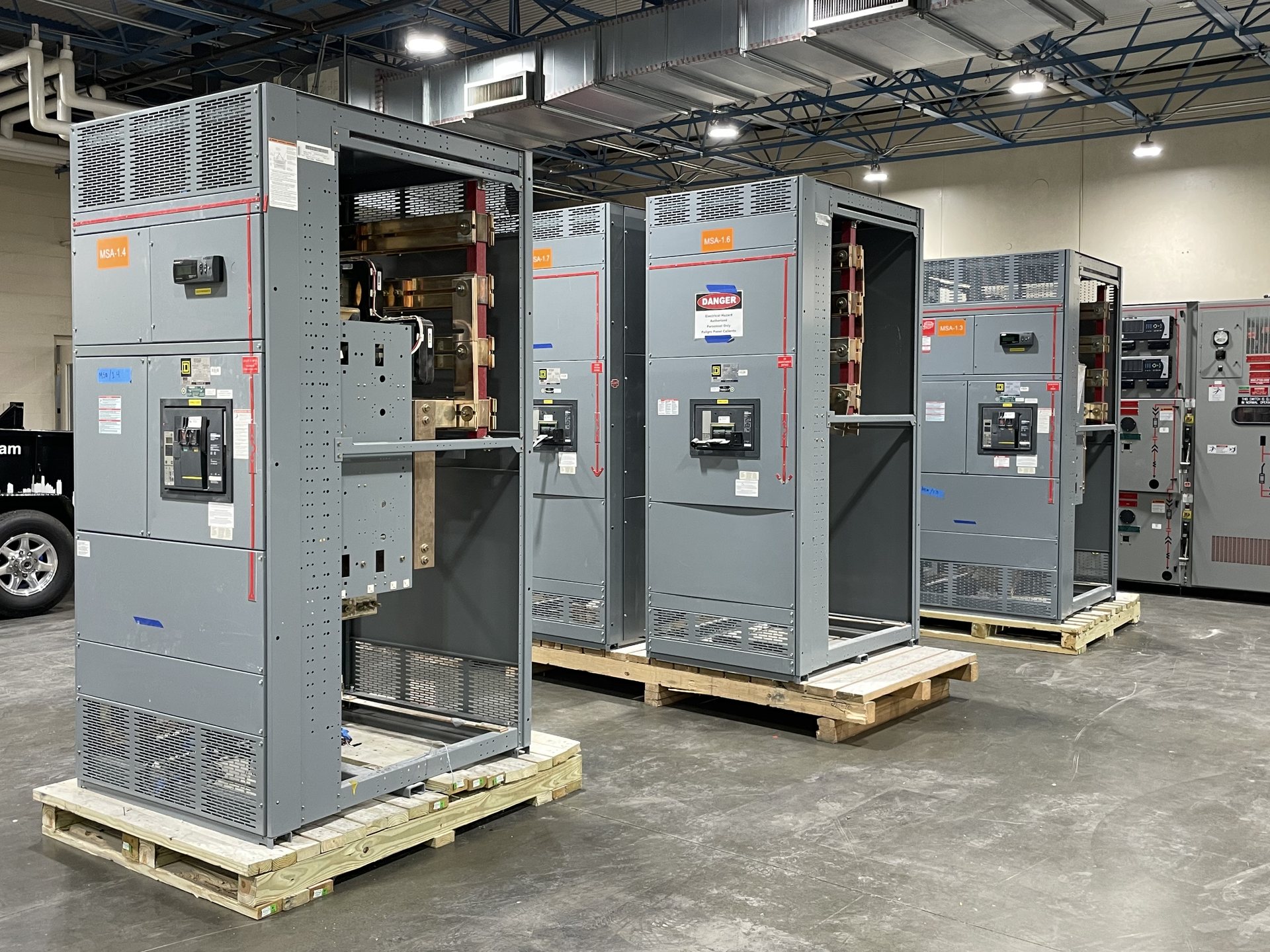
A switchboard brings distribution and protective devices together in an assembly that may be made up of several sections. An owner can describe the whole lineup or a partial group of sections. That distinction matters because the buyer needs to understand what is actually being offered, rather than infer completeness from a single exterior view.
Your sale circumstances
Older or discontinued equipment may still be described using its existing manufacturer and model information, if known. Age alone does not establish condition, compatibility or value. The buyer can review the actual equipment and any available history; the owner does not need to promise that old devices are working.
It is reasonable to start the conversation before every detail of a project is finalized. Share the intended scope and any timing that is already known, while identifying plans that may change. The buyer reviews those details before making an offer and agrees the collection arrangements with the authorized seller.
How the buyer reviews condition
A box labeled as a spare may have spent years in storage, and an installed unit may have an incomplete service history. Neither example proves an operating condition. Share what is already known about use, storage or visible damage so the buyer can evaluate the uncertainty as part of the offer review.
Reviewing an asset means considering more than the number on a label. The buyer also needs to understand what is included, the known state of the equipment and how it can be released. There is no fixed price or automatic approval for every item; a cash offer may follow the review.
Useful information to share
Useful existing switchboard details include the manufacturer, visible ratings, section count and any information about main and feeder devices. If known, explain whether the assembly remains installed or was previously removed. A partial lineup can be described honestly, with missing or uncertain components noted rather than guessed.
Start with information the owner already has: an asset description, approximate quantity, location and any available identifying marks. Older records may be incomplete, so identify uncertainties instead of filling them with assumptions. The buyer can ask follow-up questions while reviewing the proposed purchase; the seller does not have to undertake technical work.
What the buyer handles
We buy electrical distribution equipment of all voltage classes, and we buy switchgear from decommissioned data centers and shut-down power plants. For an agreed purchase, our qualified personnel handle necessary disconnects, removal, crane work, rigging, loading and hauling. The buyer covers freight, and the seller does no testing or physical work.
Electrical safety is handled as part of the buyer’s professional work, not as a task for the seller. Do not try to operate equipment, open a panel or collect information from an unsafe position. Qualified buyer personnel coordinate the necessary disconnects and removal with the site’s authorized representative.
Preparing the collection plan
A useful handover discussion covers where the assets are, who can grant access and when they can be released. Existing dimensions and known obstacles can also inform the plan. The buyer handles any required crane work, rigging, loading and hauling rather than assigning those jobs to the seller.
If another party controls a building or a portion of the site, identify the appropriate contact when known. The buyer can discuss the access process and coordinate its removal work. The owner does not have to load a truck, supply a crane or book freight.
Cash offer and next steps
There is no obligation to sell simply because an owner describes surplus equipment. The buyer reviews the lot and may make a cash offer. If both sides agree on the purchase, the seller receives upfront payment, and the buyer takes care of covered freight.
There is no need to assemble a perfect inventory before asking. Describe the proposed assets, identify an authorized contact and mention any known deadline. The buyer reviews the available facts; following an agreed purchase, payment is upfront and qualified buyer personnel do the physical work.