THE DETAILS SELLING SITUATIONS
Learn how to sell retired equipment motor control center (MCC) in Michigan and request an equipment offer with freight coordination.
Describe the actual asset
For a Michigan owner considering a sale of motor control centers (MCCs), the first step is to describe what is available and what is known about it. The asset may be an installed assembly, stored equipment or part of a larger group. The buyer reviews the actual items and the practical conditions of their release.
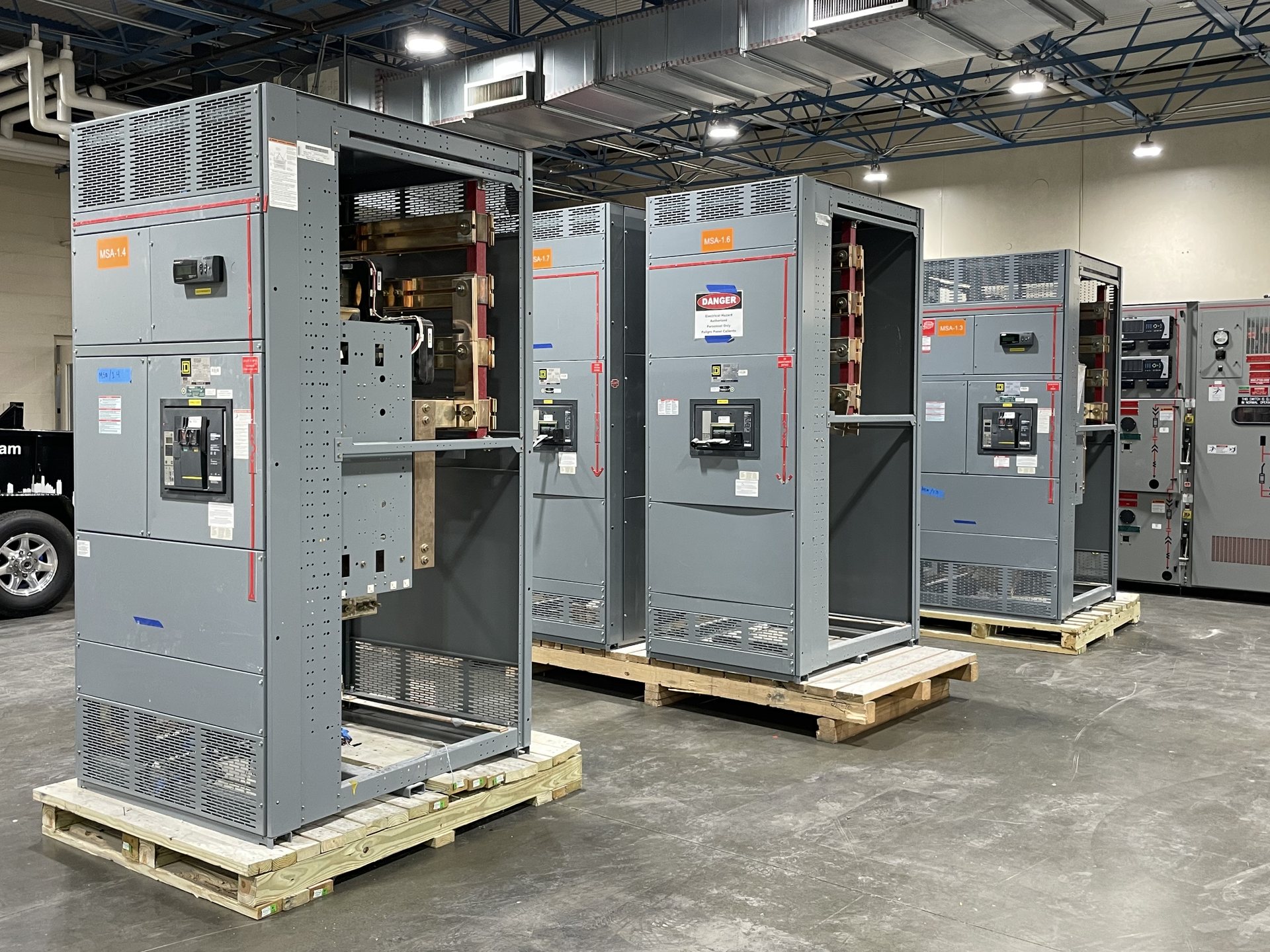
A motor control center, or MCC, groups equipment associated with controlling motors and related loads. It may consist of multiple vertical sections with individual units. For a sale, distinguish a complete lineup from detached units or spare components, because the count and arrangement help explain the actual inventory.
Your sale circumstances
Retired equipment can remain installed or be in storage. Explain when it becomes available and what the owner knows about its condition, while keeping retirement separate from a claim that it operates. The buyer reviews the proposed assets and handles necessary removal through qualified personnel if a purchase is agreed.
The person making the inquiry may be the owner or someone acting on the owner’s behalf. Clarifying who can authorize the sale and who controls site access gives both sides a practical starting point. The details can be worked out during review without asking the seller to arrange a removal crew.
How the buyer reviews condition
Be direct about the state of the lot as it is known. An assembly may be used, unused, incomplete, stored or still installed; none of those labels alone proves its present operating condition. Known damage and missing information can be disclosed without arranging a test or making claims beyond the records.
The buyer considers the equipment itself and the practical work needed to collect it. Quantity, identifying information, completeness, condition, access and timing can all affect the review. An inquiry does not guarantee an offer for every item or a particular amount, and the seller can decide whether to accept a proposed purchase.
Useful information to share
If they are already available, share the lineup identification, section count and information about the installed units. Note separately any loose buckets or spare units and whether they are included. A buyer can review incomplete records; a seller does not need to operate the equipment or remove components to prepare a description.
Records gathered for ordinary asset management may be enough for an initial review. A description of the type, count and location, plus any known model or rating, helps define the lot. A missing document or unreadable marking can be identified as such without opening or operating equipment.
What the buyer handles
Equipment of all voltage classes, from lower to higher voltage, is within our buying scope. We also buy switchgear from shut-down power plants and decommissioned data centers. After a purchase is agreed, our qualified personnel handle necessary disconnects, removal, crane work, rigging, loading, hauling and covered freight, with no seller testing or physical labor.
A seller does not have to prepare equipment electrically or demonstrate that it works. Avoid operating devices, opening covers or entering unsafe areas for photographs. The buyer’s qualified personnel handle the necessary disconnects and removal, coordinating access and the work with the authorized site representative.
Preparing the collection plan
Where a lot spans several rooms or buildings, a general description of the locations helps the buyer understand the work. It is not necessary to gather the assets into one area. The buyer’s qualified personnel handle required disconnects, removal, rigging and loading, along with the freight and hauling.
A practical handover identifies the assets, the authorized site contact and any restrictions on entry or work. The buyer coordinates its own crews and handles the work necessary to collect the agreed purchase. The seller need not package, load or arrange a shipment.
Cash offer and next steps
After reviewing the equipment and the practical details, the buyer may make a cash offer. Whether the transaction proceeds depends on the review and agreement with the authorized seller. An agreed purchase is paid upfront, with the buyer covering freight and handling collection.
Tell the buyer what equipment may be available and share any existing records that help define the lot. If the details or condition are uncertain, say so rather than investigating unsafe equipment. The seller does not test or handle removal; after the purchase is agreed, payment is upfront.