THE DETAILS SELLING SITUATIONS
Learn how to sell obsolete electrical equipment motor control center (MCC) in Michigan and request an equipment offer with freight coordination.
Describe the actual asset
For a Michigan owner considering a sale of motor control centers (MCCs), the first step is to describe what is available and what is known about it. The asset may be an installed assembly, stored equipment or part of a larger group. The buyer reviews the actual items and the practical conditions of their release.
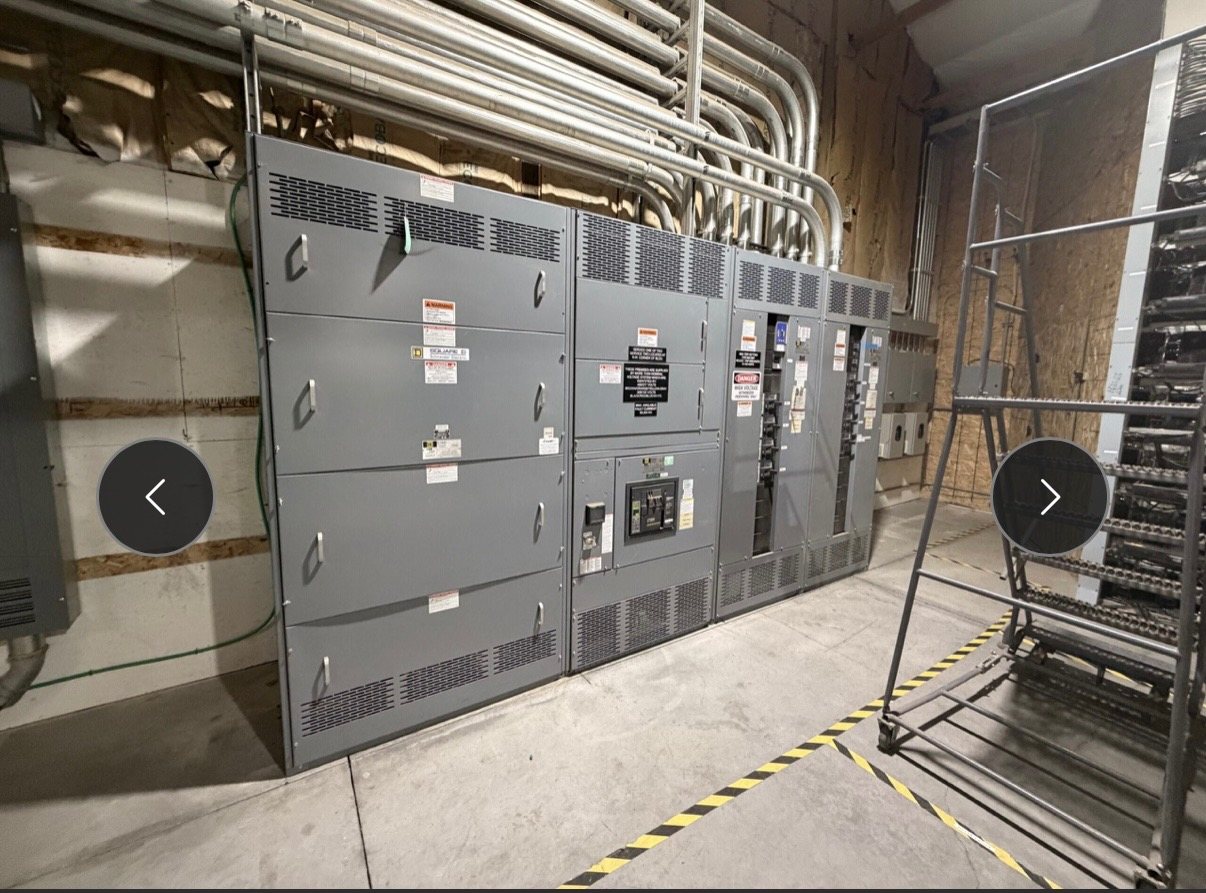
A motor control center, or MCC, groups equipment associated with controlling motors and related loads. It may consist of multiple vertical sections with individual units. For a sale, distinguish a complete lineup from detached units or spare components, because the count and arrangement help explain the actual inventory.
Your sale circumstances
Older or discontinued equipment may still be described using its existing manufacturer and model information, if known. Age alone does not establish condition, compatibility or value. The buyer can review the actual equipment and any available history; the owner does not need to promise that old devices are working.
A mixed inventory does not need to be sorted physically before it can be discussed. An existing list or a general description can distinguish assemblies from loose parts and identify items that are not for sale. The buyer handles the agreed collection instead of asking the owner to stage the inventory.
How the buyer reviews condition
Condition affects an offer, but a seller does not need to establish that a device operates. Describe known damage, missing pieces, storage history or prior use if those facts are available, and say when the operating condition is unknown. A retired or unused label is a description, not a substitute for a condition assessment.
Reviewing an asset means considering more than the number on a label. The buyer also needs to understand what is included, the known state of the equipment and how it can be released. There is no fixed price or automatic approval for every item; a cash offer may follow the review.
Useful information to share
If they are already available, share the lineup identification, section count and information about the installed units. Note separately any loose buckets or spare units and whether they are included. A buyer can review incomplete records; a seller does not need to operate the equipment or remove components to prepare a description.
Inventory information can be approximate at the first conversation. For example, an owner may know the number of lineups but not every component inside them. Describe the scope honestly and share existing exterior photographs when safe to do so. The buyer reviews unknowns rather than requiring seller testing.
What the buyer handles
Our buying scope includes all voltage classes, from lower-voltage distribution equipment through higher-voltage assets. We also buy switchgear from decommissioned data centers and shut-down power plants. For an agreed purchase, our qualified personnel handle the disconnects, removal, crane work, rigging, loading, hauling and freight; the seller performs no testing or physical work.
A device can present hazards even when its status is uncertain. Leave operation, necessary disconnects and removal to the buyer’s qualified personnel, coordinated with the site. Existing documents or safely accessible exterior photos are sufficient to start; a seller should not open equipment or enter unsafe areas for more detail.
Preparing the collection plan
If known, the equipment location, access windows, approximate size and building restrictions can help the buyer plan the work. Large or awkward pieces may need special lifting or a coordinated route. The buyer arranges qualified crews and equipment, including cranes and rigging where needed, and handles loading and hauling.
If site rules or another contractor’s schedule affect access, mention them during the discussion. The buyer coordinates its qualified personnel with the authorized site representative and handles the removal work. The seller is not required to hire a crew, package equipment or book a carrier.
Cash offer and next steps
Send an inquiry with whatever description is readily available. After review, the buyer may make a cash offer for the proposed assets. If the purchase is agreed, payment is upfront, while the buyer handles necessary work and covers freight. A review does not commit either party to a sale.
An existing equipment list or a brief description is a useful start. Include the general location and an authorized contact, along with any known release window. Information can remain incomplete; the buyer reviews the opportunity without asking the seller to test, disconnect, package or load the assets.