THE DETAILS SELLING SITUATIONS
Learn how to sell spare parts inventory busway in Michigan and request an equipment offer with freight coordination.
Describe the actual asset
For a Michigan owner considering a sale of busway, the first step is to describe what is available and what is known about it. The asset may be an installed assembly, stored equipment or part of a larger group. The buyer reviews the actual items and the practical conditions of their release.
Busway is a power-distribution assembly using conductors enclosed in a protective housing. A surplus lot can include straight lengths, fittings, supports or other associated pieces, but the contents vary. The useful starting point is a description of the actual pieces, not an assumption that the lot forms a complete run.
Your sale circumstances
Spare assemblies and loose parts should be distinguished from equipment that remains in a lineup. If a list exists, note the quantities and any known identifiers, and separate retained spares from the proposed sale. A mixed box can be described as mixed rather than assigned an unverified model or rating.
It is reasonable to start the conversation before every detail of a project is finalized. Share the intended scope and any timing that is already known, while identifying plans that may change. The buyer reviews those details before making an offer and agrees the collection arrangements with the authorized seller.
How the buyer reviews condition
Be direct about the state of the lot as it is known. An assembly may be used, unused, incomplete, stored or still installed; none of those labels alone proves its present operating condition. Known damage and missing information can be disclosed without arranging a test or making claims beyond the records.
The proposed lot and its release conditions form the basis of the buyer’s review. Available records, known condition and practical site access help explain that opportunity. A cash offer may be made after review, but the buyer does not promise that every asset has value or will be purchased.
Useful information to share
Existing inventory notes may show lengths, manufacturer, visible ratings and whether fittings or tap-off units are included. If pieces are stored apart, describe the separate groups and any packaging already present. Length and shape can influence handling, so approximate dimensions from existing records are helpful when available.
An owner may have an old schedule, purchase record or drawing that identifies the equipment. Those materials can be useful context, although the buyer must review what is actually included in the proposed sale. Where a document and the known inventory differ, note the discrepancy rather than assuming either is complete.
What the buyer handles
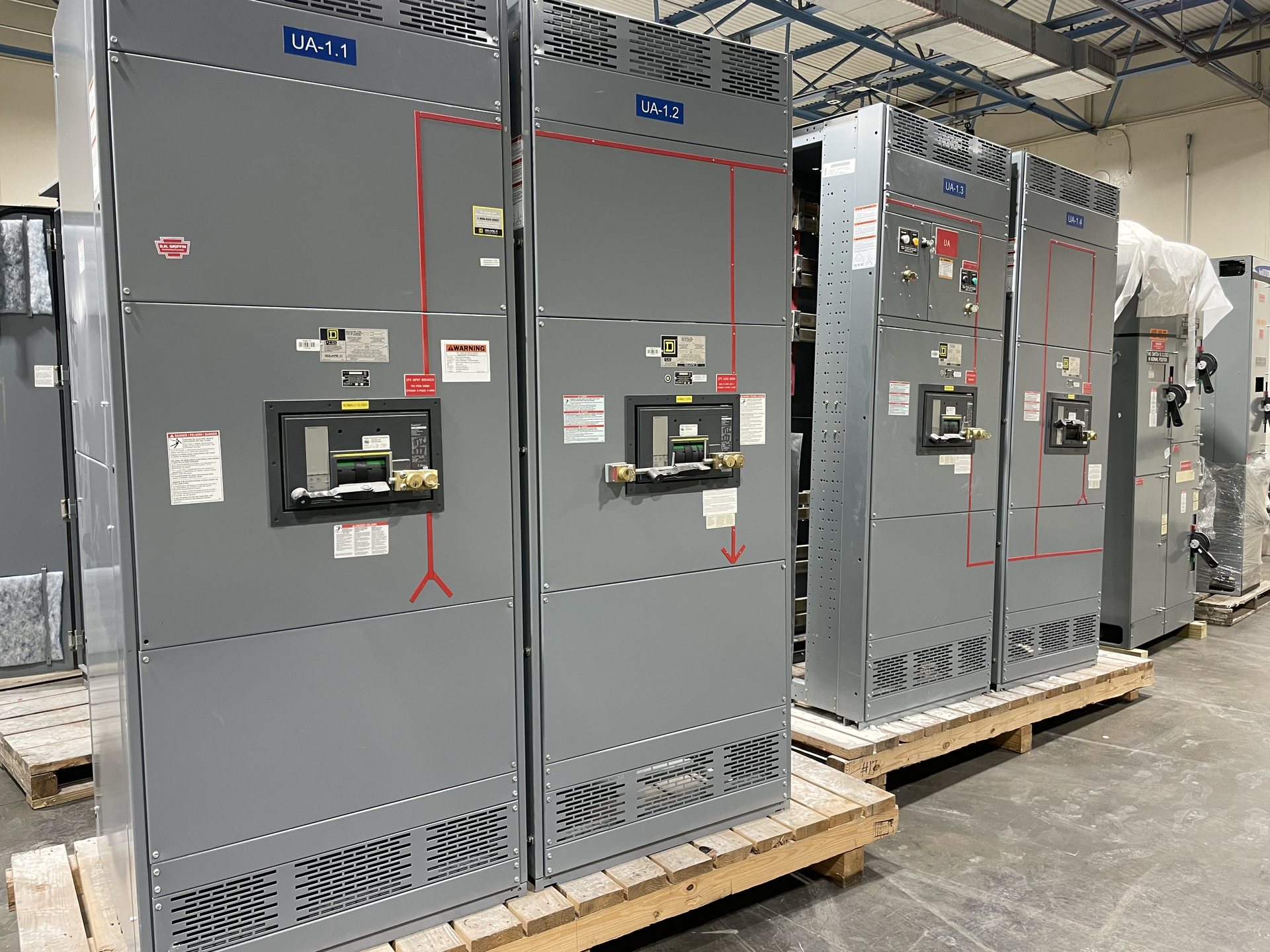
Equipment of all voltage classes, from lower to higher voltage, is within our buying scope. We also buy switchgear from shut-down power plants and decommissioned data centers. After a purchase is agreed, our qualified personnel handle necessary disconnects, removal, crane work, rigging, loading, hauling and covered freight, with no seller testing or physical labor.
Electrical equipment can present serious hazards even when it appears inactive. Do not operate devices, open enclosures or approach an unsafe area to prepare an inquiry. The buyer’s qualified personnel handle necessary electrical and removal work in coordination with the authorized site representative and applicable site procedures.
Preparing the collection plan
Access and timing are practical parts of a review, whether equipment sits in a warehouse or remains installed at a facility. Existing information about location and release windows is useful; exact measurements are not a prerequisite for an initial inquiry. The buyer coordinates the lifting, loading, hauling and freight.
A practical handover identifies the assets, the authorized site contact and any restrictions on entry or work. The buyer coordinates its own crews and handles the work necessary to collect the agreed purchase. The seller need not package, load or arrange a shipment.
Cash offer and next steps
An initial description lets the buyer review the equipment and any known access or timing considerations. A cash offer may be made after that review; the parties decide whether to agree to a purchase. For an agreed transaction, payment is upfront, and the buyer covers freight.
There is no need to assemble a perfect inventory before asking. Describe the proposed assets, identify an authorized contact and mention any known deadline. The buyer reviews the available facts; following an agreed purchase, payment is upfront and qualified buyer personnel do the physical work.