THE DETAILS SELLING SITUATIONS
Learn how to sell retired equipment switchgear in Michigan and request an equipment offer with freight coordination.
Describe the actual asset
For a Michigan owner considering a sale of switchgear, the first step is to describe what is available and what is known about it. The asset may be an installed assembly, stored equipment or part of a larger group. The buyer reviews the actual items and the practical conditions of their release.
Switchgear is an assembly used to control, protect and isolate parts of an electrical system. A proposed sale might cover a connected lineup, individual sections, or equipment already in storage; those are different descriptions. An existing or safely accessible exterior photo can help establish what is included without suggesting that its operating condition is known.
Your sale circumstances
Retired equipment can remain installed or be in storage. Explain when it becomes available and what the owner knows about its condition, while keeping retirement separate from a claim that it operates. The buyer reviews the proposed assets and handles necessary removal through qualified personnel if a purchase is agreed.
An owner may prefer one transaction or may have assets released at separate times. Describe the intended group and any dates already established; the buyer can discuss the practical scope during review. No particular offer, schedule or purchase of every asset is assumed just because an inquiry has been made.
How the buyer reviews condition
Age, storage and previous use are useful context, but they do not by themselves determine whether equipment works or what it is worth. Share known condition and any gaps in the record. The buyer evaluates the actual assets; a seller is not expected to certify a technical condition.
Equipment that looks similar can differ in its included components, condition and accessibility. For that reason, a review considers the actual lot and collection requirements rather than promising a value from a single detail. The owner remains free to consider the offer; a request is not an obligation to sell.
Useful information to share
For a switchgear lineup, existing records may show the manufacturer, voltage, current rating, number of sections and major devices. Note whether loose breakers, control components and documentation belong with the lineup. Separate items can be identified separately; do not assume that equipment sitting nearby is included in the sale.
A helpful description can be simple: the type and count of equipment, where it is located, and any manufacturer or rating information already on hand. If there are loose parts, identify them separately where possible. There is no need to create a technical report or guess at missing information before contacting the buyer.
What the buyer handles
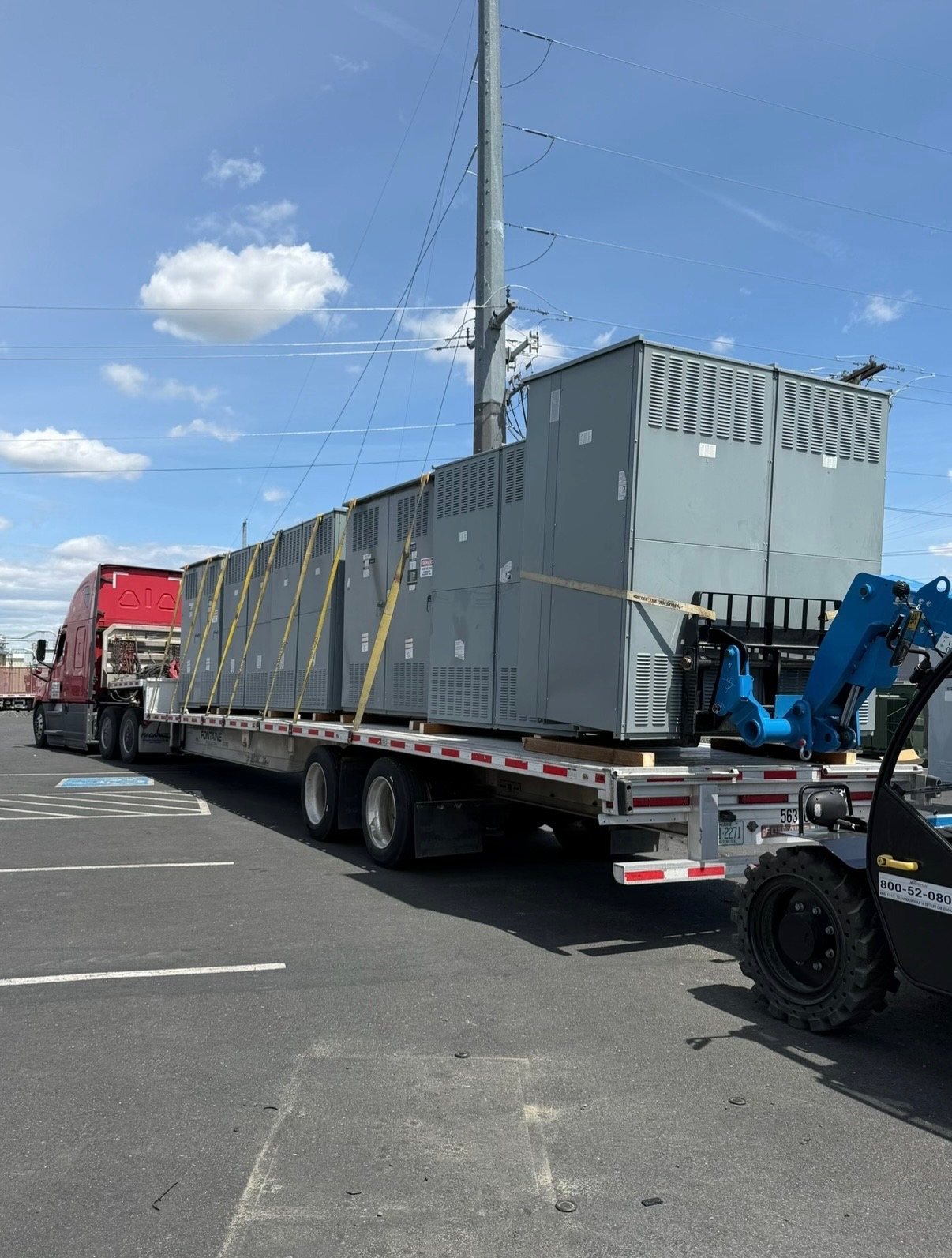
Our review can cover all voltage classes; our buying scope includes switchgear from decommissioned data centers and shut-down power plants. For a purchase both parties agree to, qualified buyer personnel handle necessary disconnects, removal, crane and rigging work, loading and hauling. Freight is covered, with no testing or physical work by the seller.
Electrical equipment can present serious hazards even when it appears inactive. Do not operate devices, open enclosures or approach an unsafe area to prepare an inquiry. The buyer’s qualified personnel handle necessary electrical and removal work in coordination with the authorized site representative and applicable site procedures.
Preparing the collection plan
For a large or awkward assembly, collection planning may involve lifting equipment and space to maneuver. A seller can mention known access restrictions without finding a carrier or arranging a crane. The buyer handles required rigging, loading and hauling with qualified personnel and covers freight.
Where assets are released in stages, the owner can describe the planned windows if known. The buyer reviews the schedule and coordinates the necessary work; there is no promise of an immediate visit or a particular collection date before agreement. The seller does not handle the freight.
Cash offer and next steps
Send an inquiry with whatever description is readily available. After review, the buyer may make a cash offer for the proposed assets. If the purchase is agreed, payment is upfront, while the buyer handles necessary work and covers freight. A review does not commit either party to a sale.
To start, describe the assets you want considered and provide an authorized contact. Existing identification, condition notes and timing are useful when available, but uncertain details can be labeled unknown. The buyer reviews the opportunity, pays upfront for an agreed purchase and takes care of the physical work.