THE DETAILS SELLING SITUATIONS
Learn how to sell scheduled equipment removal panelboard in Michigan and request an equipment offer with freight coordination.
Describe the actual asset
For a Michigan owner considering a sale of panelboards, the first step is to describe what is available and what is known about it. The asset may be an installed assembly, stored equipment or part of a larger group. The buyer reviews the actual items and the practical conditions of their release.
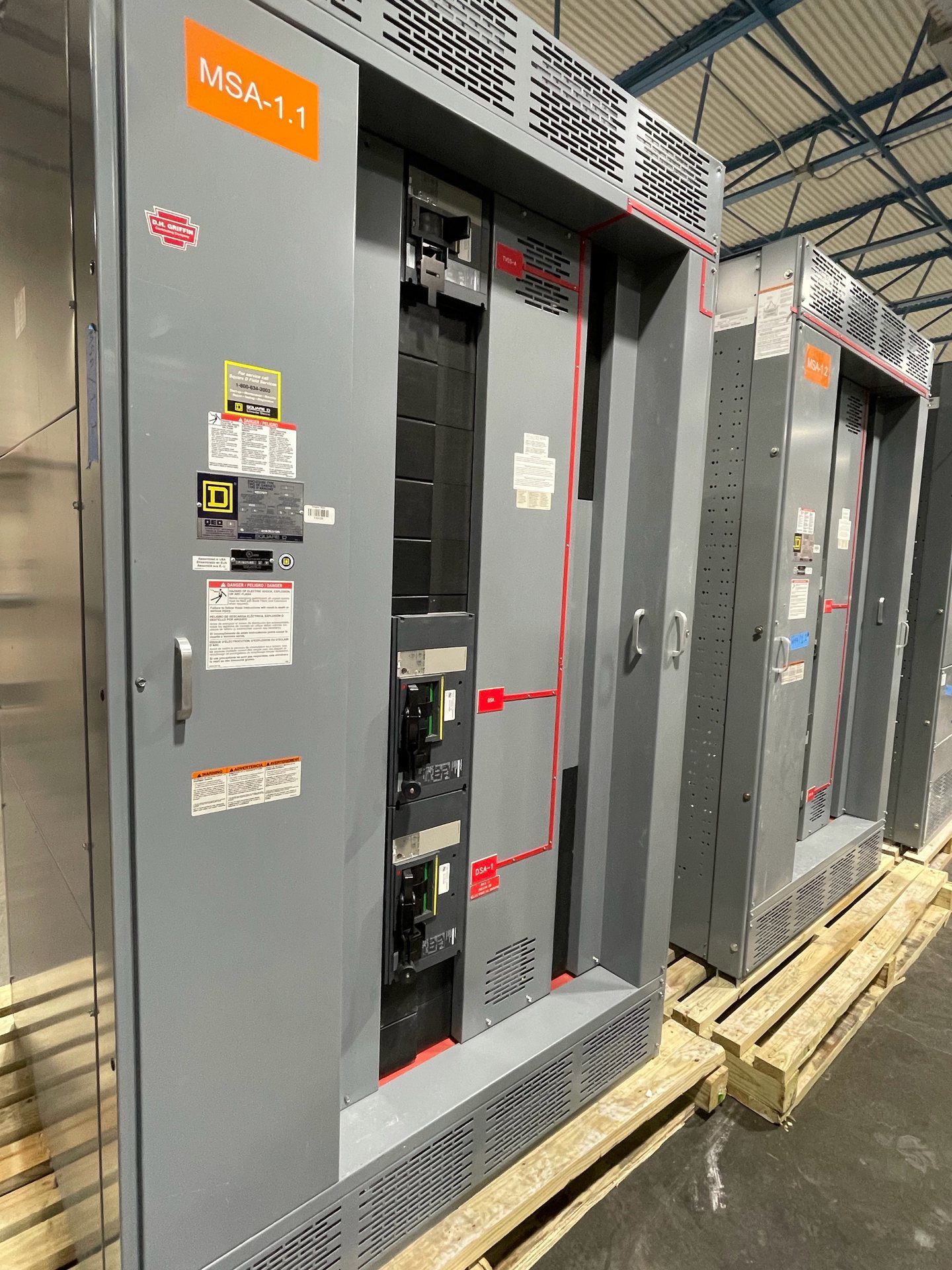
A panelboard distributes electricity to branch circuits and may be a standalone surplus item or one part of a larger group. The enclosure, installed devices and available identification all help describe it. A panelboard and a large switchgear lineup are not interchangeable just because both distribute electrical power.
Your sale circumstances
If equipment has a planned release date, share that date or window when making the inquiry. The buyer handles necessary disconnects, removal, crane work, rigging and loading with qualified personnel, rather than requiring the seller to do the work. A schedule is coordinated after review; immediate collection is not assumed.
Equipment can become surplus for many reasons, including a change in operations, a replacement project or a decision to clear storage. The reason helps explain when it may be released, but it does not establish condition. The buyer reviews the actual assets and their availability rather than assuming a project is complete.
How the buyer reviews condition
If the history is incomplete, say so. The buyer can review an item identified as untested or a lineup with missing information, taking that uncertainty into account. Information about visible damage or missing components is helpful when already known, but the owner is not asked to perform a technical inspection.
Two lots with the same equipment type can present different purchase considerations because their contents and site conditions differ. The buyer reviews known condition, documentation, quantity and the practical removal requirements. An offer is subject to that review, and the owner chooses whether to accept the terms proposed.
Useful information to share
Existing panelboard information might include its manufacturer, enclosure, voltage and current markings and whether branch devices are included. If several panels are offered, a short itemized list is clearer than assuming they are identical. Unknown ratings or missing covers can simply be reported as unknown or missing.
If an inventory or photograph already exists, it can help the buyer distinguish the proposed assets from equipment that is staying. The manufacturer, model, visible markings and approximate number of sections may be useful. A seller can also say that a detail is unknown; the buyer reviews the information available.
What the buyer handles
Our review can cover all voltage classes; our buying scope includes switchgear from decommissioned data centers and shut-down power plants. For a purchase both parties agree to, qualified buyer personnel handle necessary disconnects, removal, crane and rigging work, loading and hauling. Freight is covered, with no testing or physical work by the seller.
A seller does not have to prepare equipment electrically or demonstrate that it works. Avoid operating devices, opening covers or entering unsafe areas for photographs. The buyer’s qualified personnel handle the necessary disconnects and removal, coordinating access and the work with the authorized site representative.
Preparing the collection plan
Known site restrictions, an approximate release window and existing equipment dimensions help frame the pickup discussion. The buyer reviews the circumstances before the parties agree on a collection plan. On an agreed purchase, the buyer arranges the necessary physical work, loading, hauling and freight.
A property handover, controlled entrance or limited work window may affect the collection plan. Tell the buyer what is already known, and agree the timing before work begins. The buyer handles the physical work and covered freight; the owner does not have to make the shipment ready.
Cash offer and next steps
An initial description lets the buyer review the equipment and any known access or timing considerations. A cash offer may be made after that review; the parties decide whether to agree to a purchase. For an agreed transaction, payment is upfront, and the buyer covers freight.
If you have an existing list or a few safely accessible exterior photos, those can accompany the inquiry; a short description also works. Include any known deadline and identify who can authorize the sale. The seller does no testing or physical work, and the buyer plans the agreed collection after upfront payment.