THE DETAILS EQUIPMENT
Sell switchboard in Michigan. Review cash offer process considerations, documentation, cash offers and freight coordination.
Understanding the asset
An owner considering selling switchboards in Michigan can start with a description of the actual assets and the proposed release. The equipment may be installed, in storage or part of a mixed lot. The buyer reviews what is offered rather than assuming that similarly named items are alike.
A switchboard brings distribution and protective devices together in an assembly that may be made up of several sections. An owner can describe the whole lineup or a partial group of sections. That distinction matters because the buyer needs to understand what is actually being offered, rather than infer completeness from a single exterior view.
The situation behind the sale
An inquiry begins with the available description, not with a seller-funded test. The buyer reviews the equipment and relevant site details, then may make a cash offer. If the parties agree on a purchase, payment is upfront, and the buyer arranges the physical work and covered freight.
A release date and a site closure date are not necessarily the same. Some assets might remain in place longer than others or require an agreed access window. If the schedule is known, the buyer can take it into account while reviewing the equipment; the owner does not have to move it first.
Details that identify the lot
Useful existing switchboard details include the manufacturer, visible ratings, section count and any information about main and feeder devices. If known, explain whether the assembly remains installed or was previously removed. A partial lineup can be described honestly, with missing or uncertain components noted rather than guessed.
Existing asset lists, project documents and exterior photographs can help identify what the owner intends to sell. Useful details may include manufacturer, model, ratings, quantities and the general location of each group. Share only what is already known or safely accessible; an incomplete list is a reasonable starting point for a conversation.
Condition and purchase review
Unknown history is not the same as a claim that equipment has failed. Equally, a clean exterior or a complete-looking lineup is not proof that it works. A seller can describe the facts available, note missing components and let the buyer review the equipment without seller-conducted tests.
A complete description helps the buyer assess the scope, but it does not guarantee an offer or a particular price. Quantity, components, access, timing and uncertainty can all matter. The seller can consider any cash offer without an obligation to accept it merely because an inquiry was submitted.
What the buyer handles
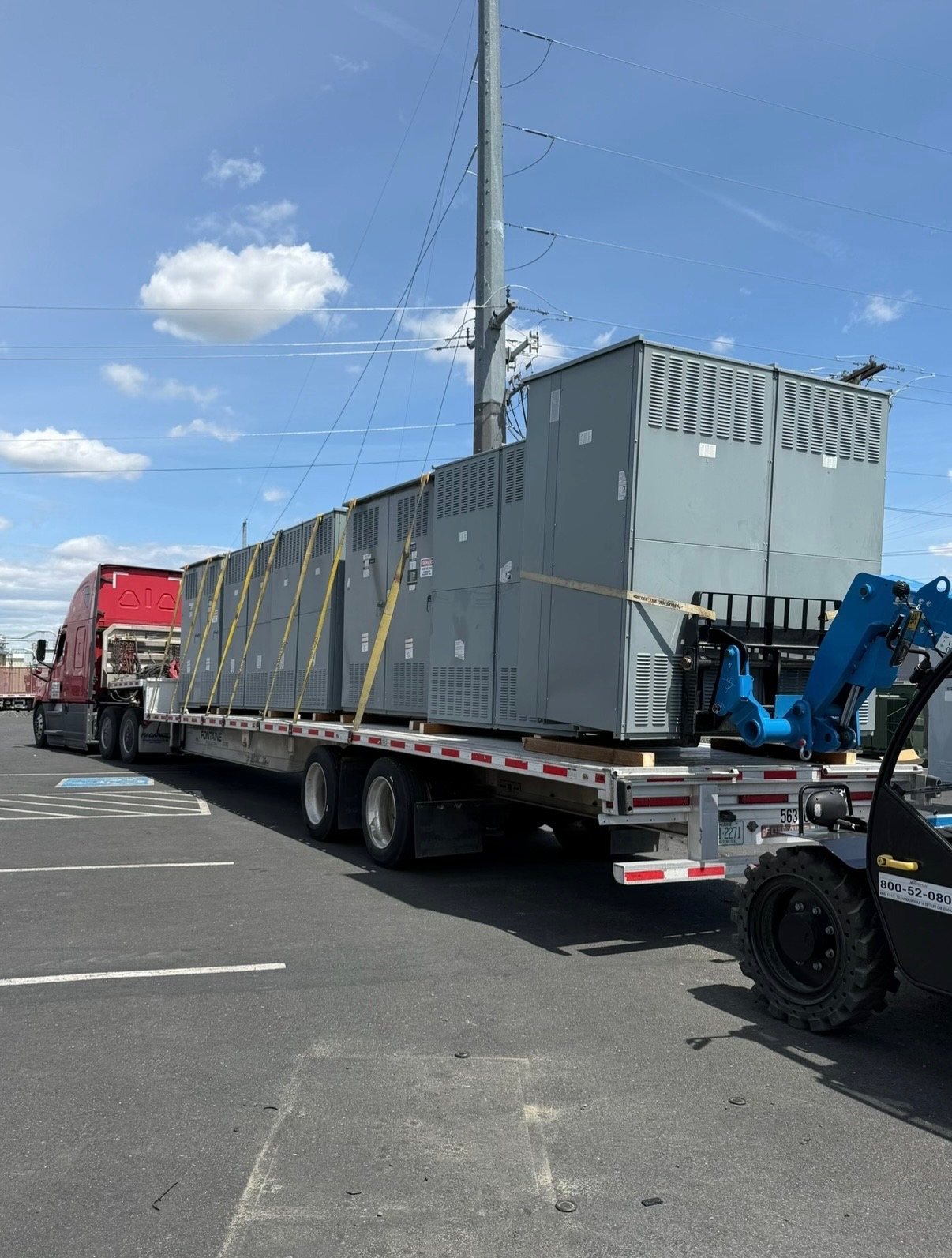
Our review can cover all voltage classes; our buying scope includes switchgear from decommissioned data centers and shut-down power plants. For a purchase both parties agree to, qualified buyer personnel handle necessary disconnects, removal, crane and rigging work, loading and hauling. Freight is covered, with no testing or physical work by the seller.
Leave electrical operations and removal to qualified personnel working for the buyer. The owner does not need to energize, test, disconnect or open equipment for an offer. If an identifying detail cannot be obtained safely, it can be reported as unknown rather than investigated.
Planning access and freight
For a collection plan, the buyer considers the equipment’s location, size and any known site restrictions. If several rooms or release dates are involved, those can be discussed as part of the proposed purchase. The buyer’s qualified personnel perform the on-site work and arrange the covered freight.
A practical handover identifies the assets, the authorized site contact and any restrictions on entry or work. The buyer coordinates its own crews and handles the work necessary to collect the agreed purchase. The seller need not package, load or arrange a shipment.
From inquiry to payment
There is no obligation to sell simply because an owner describes surplus equipment. The buyer reviews the lot and may make a cash offer. If both sides agree on the purchase, the seller receives upfront payment, and the buyer takes care of covered freight.
To start, describe the assets you want considered and provide an authorized contact. Existing identification, condition notes and timing are useful when available, but uncertain details can be labeled unknown. The buyer reviews the opportunity, pays upfront for an agreed purchase and takes care of the physical work.