THE DETAILS EQUIPMENT
Sell panelboard in Michigan. Review nameplates and identification considerations, documentation, cash offers and freight coordination.
Understanding the asset
An owner considering selling panelboards in Michigan can start with a description of the actual assets and the proposed release. The equipment may be installed, in storage or part of a mixed lot. The buyer reviews what is offered rather than assuming that similarly named items are alike.
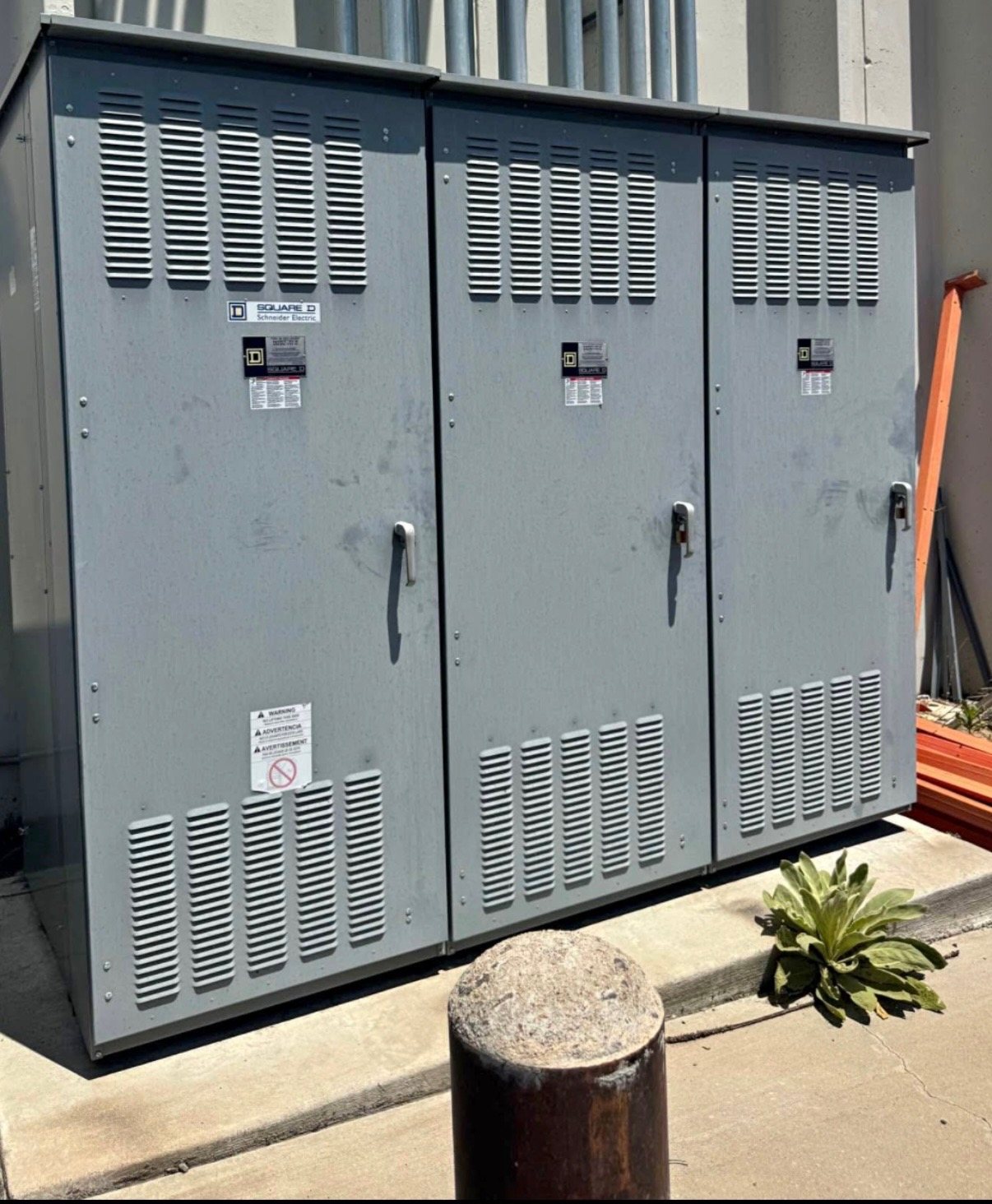
A panelboard distributes electricity to branch circuits and may be a standalone surplus item or one part of a larger group. The enclosure, installed devices and available identification all help describe it. A panelboard and a large switchgear lineup are not interchangeable just because both distribute electrical power.
The situation behind the sale
A nameplate can contain a manufacturer, model and electrical ratings, but the exact information varies by item. Existing photos of safely accessible exterior labels are useful; an unknown or missing label can be reported as such. Never remove a cover or approach an unsafe area just to collect a detail.
It is reasonable to start the conversation before every detail of a project is finalized. Share the intended scope and any timing that is already known, while identifying plans that may change. The buyer reviews those details before making an offer and agrees the collection arrangements with the authorized seller.
Details that identify the lot
Existing panelboard information might include its manufacturer, enclosure, voltage and current markings and whether branch devices are included. If several panels are offered, a short itemized list is clearer than assuming they are identical. Unknown ratings or missing covers can simply be reported as unknown or missing.
A short list can identify individual equipment groups and note which are installed and which are stored, if that information is already known. Existing labels or project records add context. The buyer can ask about gaps; the seller is not expected to make technical determinations or certify the contents.
Condition and purchase review
If the history is incomplete, say so. The buyer can review an item identified as untested or a lineup with missing information, taking that uncertainty into account. Information about visible damage or missing components is helpful when already known, but the owner is not asked to perform a technical inspection.
The scope of the sale influences the review: a complete lineup, a few sections and loose devices are not necessarily the same proposition. So do known condition, site access and the timing of release. The buyer can make a cash offer following review, but there is no promise to purchase every asset.
What the buyer handles
Equipment of all voltage classes, from lower to higher voltage, is within our buying scope. We also buy switchgear from shut-down power plants and decommissioned data centers. After a purchase is agreed, our qualified personnel handle necessary disconnects, removal, crane work, rigging, loading, hauling and covered freight, with no seller testing or physical labor.
A photo is optional and should only be taken from a safe, authorized location. Do not manipulate devices or remove covers for a better view. The buyer’s qualified personnel handle necessary disconnects and removal, working with the authorized site contact and the applicable site procedures.
Planning access and freight
For a large or awkward assembly, collection planning may involve lifting equipment and space to maneuver. A seller can mention known access restrictions without finding a carrier or arranging a crane. The buyer handles required rigging, loading and hauling with qualified personnel and covers freight.
If equipment ownership or access is controlled by more than one party, identify the authorized contact for the proposed sale. The buyer can then discuss the practical handover and coordinate its personnel. Identifying a contact is not a requirement for the seller to disconnect, load or transport the equipment.
From inquiry to payment
Start with the information at hand and the proposed release. The buyer reviews the assets and may present a cash offer; an offer and acceptance depend on the equipment and transaction details. Once a purchase is agreed, payment is upfront, and freight is covered by the buyer.
A seller can start with a short message about the assets and the site. Existing identification and condition notes are welcome when available, while gaps can be left open. The buyer considers the information and handles the removal and freight after the parties agree and the seller is paid upfront.