THE DETAILS EQUIPMENT
Sell switchboard in Michigan. Review industrial closure considerations, documentation, cash offers and freight coordination.
Understanding the asset
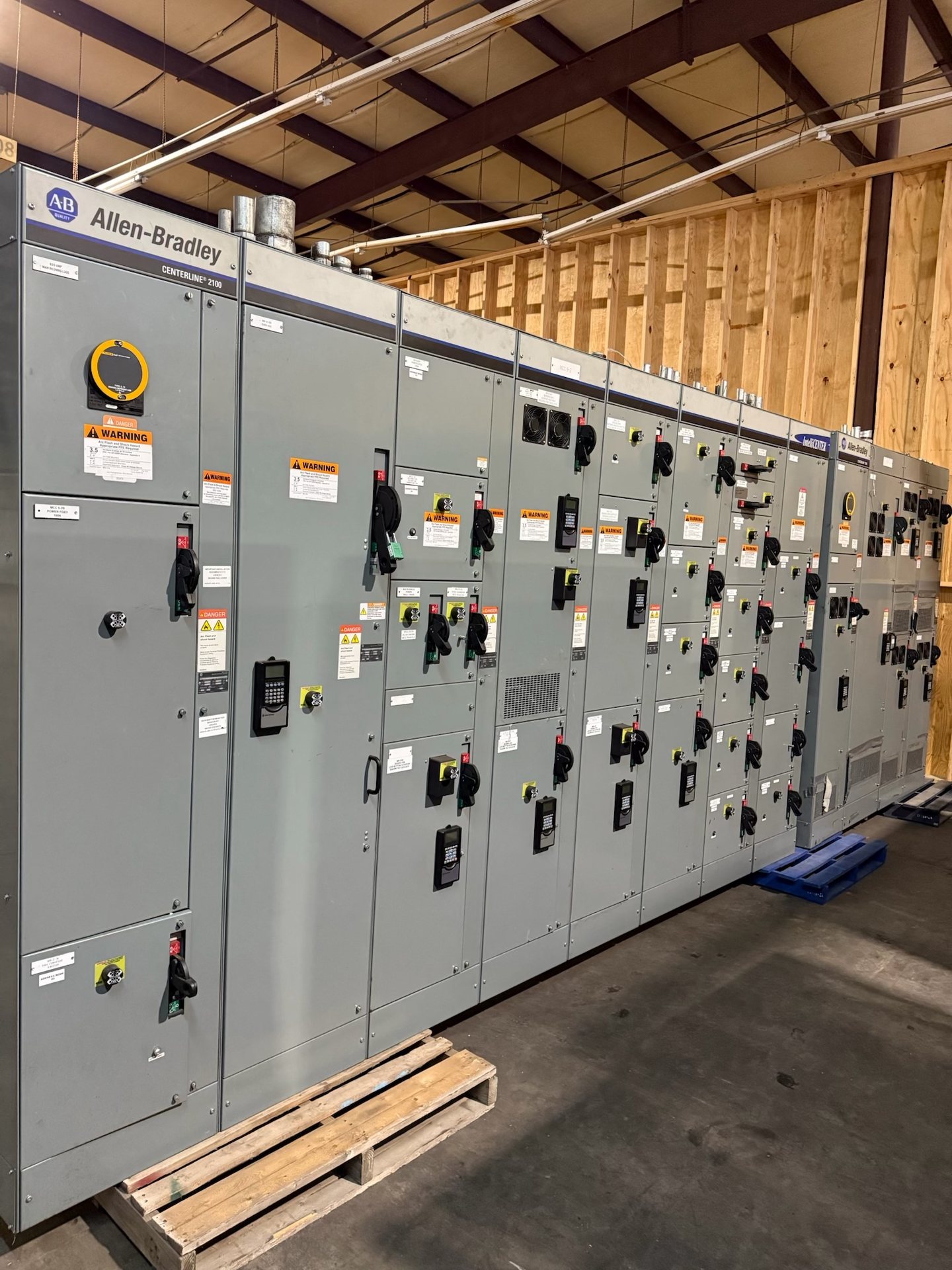
An owner considering selling switchboards in Michigan can start with a description of the actual assets and the proposed release. The equipment may be installed, in storage or part of a mixed lot. The buyer reviews what is offered rather than assuming that similarly named items are alike.
A switchboard brings distribution and protective devices together in an assembly that may be made up of several sections. An owner can describe the whole lineup or a partial group of sections. That distinction matters because the buyer needs to understand what is actually being offered, rather than infer completeness from a single exterior view.
The situation behind the sale
In a closure, ownership, release dates and the boundary of the sale deserve attention alongside the equipment list. Existing project documents may distinguish assets staying with a property from those available for purchase. The buyer coordinates professional removal for the agreed items after the parties agree on terms.
The boundary of the proposed sale is worth settling early. An owner may want to keep some devices, records or accessories while offering the main assembly. Sharing that distinction helps the buyer review the right assets and avoids assuming that everything in the same room belongs to the lot.
Details that identify the lot
Useful existing switchboard details include the manufacturer, visible ratings, section count and any information about main and feeder devices. If known, explain whether the assembly remains installed or was previously removed. A partial lineup can be described honestly, with missing or uncertain components noted rather than guessed.
The most useful inventory is one that describes the property being offered, not every item on a project. Available manufacturer markings, quantities and a broad location can help. When one figure refers to a component rather than the complete assembly, preserve that distinction and leave uncertain fields blank.
Condition and purchase review
An owner’s records might establish that an asset was removed from service, but that is different from establishing its current condition. State the known facts, including any incomplete parts or damage, and leave the rest uncertain. The buyer makes its own purchase review without requiring the seller to test the asset.
A stored spare and an installed lineup may require different handling even when they serve related purposes. The buyer takes the equipment and collection circumstances into account when deciding whether to make an offer. Any amount and transaction terms are agreed with the authorized seller, not inferred from a general description.
What the buyer handles
All voltage classes are within the buying scope, including switchgear from shut-down power plants and decommissioned data centers. After an agreement, the buyer’s qualified personnel handle necessary disconnects, removal, crane work, rigging, loading, freight and hauling. The buyer covers freight; the seller does no testing or physical removal work.
There is no reason for an owner to operate equipment or expose its interior to request an offer. Use only existing records and information that can be obtained safely. The buyer’s qualified personnel handle the necessary electrical disconnects and physical removal in coordination with the authorized site representative.
Planning access and freight
For a large or awkward assembly, collection planning may involve lifting equipment and space to maneuver. A seller can mention known access restrictions without finding a carrier or arranging a crane. The buyer handles required rigging, loading and hauling with qualified personnel and covers freight.
A site contact can explain any entry approvals or work windows already established. That helps the buyer coordinate qualified personnel with the site, but it does not require the seller to supply labor or organize transport. The exact collection schedule is agreed as part of the transaction.
From inquiry to payment
The process is straightforward: share the available description, let the buyer review the equipment and site details, and consider any cash offer made. Offers are subject to review and the parties’ agreement; not every item is necessarily purchased. For an accepted purchase, payment is upfront, and the buyer covers freight.
A useful first message need not be polished: identify the general equipment, where it is and whether it is still installed, if known. Mention any release date already established. The buyer can review missing details without requiring the seller to test the equipment, arrange labor or organize freight.