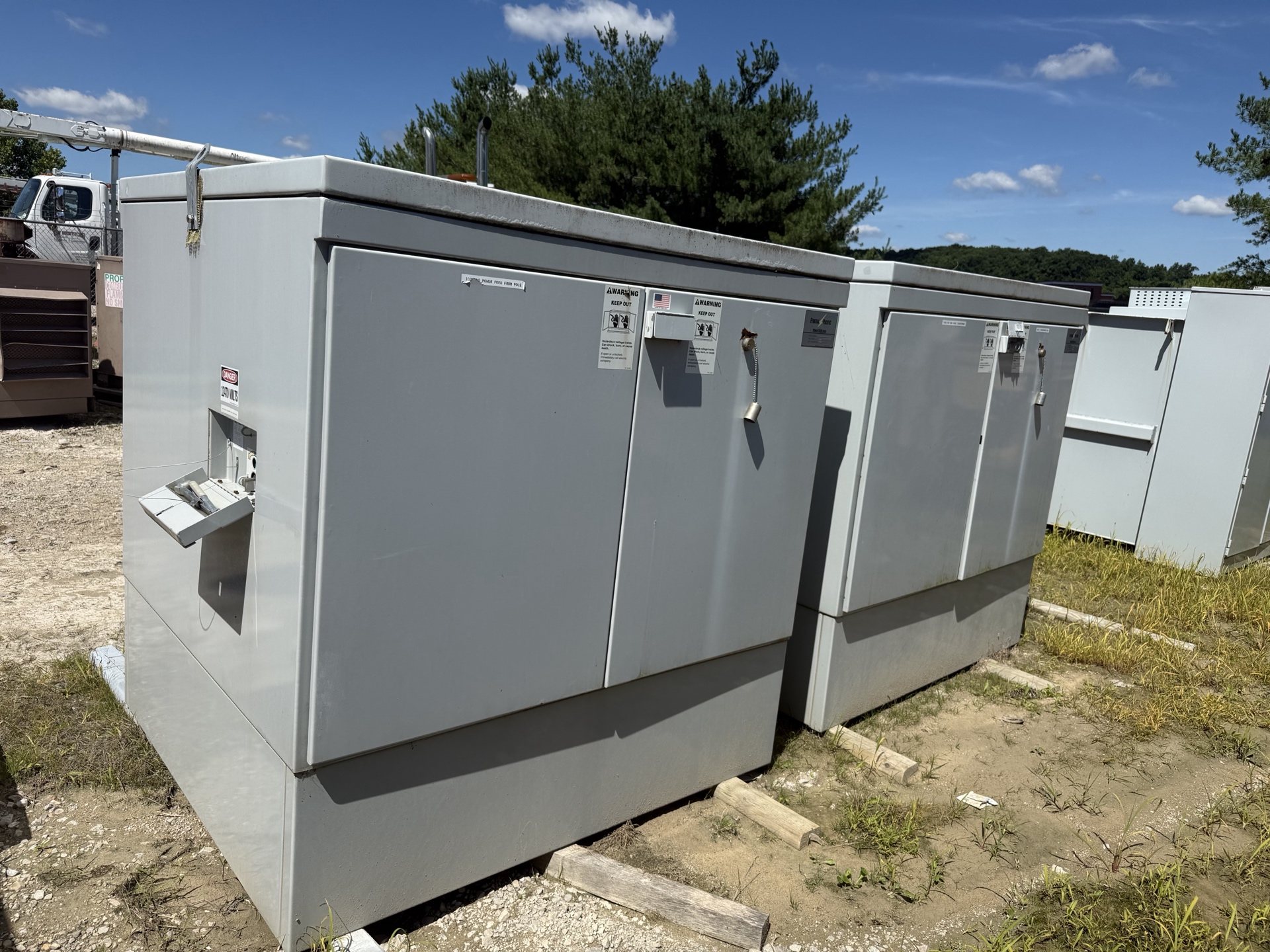
THE DETAILS VOLTAGE & AMP RATINGS
Explore selling surplus electrical equipment marked 120/208-volt in Michigan, with clear identification and offer planning.
What the marking tells you
A Michigan owner can inquire about 120/208-volt electrical distribution equipment whether it is still in place or already in storage. The rating provides one useful clue, but it is only part of the description. The buyer reviews the actual equipment, available information and collection requirements before deciding whether to make an offer.
A 120/208-volt marking is a voltage description. On a suitably marked three-phase, four-wire system it commonly refers to 120 volts line-to-neutral and 208 volts line-to-line; the full nameplate and system context matter. The number alone does not establish a piece of equipment’s complete ratings, condition or suitability for another system.
Details beyond one rating
An existing nameplate or asset record may show additional voltage, current and other markings. Keep the information attached to the particular assembly or device it describes; a neighboring component may carry different ratings. A missing label can be noted as unknown, and no seller measurements or testing are required.
Records do not need to be perfect to start an inquiry. An existing equipment list, a broad description and any safely accessible exterior photos can establish the scope. Note whether the offer concerns a complete assembly, a partial lineup or individual pieces, and avoid attributing an unverified rating to the whole group.
The proposed sale
A mixed lot may contain assets with different voltage and current markings. If the information is already available, identify each item or group separately rather than applying one rating to the whole lot. The buyer reviews the equipment as described, including gaps and any loose components.
An owner may prefer one transaction or may have assets released at separate times. Describe the intended group and any dates already established; the buyer can discuss the practical scope during review. No particular offer, schedule or purchase of every asset is assumed just because an inquiry has been made.
Condition and offer review
Be direct about the state of the lot as it is known. An assembly may be used, unused, incomplete, stored or still installed; none of those labels alone proves its present operating condition. Known damage and missing information can be disclosed without arranging a test or making claims beyond the records.
A complete description helps the buyer assess the scope, but it does not guarantee an offer or a particular price. Quantity, components, access, timing and uncertainty can all matter. The seller can consider any cash offer without an obligation to accept it merely because an inquiry was submitted.
Qualified work and safety
Our review can cover all voltage classes; our buying scope includes switchgear from decommissioned data centers and shut-down power plants. For a purchase both parties agree to, qualified buyer personnel handle necessary disconnects, removal, crane and rigging work, loading and hauling. Freight is covered, with no testing or physical work by the seller.
Leave electrical operations and removal to qualified personnel working for the buyer. The owner does not need to energize, test, disconnect or open equipment for an offer. If an identifying detail cannot be obtained safely, it can be reported as unknown rather than investigated.
Access and freight
Known site restrictions, an approximate release window and existing equipment dimensions help frame the pickup discussion. The buyer reviews the circumstances before the parties agree on a collection plan. On an agreed purchase, the buyer arranges the necessary physical work, loading, hauling and freight.
A site contact can explain any entry approvals or work windows already established. That helps the buyer coordinate qualified personnel with the site, but it does not require the seller to supply labor or organize transport. The exact collection schedule is agreed as part of the transaction.
Request an offer
An inquiry is a request for review, not an automatic purchase. The buyer considers the available information and may make a cash offer, with the details agreed by the authorized seller. On an agreed purchase, payment is upfront; the buyer covers freight and handles the necessary physical work.
A useful first message need not be polished: identify the general equipment, where it is and whether it is still installed, if known. Mention any release date already established. The buyer can review missing details without requiring the seller to test the equipment, arrange labor or organize freight.