THE DETAILS VOLTAGE & AMP RATINGS
Explore selling surplus electrical equipment marked 120/208-volt in Michigan, with clear identification and offer planning.
What the marking tells you
A Michigan owner can inquire about 120/208-volt electrical distribution equipment whether it is still in place or already in storage. The rating provides one useful clue, but it is only part of the description. The buyer reviews the actual equipment, available information and collection requirements before deciding whether to make an offer.
A 120/208-volt marking is a voltage description. On a suitably marked three-phase, four-wire system it commonly refers to 120 volts line-to-neutral and 208 volts line-to-line; the full nameplate and system context matter. The number alone does not establish a piece of equipment’s complete ratings, condition or suitability for another system.
Details beyond one rating
An existing nameplate or asset record may show additional voltage, current and other markings. Keep the information attached to the particular assembly or device it describes; a neighboring component may carry different ratings. A missing label can be noted as unknown, and no seller measurements or testing are required.
A short list can identify individual equipment groups and note which are installed and which are stored, if that information is already known. Existing labels or project records add context. The buyer can ask about gaps; the seller is not expected to make technical determinations or certify the contents.
The proposed sale
Equipment with the same headline marking can differ in manufacturer, construction, included components and condition. Describe the actual assets being offered rather than assuming that the rating makes two assemblies equivalent. A buyer can review a mixed or partly documented lot, but any offer depends on the details available.
Equipment can become surplus for many reasons, including a change in operations, a replacement project or a decision to clear storage. The reason helps explain when it may be released, but it does not establish condition. The buyer reviews the actual assets and their availability rather than assuming a project is complete.
Condition and offer review
Condition affects an offer, but a seller does not need to establish that a device operates. Describe known damage, missing pieces, storage history or prior use if those facts are available, and say when the operating condition is unknown. A retired or unused label is a description, not a substitute for a condition assessment.
There is no reliable way to assign a universal price from equipment type, age or rating alone. The buyer reviews the described items along with the work and access needed for collection. An offer is subject to that review and to agreement on the purchase; the seller is not committed merely by asking.
Qualified work and safety
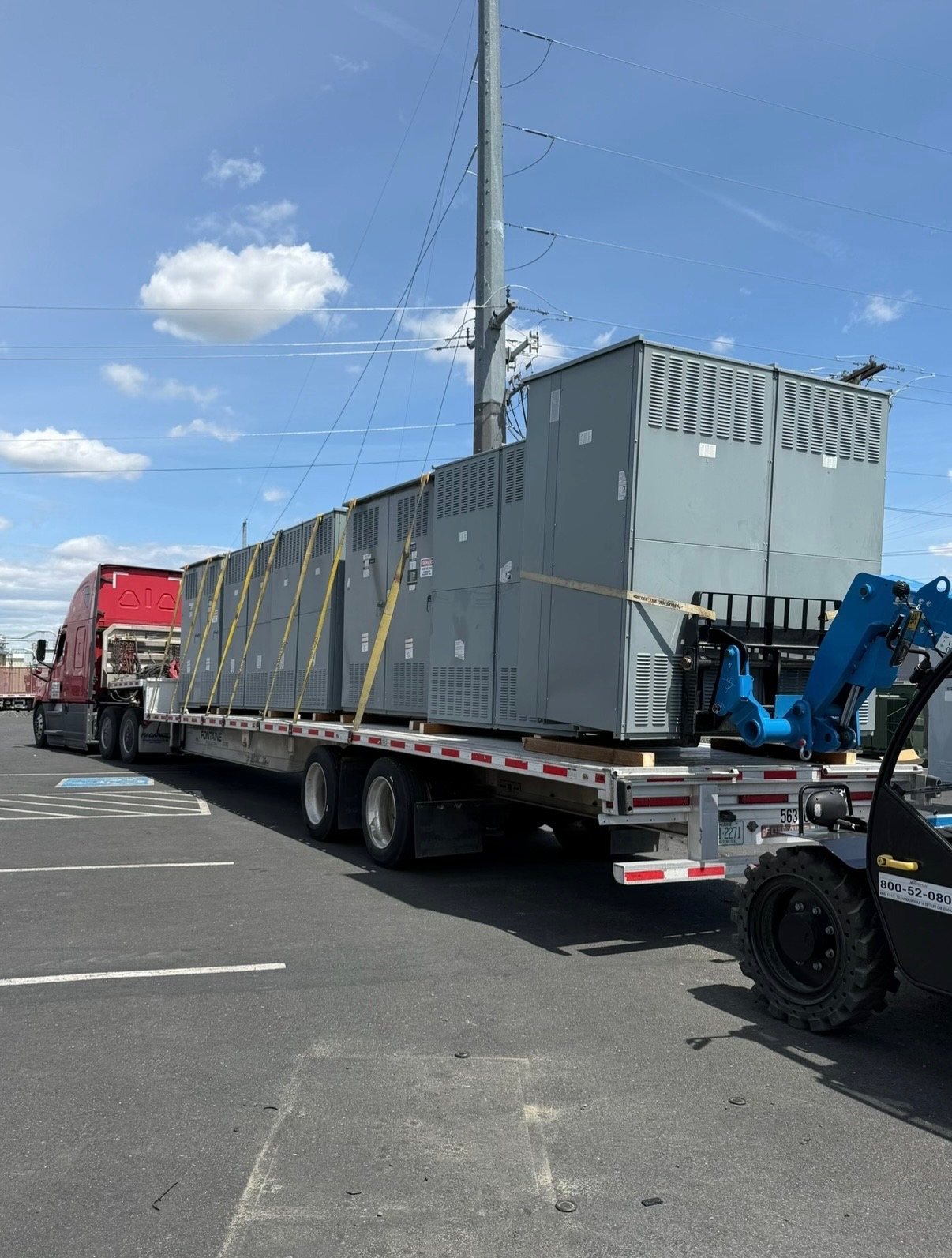
We buy electrical distribution equipment of all voltage classes, and we buy switchgear from decommissioned data centers and shut-down power plants. For an agreed purchase, our qualified personnel handle necessary disconnects, removal, crane work, rigging, loading and hauling. The buyer covers freight, and the seller does no testing or physical work.
A photo is optional and should only be taken from a safe, authorized location. Do not manipulate devices or remove covers for a better view. The buyer’s qualified personnel handle necessary disconnects and removal, working with the authorized site contact and the applicable site procedures.
Access and freight
A freight plan considers more than a destination. The buyer may need to coordinate access to the equipment, lifting and a route out of the site. Existing dimensions or site rules are helpful when available. The buyer handles the on-site physical work, loading, hauling and covered freight.
If equipment ownership or access is controlled by more than one party, identify the authorized contact for the proposed sale. The buyer can then discuss the practical handover and coordinate its personnel. Identifying a contact is not a requirement for the seller to disconnect, load or transport the equipment.
Request an offer
The seller can request a cash offer with the information already available. The buyer reviews the assets and transaction details, and not every item is necessarily accepted. If a purchase is agreed, payment is upfront; the buyer handles the physical work and covers freight.
A first conversation can begin with the equipment type, location and the owner’s intended release. Safely accessible existing photos or records can help but are not a demand to enter an unsafe area. The buyer handles the agreed work, and the seller does not perform testing or physical removal.