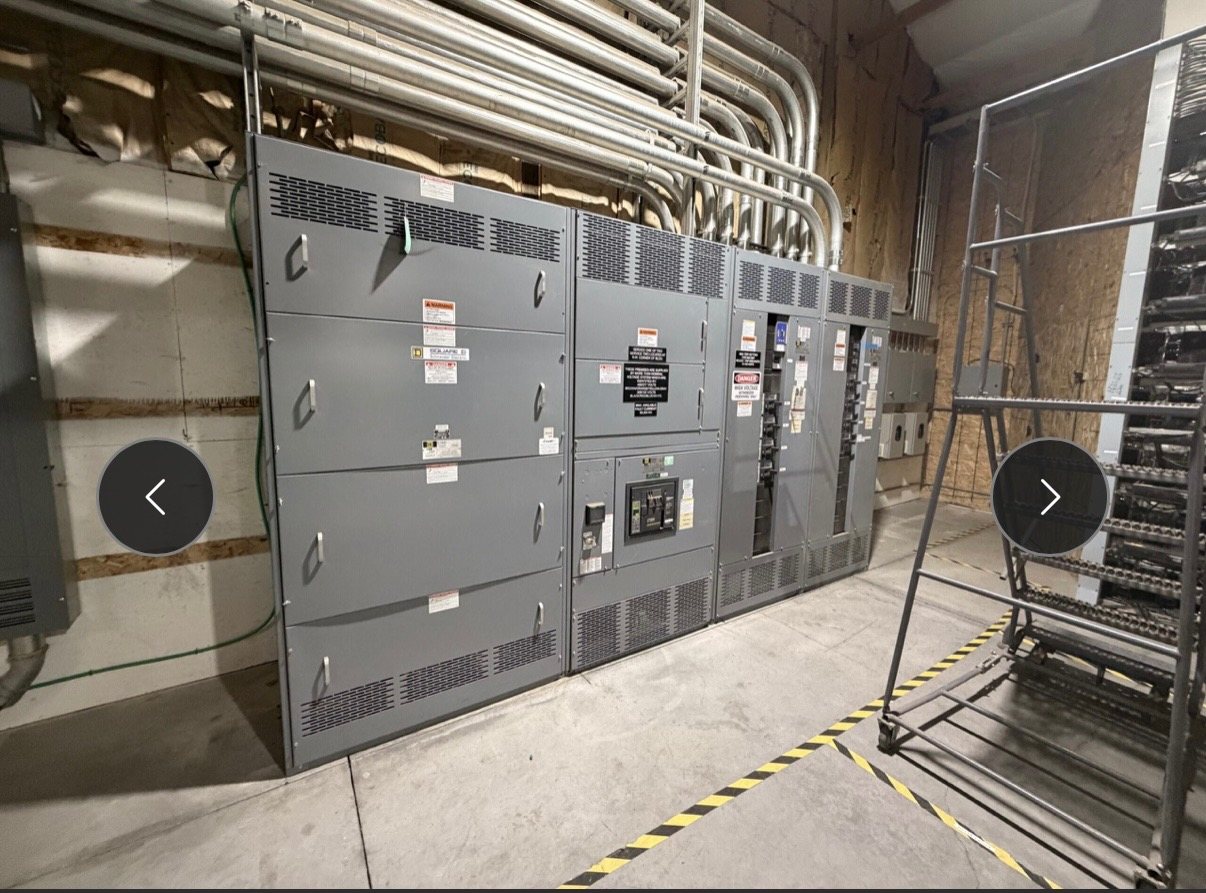
THE DETAILS VOLTAGE & AMP RATINGS
Explore selling surplus electrical equipment marked 15 kV-class in Michigan, with clear identification and offer planning.
What the marking tells you
A Michigan owner can inquire about 15 kV-class electrical distribution equipment whether it is still in place or already in storage. The rating provides one useful clue, but it is only part of the description. The buyer reviews the actual equipment, available information and collection requirements before deciding whether to make an offer.
A 15 kV-class label describes a voltage class; it should not be treated as a statement of the exact operating voltage in every application. The class alone also does not establish current rating, interrupting capability or compatibility. Existing manufacturer records can provide fuller context when they are available.
Details beyond one rating
An existing nameplate or asset record may show additional voltage, current and other markings. Keep the information attached to the particular assembly or device it describes; a neighboring component may carry different ratings. A missing label can be noted as unknown, and no seller measurements or testing are required.
Records do not need to be perfect to start an inquiry. An existing equipment list, a broad description and any safely accessible exterior photos can establish the scope. Note whether the offer concerns a complete assembly, a partial lineup or individual pieces, and avoid attributing an unverified rating to the whole group.
The proposed sale
A mixed lot may contain assets with different voltage and current markings. If the information is already available, identify each item or group separately rather than applying one rating to the whole lot. The buyer reviews the equipment as described, including gaps and any loose components.
The person making the inquiry may be the owner or someone acting on the owner’s behalf. Clarifying who can authorize the sale and who controls site access gives both sides a practical starting point. The details can be worked out during review without asking the seller to arrange a removal crew.
Condition and offer review
Unknown history is not the same as a claim that equipment has failed. Equally, a clean exterior or a complete-looking lineup is not proof that it works. A seller can describe the facts available, note missing components and let the buyer review the equipment without seller-conducted tests.
Reviewing an asset means considering more than the number on a label. The buyer also needs to understand what is included, the known state of the equipment and how it can be released. There is no fixed price or automatic approval for every item; a cash offer may follow the review.
Qualified work and safety
The buyer considers equipment of all voltage classes, including switchgear at decommissioned data centers and shut-down power plants. Once a purchase is agreed, the buyer’s qualified personnel handle the required disconnects, removal, crane and rigging work, loading and hauling. Freight is covered by the buyer; the seller does no testing or physical work.
A photo is optional and should only be taken from a safe, authorized location. Do not manipulate devices or remove covers for a better view. The buyer’s qualified personnel handle necessary disconnects and removal, working with the authorized site contact and the applicable site procedures.
Access and freight
A freight plan considers more than a destination. The buyer may need to coordinate access to the equipment, lifting and a route out of the site. Existing dimensions or site rules are helpful when available. The buyer handles the on-site physical work, loading, hauling and covered freight.
Where assets are released in stages, the owner can describe the planned windows if known. The buyer reviews the schedule and coordinates the necessary work; there is no promise of an immediate visit or a particular collection date before agreement. The seller does not handle the freight.
Request an offer
There is no obligation to sell simply because an owner describes surplus equipment. The buyer reviews the lot and may make a cash offer. If both sides agree on the purchase, the seller receives upfront payment, and the buyer takes care of covered freight.
A first conversation can begin with the equipment type, location and the owner’s intended release. Safely accessible existing photos or records can help but are not a demand to enter an unsafe area. The buyer handles the agreed work, and the seller does not perform testing or physical removal.