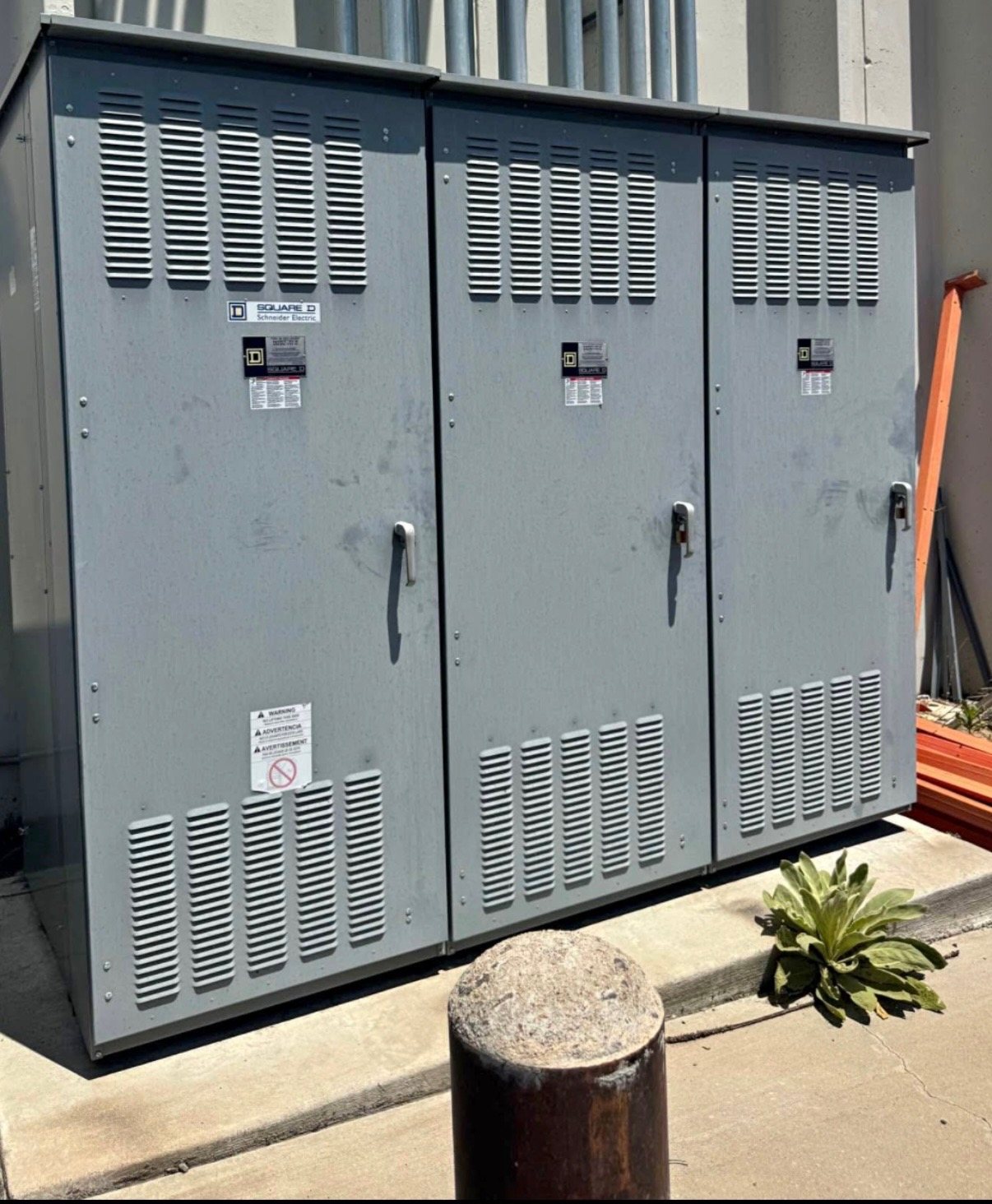
THE DETAILS VOLTAGE & AMP RATINGS
Explore selling surplus electrical equipment marked 2,400-volt in Michigan, with clear identification and offer planning.
What the marking tells you
A Michigan owner can inquire about 2,400-volt electrical distribution equipment whether it is still in place or already in storage. The rating provides one useful clue, but it is only part of the description. The buyer reviews the actual equipment, available information and collection requirements before deciding whether to make an offer.
A 2,400-volt marking identifies voltage information associated with the asset. It does not, by itself, identify the equipment configuration, current rating, interrupting capability or operating condition. Existing nameplate photos and asset records can supply context without asking a seller to approach hazardous equipment or take measurements.
Details beyond one rating
An existing nameplate or asset record may show additional voltage, current and other markings. Keep the information attached to the particular assembly or device it describes; a neighboring component may carry different ratings. A missing label can be noted as unknown, and no seller measurements or testing are required.
A short list can identify individual equipment groups and note which are installed and which are stored, if that information is already known. Existing labels or project records add context. The buyer can ask about gaps; the seller is not expected to make technical determinations or certify the contents.
The proposed sale
A mixed lot may contain assets with different voltage and current markings. If the information is already available, identify each item or group separately rather than applying one rating to the whole lot. The buyer reviews the equipment as described, including gaps and any loose components.
An equipment name tells only part of the story: a sale might involve one assembly, several sections or related loose parts. The owner can describe the intended boundary in ordinary language. The buyer reviews the actual proposed lot and handles the physical work if a purchase is agreed.
Condition and offer review
Be direct about the state of the lot as it is known. An assembly may be used, unused, incomplete, stored or still installed; none of those labels alone proves its present operating condition. Known damage and missing information can be disclosed without arranging a test or making claims beyond the records.
Reviewing an asset means considering more than the number on a label. The buyer also needs to understand what is included, the known state of the equipment and how it can be released. There is no fixed price or automatic approval for every item; a cash offer may follow the review.
Qualified work and safety
All voltage classes are considered, including switchgear from decommissioned data centers and shut-down power plants. On an agreed purchase, qualified buyer personnel perform the needed disconnects, removal, crane and rigging work, loading and hauling. We cover freight; the seller does not test the equipment or perform the physical work.
A seller does not have to prepare equipment electrically or demonstrate that it works. Avoid operating devices, opening covers or entering unsafe areas for photographs. The buyer’s qualified personnel handle the necessary disconnects and removal, coordinating access and the work with the authorized site representative.
Access and freight
Known site restrictions, an approximate release window and existing equipment dimensions help frame the pickup discussion. The buyer reviews the circumstances before the parties agree on a collection plan. On an agreed purchase, the buyer arranges the necessary physical work, loading, hauling and freight.
A property handover, controlled entrance or limited work window may affect the collection plan. Tell the buyer what is already known, and agree the timing before work begins. The buyer handles the physical work and covered freight; the owner does not have to make the shipment ready.
Request an offer
A purchase starts with an inquiry and a review of the actual assets. The buyer may propose a cash offer, which the authorized seller can accept or decline. Once the parties agree, payment is upfront, and the buyer arranges and covers the freight.
A first conversation can begin with the equipment type, location and the owner’s intended release. Safely accessible existing photos or records can help but are not a demand to enter an unsafe area. The buyer handles the agreed work, and the seller does not perform testing or physical removal.