THE DETAILS VOLTAGE & AMP RATINGS
Explore selling surplus electrical equipment marked 1,200-amp in Michigan, with clear identification and offer planning.
What the marking tells you
A Michigan owner can inquire about 1,200-amp electrical distribution equipment whether it is still in place or already in storage. The rating provides one useful clue, but it is only part of the description. The buyer reviews the actual equipment, available information and collection requirements before deciding whether to make an offer.
A 1,200-amp marking describes current, not voltage. Whether it refers to a main assembly, a bus or a particular device depends on the actual label and equipment. Avoid treating that number as a complete technical specification or as evidence of interrupting capability, condition or system compatibility.
Details beyond one rating
An existing nameplate or asset record may show additional voltage, current and other markings. Keep the information attached to the particular assembly or device it describes; a neighboring component may carry different ratings. A missing label can be noted as unknown, and no seller measurements or testing are required.
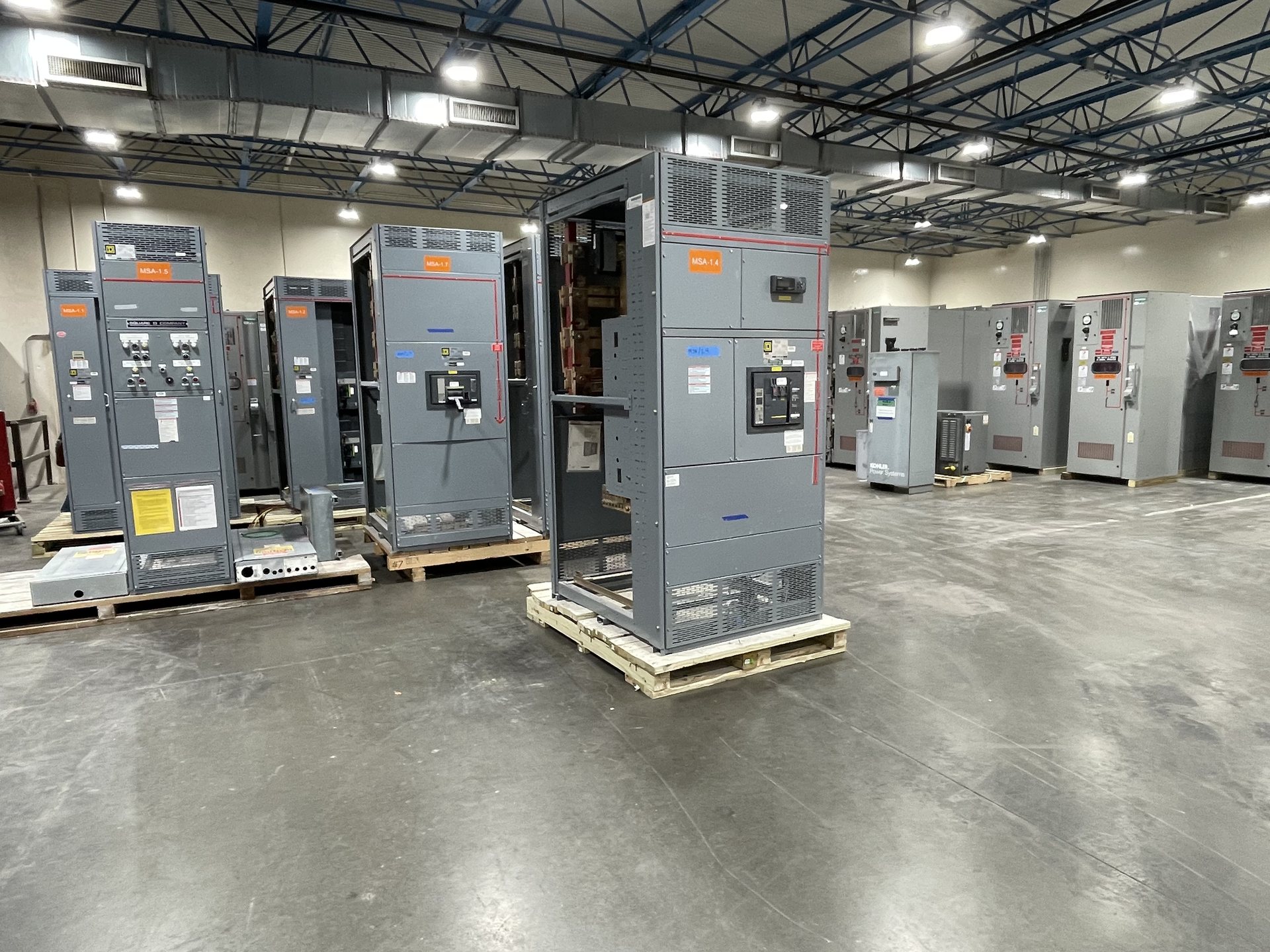
A helpful description can be simple: the type and count of equipment, where it is located, and any manufacturer or rating information already on hand. If there are loose parts, identify them separately where possible. There is no need to create a technical report or guess at missing information before contacting the buyer.
The proposed sale
Equipment with the same headline marking can differ in manufacturer, construction, included components and condition. Describe the actual assets being offered rather than assuming that the rating makes two assemblies equivalent. A buyer can review a mixed or partly documented lot, but any offer depends on the details available.
Equipment can become surplus for many reasons, including a change in operations, a replacement project or a decision to clear storage. The reason helps explain when it may be released, but it does not establish condition. The buyer reviews the actual assets and their availability rather than assuming a project is complete.
Condition and offer review
Be direct about the state of the lot as it is known. An assembly may be used, unused, incomplete, stored or still installed; none of those labels alone proves its present operating condition. Known damage and missing information can be disclosed without arranging a test or making claims beyond the records.
A proposed cash offer reflects a review of the assets and transaction details rather than a fixed price based on a label. The contents, available records, known condition, release schedule and site access can matter. The buyer may accept or decline an opportunity; any agreement is made with the authorized seller.
Qualified work and safety
Equipment of all voltage classes, from lower to higher voltage, is within our buying scope. We also buy switchgear from shut-down power plants and decommissioned data centers. After a purchase is agreed, our qualified personnel handle necessary disconnects, removal, crane work, rigging, loading, hauling and covered freight, with no seller testing or physical labor.
No seller testing is needed, and an inquiry is not a request to make equipment safe by yourself. Do not open equipment or go near an unsafe installation to obtain a label. The buyer uses qualified personnel for the necessary electrical and physical work, coordinated with the appropriate site contact.
Access and freight
For a collection plan, the buyer considers the equipment’s location, size and any known site restrictions. If several rooms or release dates are involved, those can be discussed as part of the proposed purchase. The buyer’s qualified personnel perform the on-site work and arrange the covered freight.
The owner may have a deadline for clearing a space or completing a property handover. The buyer can consider that information during review, along with any access rules. Timing is agreed rather than presumed, and the buyer handles collection and covered freight for the purchased assets.
Request an offer
After reviewing the equipment and the practical details, the buyer may make a cash offer. Whether the transaction proceeds depends on the review and agreement with the authorized seller. An agreed purchase is paid upfront, with the buyer covering freight and handling collection.
A useful first message need not be polished: identify the general equipment, where it is and whether it is still installed, if known. Mention any release date already established. The buyer can review missing details without requiring the seller to test the equipment, arrange labor or organize freight.