THE DETAILS VOLTAGE & AMP RATINGS
Explore selling surplus electrical equipment marked 277/480-volt in Michigan, with clear identification and offer planning.
What the marking tells you
A Michigan owner can inquire about 277/480-volt electrical distribution equipment whether it is still in place or already in storage. The rating provides one useful clue, but it is only part of the description. The buyer reviews the actual equipment, available information and collection requirements before deciding whether to make an offer.
A 277/480-volt marking is a voltage description. On a suitably marked three-phase, four-wire system it commonly refers to 277 volts line-to-neutral and 480 volts line-to-line. A sale description should preserve the actual marking rather than infer phase, current rating, interrupting rating or compatibility from those two numbers alone.
Details beyond one rating
An existing nameplate or asset record may show additional voltage, current and other markings. Keep the information attached to the particular assembly or device it describes; a neighboring component may carry different ratings. A missing label can be noted as unknown, and no seller measurements or testing are required.
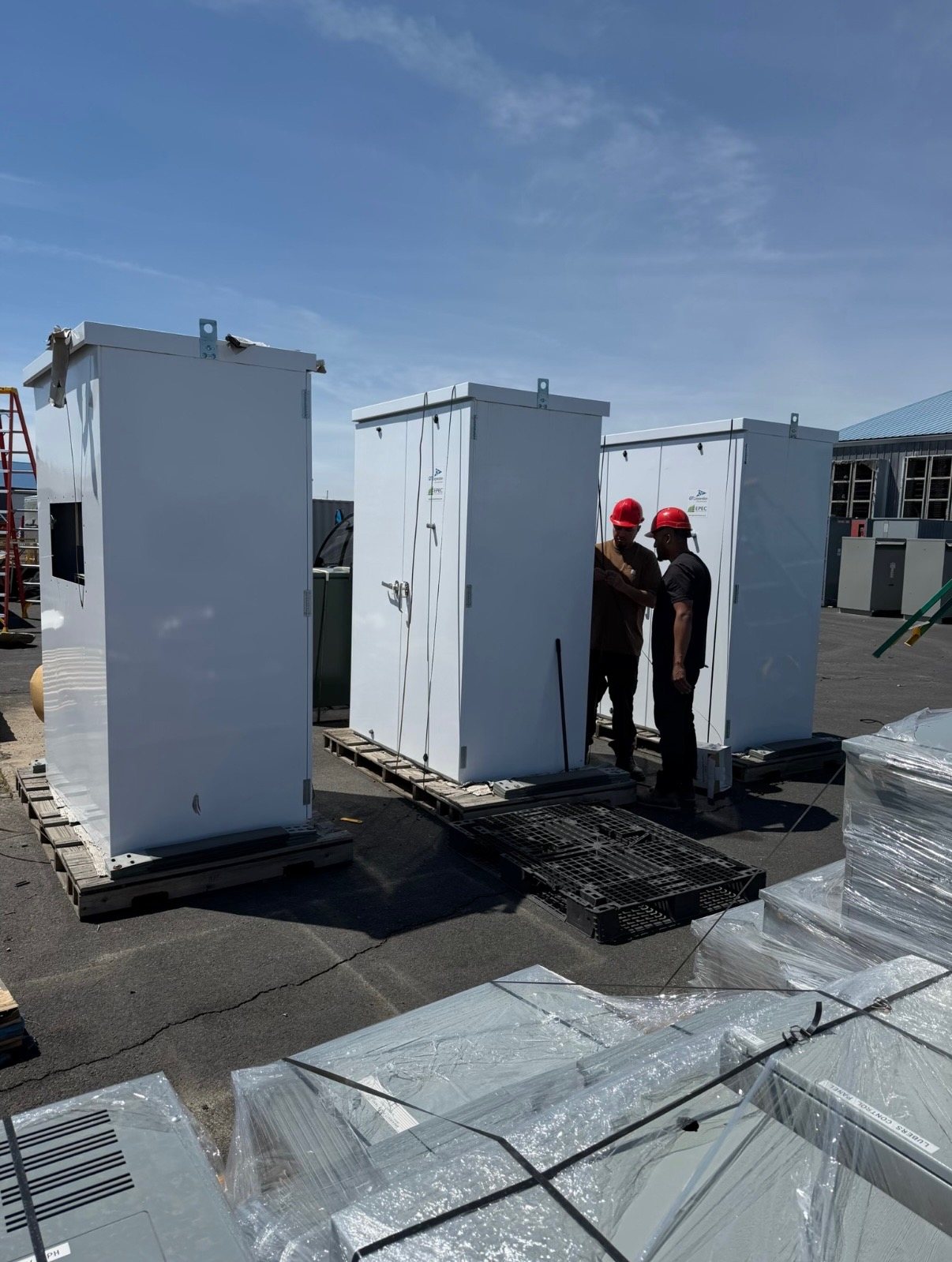
Inventory information can be approximate at the first conversation. For example, an owner may know the number of lineups but not every component inside them. Describe the scope honestly and share existing exterior photographs when safe to do so. The buyer reviews unknowns rather than requiring seller testing.
The proposed sale
Equipment with the same headline marking can differ in manufacturer, construction, included components and condition. Describe the actual assets being offered rather than assuming that the rating makes two assemblies equivalent. A buyer can review a mixed or partly documented lot, but any offer depends on the details available.
An equipment name tells only part of the story: a sale might involve one assembly, several sections or related loose parts. The owner can describe the intended boundary in ordinary language. The buyer reviews the actual proposed lot and handles the physical work if a purchase is agreed.
Condition and offer review
If the history is incomplete, say so. The buyer can review an item identified as untested or a lineup with missing information, taking that uncertainty into account. Information about visible damage or missing components is helpful when already known, but the owner is not asked to perform a technical inspection.
A proposed cash offer reflects a review of the assets and transaction details rather than a fixed price based on a label. The contents, available records, known condition, release schedule and site access can matter. The buyer may accept or decline an opportunity; any agreement is made with the authorized seller.
Qualified work and safety
We buy electrical equipment across all voltage classes, including switchgear from decommissioned data centers and shut-down power plants. For an agreed purchase, we handle necessary disconnects, removal, crane and rigging work, loading, hauling and freight with qualified personnel. The seller does no testing or physical work and does not arrange or pay for freight.
A photo is optional and should only be taken from a safe, authorized location. Do not manipulate devices or remove covers for a better view. The buyer’s qualified personnel handle necessary disconnects and removal, working with the authorized site contact and the applicable site procedures.
Access and freight
A useful handover discussion covers where the assets are, who can grant access and when they can be released. Existing dimensions and known obstacles can also inform the plan. The buyer handles any required crane work, rigging, loading and hauling rather than assigning those jobs to the seller.
Different pieces may be available at different times. A known sequence or release window can be discussed before the purchase is agreed, even if some details remain unsettled. Qualified buyer personnel handle the actual physical work; the seller is not asked to stage or ship the equipment.
Request an offer
Start with the information at hand and the proposed release. The buyer reviews the assets and may present a cash offer; an offer and acceptance depend on the equipment and transaction details. Once a purchase is agreed, payment is upfront, and freight is covered by the buyer.
When you are ready, share what is available and any records you already have. If a rating or condition is uncertain, simply say so. The buyer reviews the opportunity and, if a purchase is agreed, pays upfront and handles the qualified removal work and freight.