THE DETAILS VOLTAGE & AMP RATINGS
Explore selling surplus electrical equipment marked 400-amp in Michigan, with clear identification and offer planning.
What the marking tells you
A Michigan owner can inquire about 400-amp electrical distribution equipment whether it is still in place or already in storage. The rating provides one useful clue, but it is only part of the description. The buyer reviews the actual equipment, available information and collection requirements before deciding whether to make an offer.
A 400-amp marking is a current rating, not a voltage rating. It may describe an assembly or an individual device, so it is important to retain the context shown in existing records. The number alone does not establish voltage, interrupting rating, condition or suitability for a different installation.
Details beyond one rating
An existing nameplate or asset record may show additional voltage, current and other markings. Keep the information attached to the particular assembly or device it describes; a neighboring component may carry different ratings. A missing label can be noted as unknown, and no seller measurements or testing are required.
Records gathered for ordinary asset management may be enough for an initial review. A description of the type, count and location, plus any known model or rating, helps define the lot. A missing document or unreadable marking can be identified as such without opening or operating equipment.
The proposed sale
A mixed lot may contain assets with different voltage and current markings. If the information is already available, identify each item or group separately rather than applying one rating to the whole lot. The buyer reviews the equipment as described, including gaps and any loose components.
Existing project records may show items that must stay on site alongside items that can be sold. If so, distinguish the proposed sale from retained property and note where ownership is uncertain. The buyer can review the authorized assets without treating a broad project description as a complete inventory.
Condition and offer review
If the history is incomplete, say so. The buyer can review an item identified as untested or a lineup with missing information, taking that uncertainty into account. Information about visible damage or missing components is helpful when already known, but the owner is not asked to perform a technical inspection.
A proposed cash offer reflects a review of the assets and transaction details rather than a fixed price based on a label. The contents, available records, known condition, release schedule and site access can matter. The buyer may accept or decline an opportunity; any agreement is made with the authorized seller.
Qualified work and safety
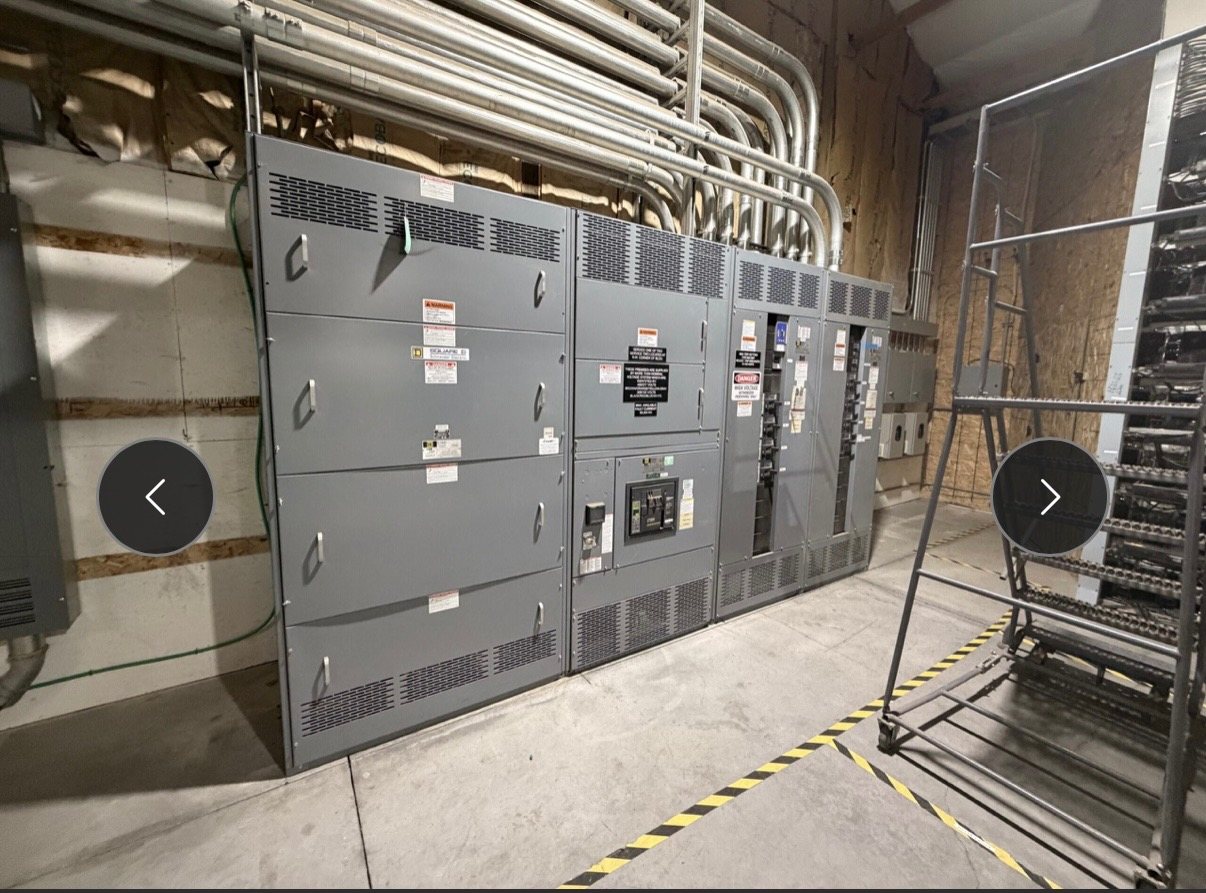
We buy electrical distribution equipment of all voltage classes, and we buy switchgear from decommissioned data centers and shut-down power plants. For an agreed purchase, our qualified personnel handle necessary disconnects, removal, crane work, rigging, loading and hauling. The buyer covers freight, and the seller does no testing or physical work.
Leave electrical operations and removal to qualified personnel working for the buyer. The owner does not need to energize, test, disconnect or open equipment for an offer. If an identifying detail cannot be obtained safely, it can be reported as unknown rather than investigated.
Access and freight
If known, the equipment location, access windows, approximate size and building restrictions can help the buyer plan the work. Large or awkward pieces may need special lifting or a coordinated route. The buyer arranges qualified crews and equipment, including cranes and rigging where needed, and handles loading and hauling.
A property handover, controlled entrance or limited work window may affect the collection plan. Tell the buyer what is already known, and agree the timing before work begins. The buyer handles the physical work and covered freight; the owner does not have to make the shipment ready.
Request an offer
An inquiry is a request for review, not an automatic purchase. The buyer considers the available information and may make a cash offer, with the details agreed by the authorized seller. On an agreed purchase, payment is upfront; the buyer covers freight and handles the necessary physical work.
Tell the buyer what equipment may be available and share any existing records that help define the lot. If the details or condition are uncertain, say so rather than investigating unsafe equipment. The seller does not test or handle removal; after the purchase is agreed, payment is upfront.