THE DETAILS VOLTAGE & AMP RATINGS
Explore selling surplus electrical equipment marked 5 kV-class in Michigan, with clear identification and offer planning.
What the marking tells you
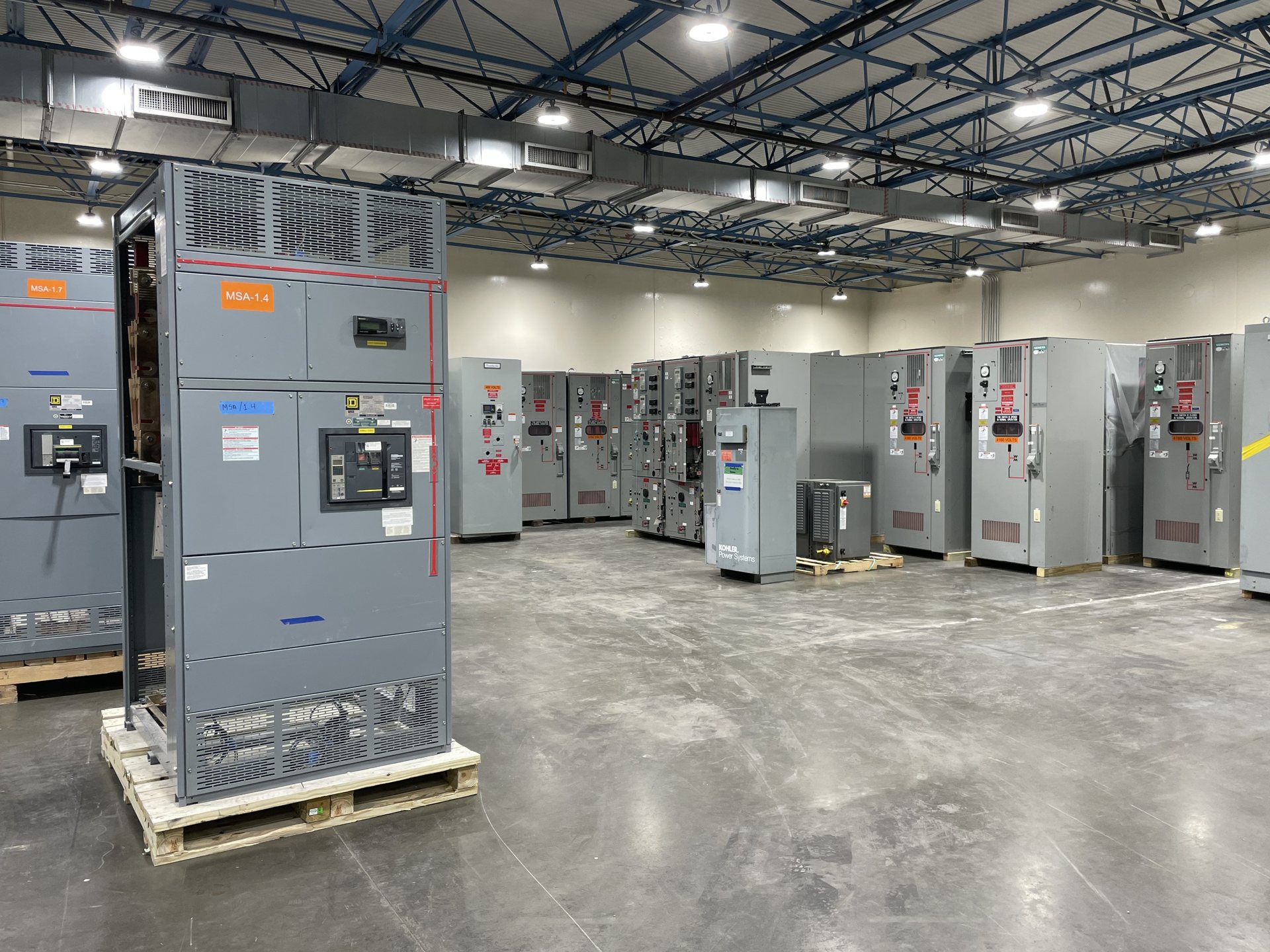
A Michigan owner can inquire about 5 kV-class electrical distribution equipment whether it is still in place or already in storage. The rating provides one useful clue, but it is only part of the description. The buyer reviews the actual equipment, available information and collection requirements before deciding whether to make an offer.
A 5 kV-class label describes a voltage class, not necessarily the exact operating voltage of a particular system. Complete nameplate information matters because voltage class alone does not establish current rating, interrupting capability or condition. Existing records can be shared as available; unknown details should not be guessed.
Details beyond one rating
An existing nameplate or asset record may show additional voltage, current and other markings. Keep the information attached to the particular assembly or device it describes; a neighboring component may carry different ratings. A missing label can be noted as unknown, and no seller measurements or testing are required.
Start with information the owner already has: an asset description, approximate quantity, location and any available identifying marks. Older records may be incomplete, so identify uncertainties instead of filling them with assumptions. The buyer can ask follow-up questions while reviewing the proposed purchase; the seller does not have to undertake technical work.
The proposed sale
The rating does not determine when an asset becomes available or how it can be moved. Existing project records may identify the release date, ownership and access restrictions for each assembly. The buyer coordinates necessary disconnects and removal through qualified personnel after the parties agree on the purchase.
When several groups are involved in a project, a clear contact for the proposed sale can make the handover easier to discuss. The buyer coordinates its own qualified personnel and physical work with the authorized site representative. The seller is not responsible for disconnecting or transporting the equipment.
Condition and offer review
A box labeled as a spare may have spent years in storage, and an installed unit may have an incomplete service history. Neither example proves an operating condition. Share what is already known about use, storage or visible damage so the buyer can evaluate the uncertainty as part of the offer review.
Two lots with the same equipment type can present different purchase considerations because their contents and site conditions differ. The buyer reviews known condition, documentation, quantity and the practical removal requirements. An offer is subject to that review, and the owner chooses whether to accept the terms proposed.
Qualified work and safety
We buy electrical distribution equipment of all voltage classes, and we buy switchgear from decommissioned data centers and shut-down power plants. For an agreed purchase, our qualified personnel handle necessary disconnects, removal, crane work, rigging, loading and hauling. The buyer covers freight, and the seller does no testing or physical work.
Electrical equipment can present serious hazards even when it appears inactive. Do not operate devices, open enclosures or approach an unsafe area to prepare an inquiry. The buyer’s qualified personnel handle necessary electrical and removal work in coordination with the authorized site representative and applicable site procedures.
Access and freight
A useful handover discussion covers where the assets are, who can grant access and when they can be released. Existing dimensions and known obstacles can also inform the plan. The buyer handles any required crane work, rigging, loading and hauling rather than assigning those jobs to the seller.
Where assets are released in stages, the owner can describe the planned windows if known. The buyer reviews the schedule and coordinates the necessary work; there is no promise of an immediate visit or a particular collection date before agreement. The seller does not handle the freight.
Request an offer
The process is straightforward: share the available description, let the buyer review the equipment and site details, and consider any cash offer made. Offers are subject to review and the parties’ agreement; not every item is necessarily purchased. For an accepted purchase, payment is upfront, and the buyer covers freight.
Tell the buyer what equipment may be available and share any existing records that help define the lot. If the details or condition are uncertain, say so rather than investigating unsafe equipment. The seller does not test or handle removal; after the purchase is agreed, payment is upfront.