THE DETAILS EQUIPMENT
Sell switchboard in Michigan. Review plant upgrade surplus considerations, documentation, cash offers and freight coordination.
Understanding the asset
An owner considering selling switchboards in Michigan can start with a description of the actual assets and the proposed release. The equipment may be installed, in storage or part of a mixed lot. The buyer reviews what is offered rather than assuming that similarly named items are alike.
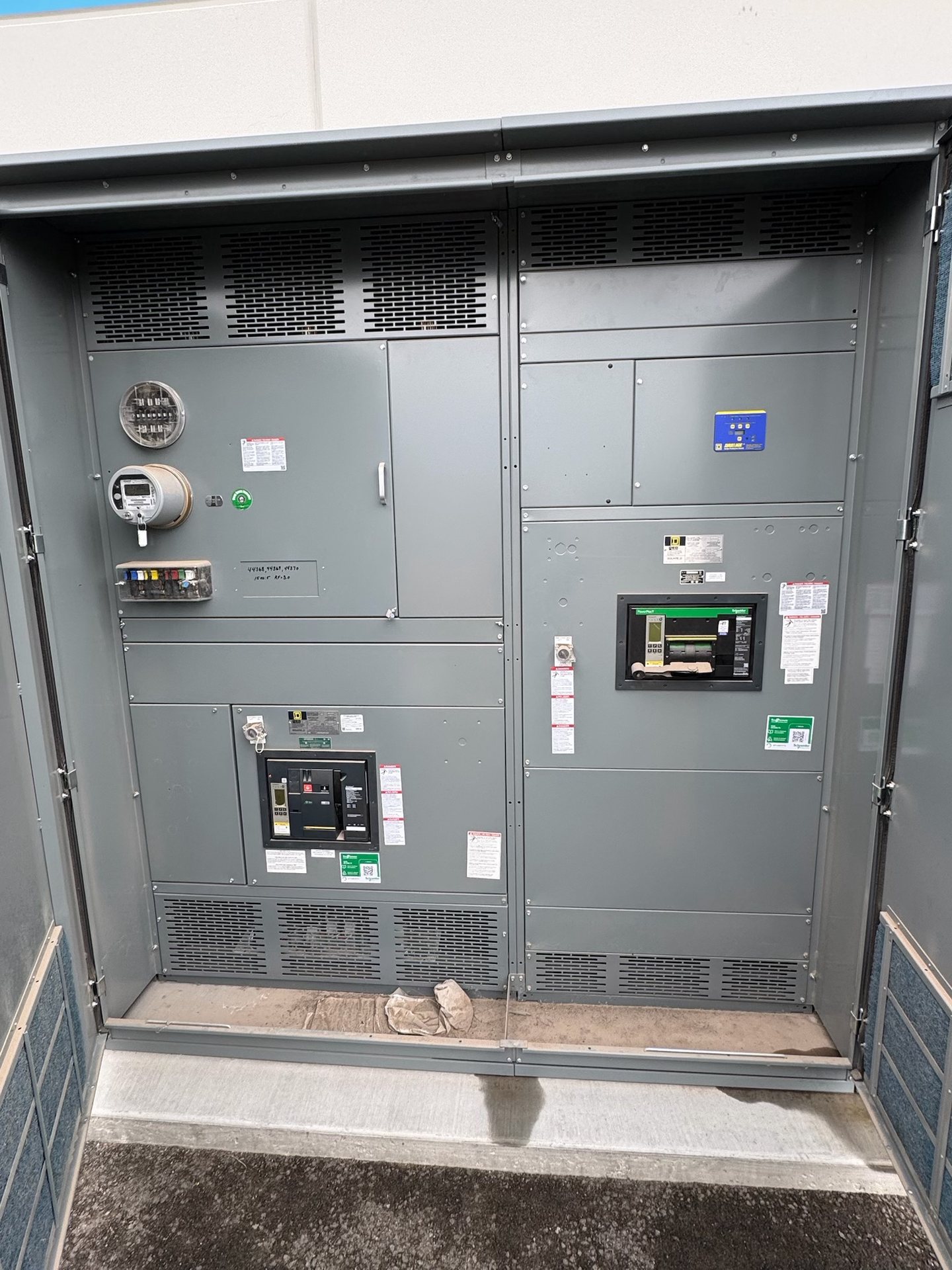
A switchboard brings distribution and protective devices together in an assembly that may be made up of several sections. An owner can describe the whole lineup or a partial group of sections. That distinction matters because the buyer needs to understand what is actually being offered, rather than infer completeness from a single exterior view.
The situation behind the sale
An upgrade does not necessarily release every old asset at once. Some equipment may remain in place while other sections become available. If a project has a staged schedule, share what is known so the buyer can review the intended equipment and discuss the timing of the work.
When several groups are involved in a project, a clear contact for the proposed sale can make the handover easier to discuss. The buyer coordinates its own qualified personnel and physical work with the authorized site representative. The seller is not responsible for disconnecting or transporting the equipment.
Details that identify the lot
Useful existing switchboard details include the manufacturer, visible ratings, section count and any information about main and feeder devices. If known, explain whether the assembly remains installed or was previously removed. A partial lineup can be described honestly, with missing or uncertain components noted rather than guessed.
A short list can identify individual equipment groups and note which are installed and which are stored, if that information is already known. Existing labels or project records add context. The buyer can ask about gaps; the seller is not expected to make technical determinations or certify the contents.
Condition and purchase review
The buyer can review equipment without a seller’s certificate of operation. Useful context may include known damage, whether the item was used or stored, and any missing parts. Do not guess at details that are unavailable: an accurate statement that condition is unknown is more useful than an unsupported assurance.
Two lots with the same equipment type can present different purchase considerations because their contents and site conditions differ. The buyer reviews known condition, documentation, quantity and the practical removal requirements. An offer is subject to that review, and the owner chooses whether to accept the terms proposed.
What the buyer handles
The buyer considers equipment of all voltage classes, including switchgear at decommissioned data centers and shut-down power plants. Once a purchase is agreed, the buyer’s qualified personnel handle the required disconnects, removal, crane and rigging work, loading and hauling. Freight is covered by the buyer; the seller does no testing or physical work.
The seller is not asked to prove the equipment works or prepare it for removal. Do not open an enclosure, touch electrical parts or enter an unsafe area to identify it. The buyer uses qualified personnel to coordinate and perform the necessary electrical work and physical removal.
Planning access and freight
Access and timing are practical parts of a review, whether equipment sits in a warehouse or remains installed at a facility. Existing information about location and release windows is useful; exact measurements are not a prerequisite for an initial inquiry. The buyer coordinates the lifting, loading, hauling and freight.
If equipment ownership or access is controlled by more than one party, identify the authorized contact for the proposed sale. The buyer can then discuss the practical handover and coordinate its personnel. Identifying a contact is not a requirement for the seller to disconnect, load or transport the equipment.
From inquiry to payment
A purchase starts with an inquiry and a review of the actual assets. The buyer may propose a cash offer, which the authorized seller can accept or decline. Once the parties agree, payment is upfront, and the buyer arranges and covers the freight.
A useful first message need not be polished: identify the general equipment, where it is and whether it is still installed, if known. Mention any release date already established. The buyer can review missing details without requiring the seller to test the equipment, arrange labor or organize freight.