THE DETAILS EQUIPMENT
Sell switchgear in Michigan. Review nameplates and identification considerations, documentation, cash offers and freight coordination.
Understanding the asset
An owner considering selling switchgear in Michigan can start with a description of the actual assets and the proposed release. The equipment may be installed, in storage or part of a mixed lot. The buyer reviews what is offered rather than assuming that similarly named items are alike.
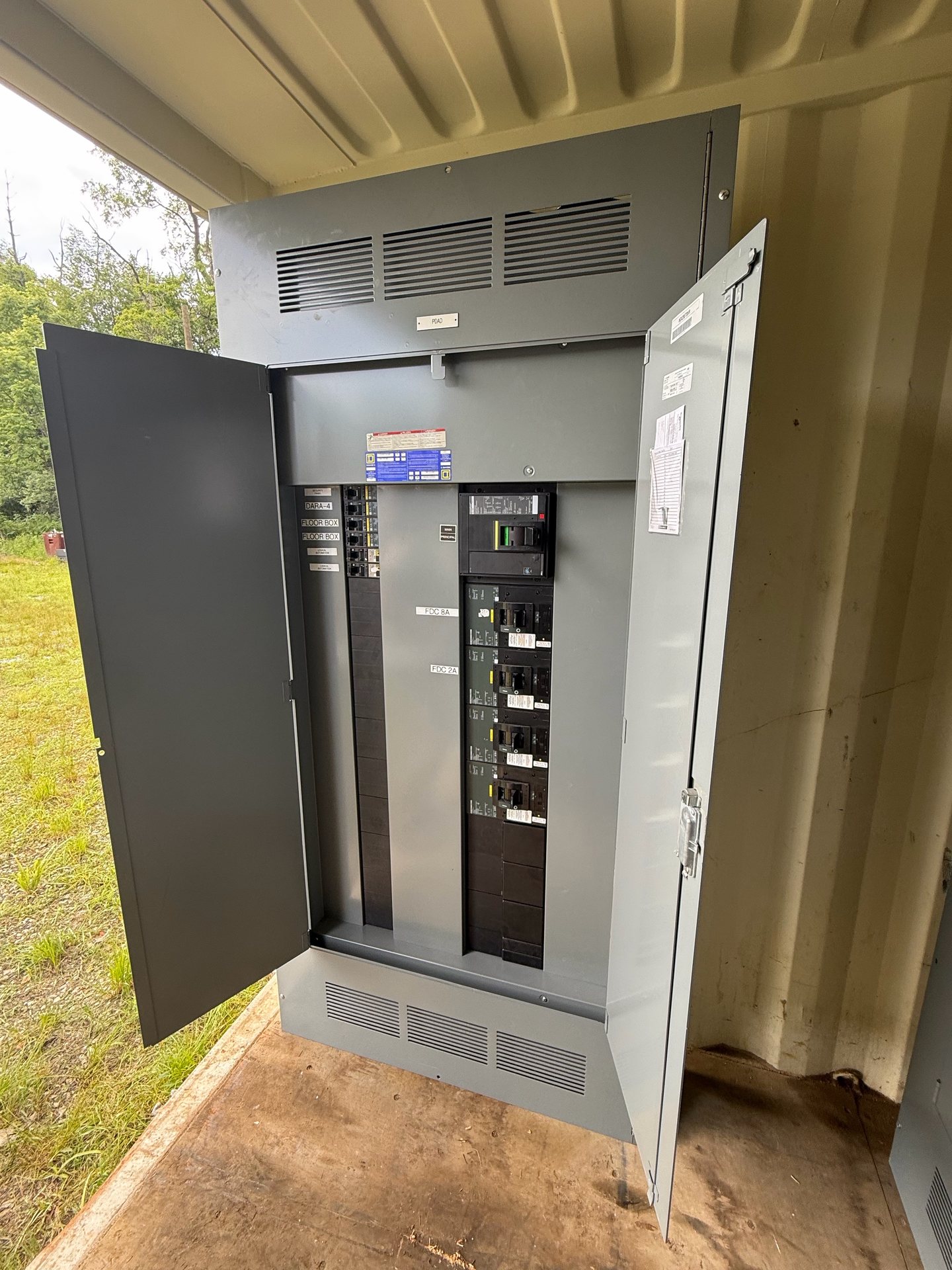
Switchgear is an assembly used to control, protect and isolate parts of an electrical system. A proposed sale might cover a connected lineup, individual sections, or equipment already in storage; those are different descriptions. An existing or safely accessible exterior photo can help establish what is included without suggesting that its operating condition is known.
The situation behind the sale
A nameplate can contain a manufacturer, model and electrical ratings, but the exact information varies by item. Existing photos of safely accessible exterior labels are useful; an unknown or missing label can be reported as such. Never remove a cover or approach an unsafe area just to collect a detail.
When several groups are involved in a project, a clear contact for the proposed sale can make the handover easier to discuss. The buyer coordinates its own qualified personnel and physical work with the authorized site representative. The seller is not responsible for disconnecting or transporting the equipment.
Details that identify the lot
For a switchgear lineup, existing records may show the manufacturer, voltage, current rating, number of sections and major devices. Note whether loose breakers, control components and documentation belong with the lineup. Separate items can be identified separately; do not assume that equipment sitting nearby is included in the sale.
Records gathered for ordinary asset management may be enough for an initial review. A description of the type, count and location, plus any known model or rating, helps define the lot. A missing document or unreadable marking can be identified as such without opening or operating equipment.
Condition and purchase review
A box labeled as a spare may have spent years in storage, and an installed unit may have an incomplete service history. Neither example proves an operating condition. Share what is already known about use, storage or visible damage so the buyer can evaluate the uncertainty as part of the offer review.
A complete description helps the buyer assess the scope, but it does not guarantee an offer or a particular price. Quantity, components, access, timing and uncertainty can all matter. The seller can consider any cash offer without an obligation to accept it merely because an inquiry was submitted.
What the buyer handles
All voltage classes are within the buying scope, including switchgear from shut-down power plants and decommissioned data centers. After an agreement, the buyer’s qualified personnel handle necessary disconnects, removal, crane work, rigging, loading, freight and hauling. The buyer covers freight; the seller does no testing or physical removal work.
A photo is optional and should only be taken from a safe, authorized location. Do not manipulate devices or remove covers for a better view. The buyer’s qualified personnel handle necessary disconnects and removal, working with the authorized site contact and the applicable site procedures.
Planning access and freight
For a large or awkward assembly, collection planning may involve lifting equipment and space to maneuver. A seller can mention known access restrictions without finding a carrier or arranging a crane. The buyer handles required rigging, loading and hauling with qualified personnel and covers freight.
If equipment ownership or access is controlled by more than one party, identify the authorized contact for the proposed sale. The buyer can then discuss the practical handover and coordinate its personnel. Identifying a contact is not a requirement for the seller to disconnect, load or transport the equipment.
From inquiry to payment
Send an inquiry with whatever description is readily available. After review, the buyer may make a cash offer for the proposed assets. If the purchase is agreed, payment is upfront, while the buyer handles necessary work and covers freight. A review does not commit either party to a sale.
Tell the buyer what equipment may be available and share any existing records that help define the lot. If the details or condition are uncertain, say so rather than investigating unsafe equipment. The seller does not test or handle removal; after the purchase is agreed, payment is upfront.